Russia19 January, 20262 min read
Trump Invites Putin To Join Board Of Peace To Oversee Gaza Governance And Reconstruction
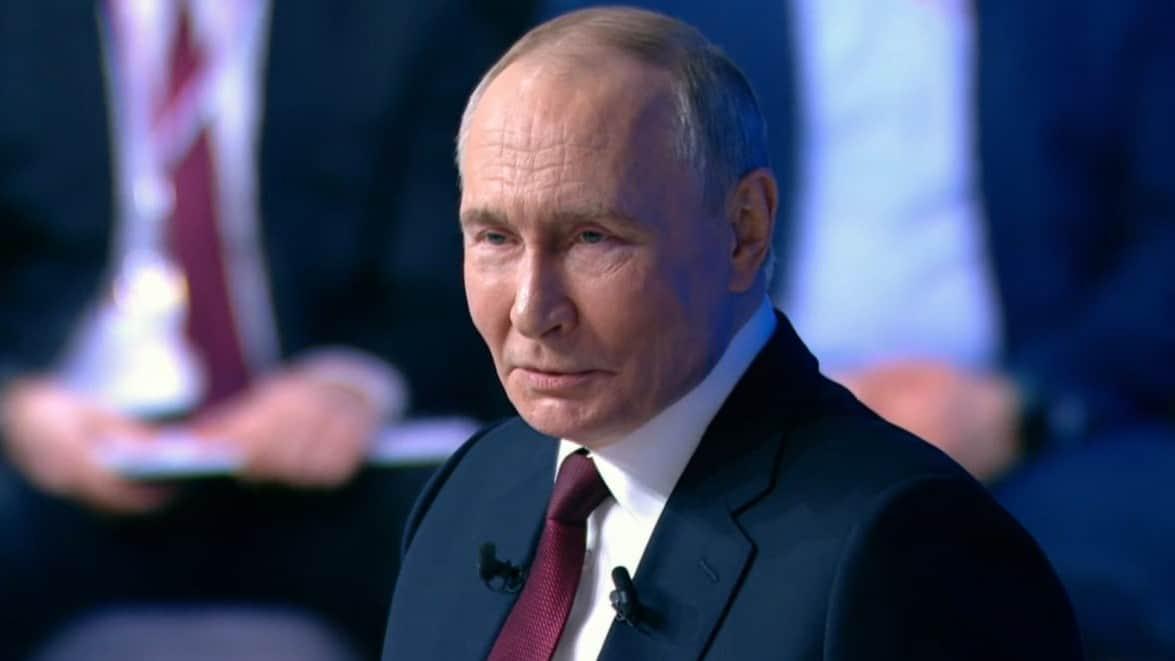
U.S. proposed an international body to oversee Gaza's governance, reconstruction, security and disarmament. Russia’s Vladimir Putin received and is reviewing an invitation to join the U.S. initiative.
63 outlets told this the same way.
The Jerusalem Post was read line by line by the Watchdog: 8.2. See the score →
Gaza Board Invitation
Several outlets report that U.S. President Donald Trump invited Russian President Vladimir Putin to join a proposed international "Board of Peace" to oversee Gaza's ceasefire transition, governance, and reconstruction.
“The Kremlin said Monday that Russian President Vladimir Putin has been invited to join U.S. President Donald Trump’s ‘Board of Peace,’ a high-profile initiative to address global conflicts and help oversee governance and reconstruction in Gaza.”
Coverage says the Kremlin confirmed receipt of the invitation and is studying the proposal, framing the move as part of a White House effort to assemble a multinational governance structure for Gaza.

Multiple reports described the announcement as high-profile and explicitly linked it to Gaza reconstruction and postwar governance.
Draft board charter rules
Reporting across multiple outlets describes draft charter provisions and governance rules for the Board. Several sources say the draft links permanent membership to large financial contributions, commonly reported as a $1 billion threshold. The draft also sets three-year terms for members unless the payment clause is triggered.
It has been described as giving the inaugural chair, reported as Trump, unusually broad powers over membership and approvals. The charter was circulated to dozens of foreign ministries as an initial proposal.

International and Israeli reactions
Reactions among governments and political figures were mixed and, in some cases, sharply critical. Israeli officials publicly protested that the plan was not coordinated with Jerusalem. Domestic politicians, including far-right Finance Minister Bezalel Smotrich, urged cancellation or a return to military options.
“Israel formally protested the uncoordinated list as contrary to its policy.”
Several countries have accepted in principle or said they are reviewing invitations, with reports citing Hungary and Vietnam as acceptances. Other countries, including France, have declined or expressed concern about the proposal's scope and its multilateral implications.
Gaza governance plan
Reports describe the Board's intended Gaza-related architecture: a Gaza Executive Board, a National Committee of Palestinian technocrats to run day-to-day administration, and an International Stabilisation Force to provide security and disarm Hamas. Named or reported figures associated with various elements include Ali Shaath, who is reported to head the Palestinian technocratic committee, and Turkey's Hakan Fidan and Qatari officials on an executive Gaza board. Broader lists or executive committees have also included international figures such as Marco Rubio, Tony Blair, Jared Kushner, Steve Witkoff, and World Bank president Ajay Banga.
Media debate on Board plan
Sources differ sharply in tone and interpretation about the plan's implications. Some outlets present the Board as a pragmatic mechanism to mobilize reconstruction and provide governance (Fortune, Associated Press), while others emphasize democratic, legal, and multilateral concerns, calling out risks of 'pay-to-play', concentration of authority in the chair, bypassing the U.N., or the political symbolism of inviting a figure like Putin. The reporting mix shows both descriptive coverage of the draft rules and active critique, with outlets varying by regional perspective and editorial stance.
“The White House is creating a U.S.-led international board, dubbed a ‘Board of Peace,’ to oversee major Gaza-related steps — including forming a Palestinian committee for Gaza, coordinating reconstruction, disarming Hamas and possibly deploying an international security force.”