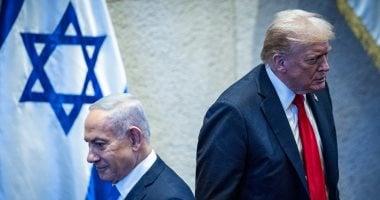
Trump, Iran Sign MOU To Reopen Strait of Hormuz, End Blockade and Sanctions
Key Takeaways
- An MOU commits to ending hostilities and reopening the Strait of Hormuz.
- Reactions are polarized: some praise peaceful resolution, others label capitulation.
- Israel-US tensions rise as Netanyahu allies denounce the deal.
Deal signed, war paused
A memorandum of understanding between the United States and Iran was signed to end hostilities for the time being, with the framework calling for Iran to reopen the Strait of Hormuz and for the United States to end its blockade of Iran, end sanctions, and help facilitate its reconstruction.
“Analysis: Trump and Netanyahu Wanted to Redesign the Middle East, and Now They Face a Protracted Crisis - Author: Jeremy Bowen - Role: International Affairs Editor - Published - Reading time: 6 minutes Both Donald Trump and Benjamin Netanyahu believed that achieving victory over Iran would reshape the Middle East”
The Guardian reported that the MOU would “immediately reopen of the strait of Hormuz,” while Reuters and other reporting in the same coverage described the next phase as “the next 60 days of negotiations between Iran and the US,” with talks over Iran’s nuclear program and its stock of highly enriched uranium.
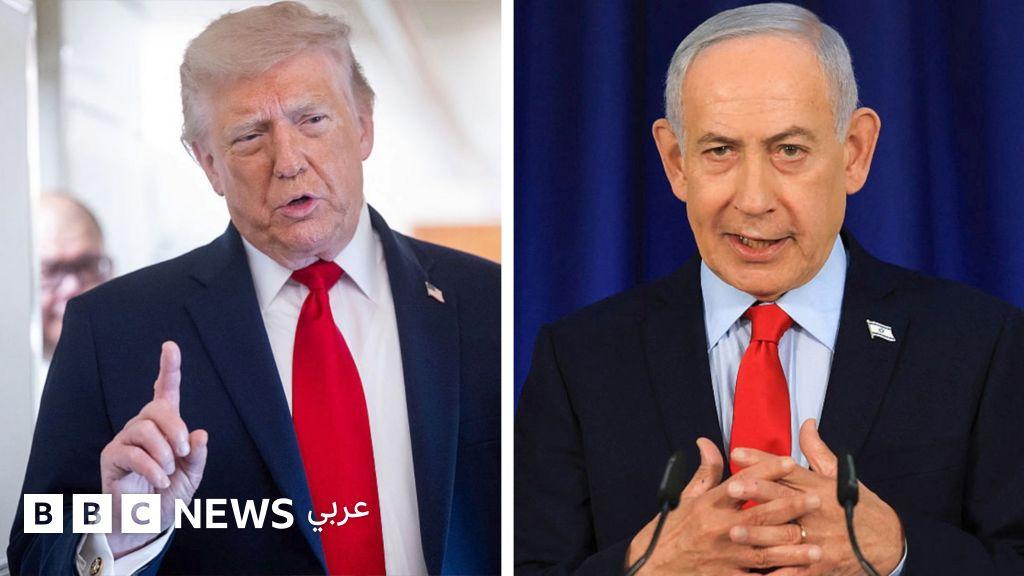
In Israel, Mark Regev, a former senior adviser to prime minister Benjamin Netanyahu, said the agreement left America having “given Iran’s regime a return to life,” while Yair Lapid, leader of Israel’s opposition, said, “Netanyahu promised us a historic victory – and we got a crisis with the Americans, Hormuz open to the Iranians, money for the Revolutionary Guards, ballistic missiles aimed at Israel, and Israel waiting in the corridor like a scolded child.”
The New Yorker described the deal as an exchange in which “in exchange for Iran opening the Strait of Hormuz—which was open before the war began—and agreeing not to develop nuclear weapons,” the United States would end its blockade and sanctions and help facilitate reconstruction.
In the BBC’s Jeremy Bowen analysis, the danger was framed as a “long-lasting, attritional crisis that could swing between engagement and open conflict,” after the Strait of Hormuz had been “completely shut since February.”
Israel and US split
As the MOU moved forward, Israel’s internal debate sharpened, with the Times of Israel reporting that Trump suggested Netanyahu was less justified in criticizing the memorandum because Netanyahu “purportedly pulled out of a joint operation to kill top Iranian general Qassem Soleimani in 2020.”
At the G7 summit, Trump said, “Bibi is a good man. He gets a little excited sometimes. But we have an amazing partnership. We are the big partner, and he is the very small partner,” while also warning, “We have a little dispute over Lebanon.”
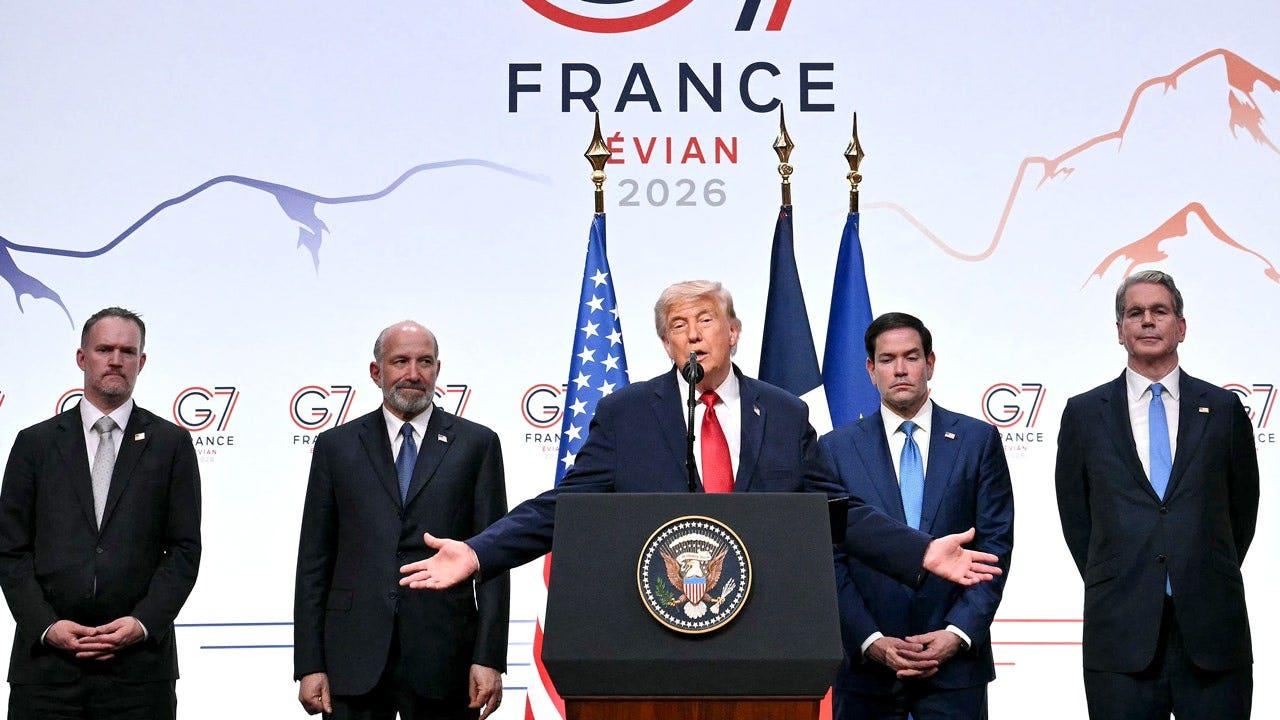
The Times of Israel also reported that Israel fumed at the MOU for extending the US-Iran ceasefire to Lebanon, and it quoted a senior US official who declined to answer directly when asked whether Israel would have to withdraw from the buffer zone in southern Lebanon.
In the BBC’s account of the wider crisis, Jeremy Bowen wrote that “The Islamic Republic has not been defeated,” and that the “danger now is a long-lasting, attritional crisis,” even as Trump gambled on reopening Hormuz and longer-range talks.
Meanwhile, News18 described Netanyahu as isolated internationally in his belief that the war should have continued and called the agreement a “strategic and political disaster,” while also quoting a Channel 14 prime-time host who called Vice President JD Vance a “sc***ag.”
Lebanon is the flashpoint
Lebanon emerged as the most immediate implementation problem in the sources, with India Today saying the memorandum calls for “the immediate and permanent termination of military operations on all fronts, including in Lebanon,” while also leaving “major questions unanswered” about how any ceasefire would work on the ground.
India Today reported that Israel is not a signatory to the agreement and that “Israel is not a signatory to the agreement,” with the deal signed by the United States and Iran rather than Israel and Lebanon, creating a “big gap over how any ceasefire provisions would actually be implemented on the ground.”
In the Times of Israel, Trump reiterated that he expected Iran to restrain Hezbollah or “the terror group will face continued Israeli attacks,” and it said Iran’s Foreign Minister Abbas Aragchi told reporters that Israel’s continued attacks on Lebanon and its presence violated the MOU.
The Guardian’s framing of the broader stakes tied the deal to European supply-chain and oversight questions, but within the Iran-MOU coverage the BBC emphasized that the Strait of Hormuz is “one of the world’s busiest waterways,” and that leaders were learning “an old lesson” about the difficulty of ending war with a clear victory.
In the Al Jazeera-linked West Asian reporting, Trump’s remarks on Lebanon were echoed as “We have a little dispute about Lebanon,” while the White House stressed the agreement was not “a ‘one-sided’ ceasefire” and that Israel retains the right to respond militarily if Hezbollah launches attacks.
More on Gaza Genocide
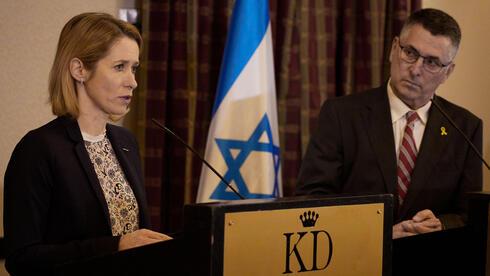
Gideon Sa’ar Cuts All Contact With EU Foreign Policy Chief Kaja Kallas Over Apartheid Remarks
15 sources compared
Moshe Feiglin Says He Will Build a New Jewish Temple at Al-Aqsa
11 sources compared
Naël Barghouti Says Hamas-Israel Prisoner Exchange Sent Him Into Exile in Egypt
10 sources compared

Netanyahu Says Israel Is Not Bound by U.S.-Iran Deal, Rejects Withdrawal From Lebanon, Syria, Gaza
21 sources compared