Trump Launches Project Freedom To Guide Stranded Ships From Strait Of Hormuz Monday
Key Takeaways
- U.S. to guide stranded ships through the Strait of Hormuz starting Monday.
- The move ties to a fragile ceasefire; Iran says it would violate it.
- Tensions escalated, with Iran attacking UAE and the U.S. sinking seven Iranian boats.
Project Freedom Begins
President Donald Trump said the United States would begin working to “guide” stranded ships from the Iran-gripped Strait of Hormuz starting on Monday, as two ships around the strait reported attacks.
“US President Donald Trump has warned that Iran would be “blown off the face of the Earth” if it attacks United States ships as tensions around the Strait of Hormuz push the truce between the two countries to the brink”
In a social media post, Trump said “neutral and innocent” countries have been affected by the Iran war and that “we have told these Countries that we will guide their Ships safely out of these restricted Waterways, so that they can freely and ably get on with their business.”

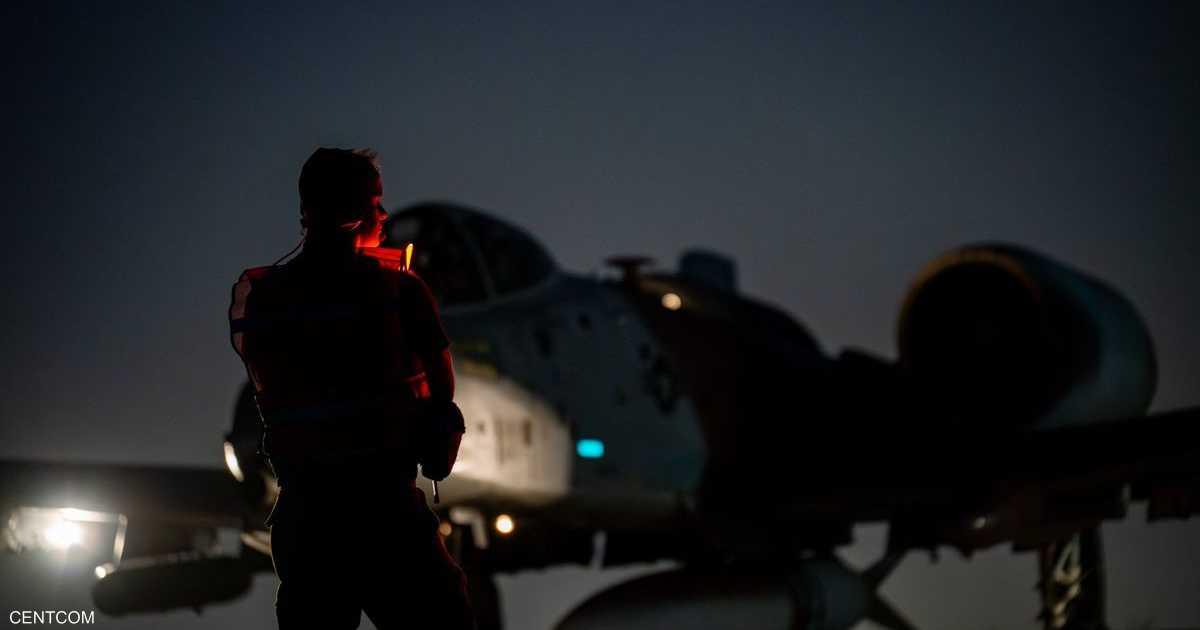
The Associated Press reported that “Project Freedom” would begin on Monday morning in the Middle East and that U.S. Central Command said the initiative would involve guided-missile destroyers, more than 100 aircraft and 15,000 service members.
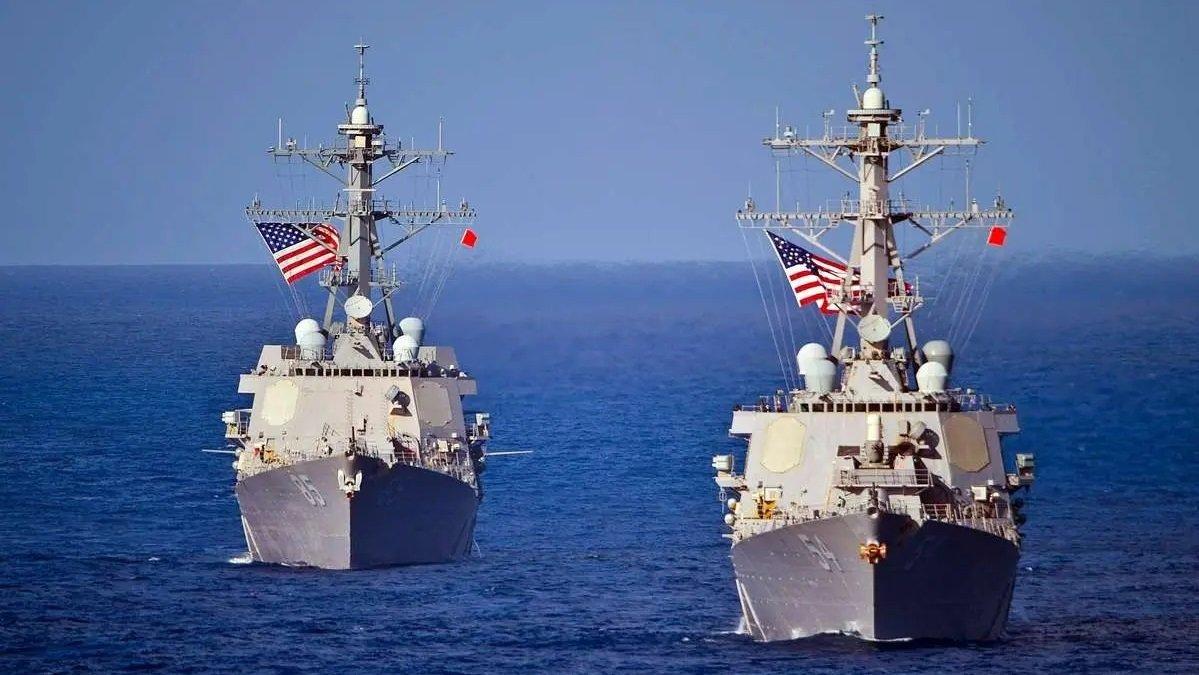
CBS News reported that the U.S. military said two commercial vessels safely transited the key waterway Monday, while U.S. Navy destroyers—USS Truxtun and USS Mason—transited the Strait of Hormuz and entered the Persian Gulf after navigating an Iranian barrage.
CBS also said the destroyers were supported by Apache helicopters and other aircraft and that defensive measures “successfully intercepted or deterred each incoming threat,” adding that no projectiles launched reached the ships.
Al Jazeera described the U.S. plan as “Project Freedom” to guide ships through Hormuz and break the Iranian blockade, while noting that ship-tracking websites showed traffic through the waterway remains largely suspended.
The initiative was framed by Trump as a humanitarian effort, with AP reporting that Trump described it as “on behalf of the United States, Middle Eastern Countries but, in particular, the Country of Iran,” while also warning that “If, in any way, this Humanitarian process is interfered with, that interference will, unfortunately, have to be dealt with forcefully.”
Ceasefire Under Strain
The launch of Project Freedom came as the ceasefire between the United States and Iran was described as fragile and under pressure, with multiple outlets tying the timing to renewed attacks in the region.
Al Jazeera said hostilities were renewed on Monday as Iran attacked the United Arab Emirates and that Trump warned Iran would be “blown off the face of the Earth” if it attacks United States ships.

CNN reported that Trump’s initiative “was a high-stakes, high-risk attempt to jolt loose a resolution” and that it “has put the US’ fragile ceasefire with Iran under strain, as US and Iranian forces traded fire in the contested waterway.”
CNN also quoted a regional source saying, “It is very bad and messy at the moment,” and described how booms reverberated in Dubai as Iranian missiles were intercepted for the first time since a truce went into effect nearly a month ago.
CBS News reported that Iran launched its first missile and drone attack on the United Arab Emirates since a ceasefire with the U.S. took effect on April 8, and that it fired two drones at a ship in the Strait of Hormuz, UAE authorities said Monday.
ABC News’ live coverage via the Australian Broadcasting Corporation said a senior Iranian official warned that Tehran would consider any U.S. attempt to interfere in the Strait of Hormuz a breach of the ceasefire.
The Associated Press added that Iran quickly denounced the move as a ceasefire violation, and that Iran’s state-run IRNA called Trump’s announcement part of his “delirium.”
In the same reporting, AP said the fragile three-week ceasefire appeared to be holding, even as ships and seafarers remained stuck in the Persian Gulf.
Iran Attacks and Denies
Alongside the U.S. effort to guide shipping, Iran’s actions and responses were presented as central to the escalating picture around the Strait of Hormuz.
CBS News said Iran fired two drones at a ship in the Strait of Hormuz, and it also reported that Iran launched small boats, missiles and drones against U.S. Navy destroyers in what officials described as a sustained barrage, while adding that neither U.S. vessel was struck.
Al Jazeera reported that Iran attacked the United Arab Emirates on Monday and that the UAE Defence Ministry said its forces engaged 12 ballistic missiles, three cruise missiles and four drones.
Al Jazeera also said the media office in the emirate of Fujairah confirmed that an Iranian attack caused a fire in the Fujairah Petroleum Industry Zone and injured three people, and it quoted the UAE Foreign Ministry saying the UAE “will not tolerate any threat to its security and sovereignty under any circumstances.”
In parallel, Al Jazeera reported that Iran’s official news agency IRNA cited a military source as saying that the “US claim of sinking a number of Iranian warships is false.”
CNN similarly described a dispute over whether Iranian small boats were destroyed, saying “The US military destroyed six Iranian small boats, US Central Command said,” while noting that “(A report by an Iranian state media outlet disputed that the boats had been sunk.)”
The Associated Press described Iran’s effective closure of the strait as imposed after the U.S. and Israel launched the war on Feb. 28, and it reported that crew members described intercepted drones and missiles exploding over the waters as their vessels ran low on drinking water, food and other supplies.
AP also reported that Iranian officials asserted they control the strait and that ships not affiliated with the United States or Israel can pass if they pay a toll, while Iran denied attacks and said a passing ship had been stopped for a documents check as part of monitoring.
What the U.S. Says It Will Do
U.S. officials and reporting outlets described Project Freedom as a defensive, multi-layer approach to protect commercial shipping while also responding to threats.
Al Jazeera said Admiral Brad Cooper, head of U.S. Central Command (CENTCOM), described vessels stranded in the area as belonging to 87 countries that are “innocent bystanders” in the conflict, and it quoted Cooper saying, “Over the last 12 hours, we’ve reached out to dozens of ships and shipping companies to encourage traffic flow through the [Strait of Hormuz], consistent with the president’s intent to help guide ships safely through a narrow trade corridor.”
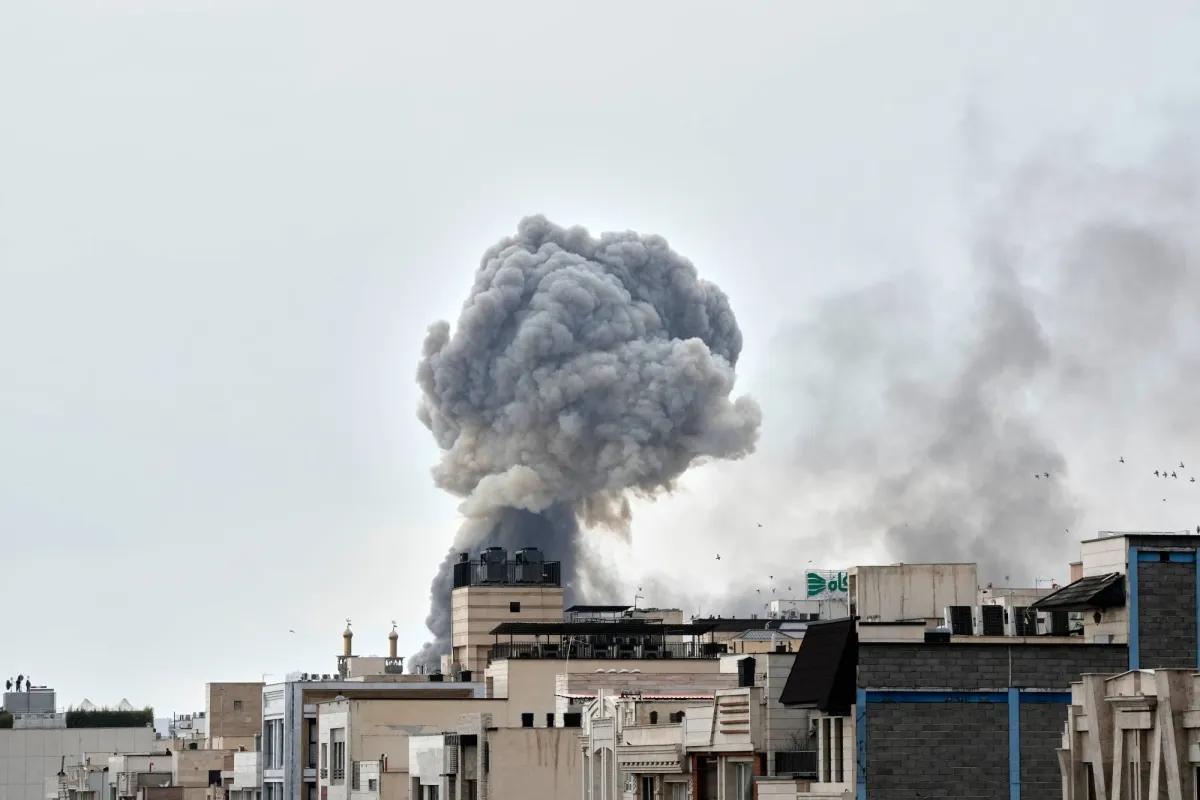
CBS News reported that the U.S. Central Command provided more details on aircraft used to support Project Freedom, including U.S. Navy F/A-18 Super Hornets launching from USS Abraham Lincoln and U.S. Navy MH-60 Sea Hawk helicopters and U.S. Army AH-64 Apache helicopters used to eliminate Iranian small boats threatening commercial shipping.
CNN quoted Adm. Bradley Cooper saying, “I think the key thing is, for us, is we’re merely there as a defensive force and to give a very thick layer of defense to commercial shipping to allow them to proceed out of the (Persian Gulf).”
CNN also reported that Trump’s foreign envoy Steve Witkoff would only say of talks with Iran: “We’re in conversation.”
In a separate report, the Australian Broadcasting Corporation said a senior Iranian official warned that any U.S. attempt to interfere would violate the ceasefire, while ABC’s live coverage also noted that the United Kingdom Maritime Trade Operations said it had received a report of a tanker being attacked 78 nautical miles north of Fujairah.
The Associated Press said Trump gave few details about what could be a sweeping attempt to help hundreds of vessels and some 20,000 seafarers, and it described crew accounts of shortages while stuck in the Persian Gulf.
AP also reported that Trump’s representatives were having discussions with Iran that could lead to something “very positive for all,” and it included a warning that if the humanitarian process is interfered with, it would be “dealt with forcefully.”
Global Ripples and Next Steps
The reporting also tied Project Freedom and the Hormuz standoff to broader economic and political consequences, including fuel prices and international pressure.
“Trump says the US will ‘guide’ stranded ships from the Strait of Hormuz, starting on Monday Trump says the US will ‘guide’ stranded ships from the Strait of Hormuz, starting on Monday DUBAI, United Arab Emirates (AP) — The United States will launch an effort on Monday to “guide” stranded ships from the Iran-gripped Strait of Hormuz, President Donald Trump said, as two ships around the strait reported attacks”
Al Jazeera said the U.S.-Israel war on Iran launched on February 28 sent global energy prices soaring, and it reported that the price of one gallon (3.8 litres) of gas or petrol in the US rose from less than $3 before the war to more than $4.45 on Monday.
CNN said the origins of Project Freedom lie in meetings exploring options for reopening the strait, and it reported that “through which 20% of the world’s oil passes.”
CNN also described how Trump’s highly anticipated visit to Beijing next week could complicate his decision, and it said China has called for reopening of the Strait of Hormuz.
The Associated Press reported that Iran’s effective closure of the strait has shaken global markets and that ships and seafarers have been stuck in the Persian Gulf since the war began.
CBS News reported that Saudi Arabia called on U.S. and Iran to de-escalate amid the fragile ceasefire, quoting the Saudi foreign ministry statement posted on X: “The Ministry of Foreign Affairs expresses the Kingdom of Saudi Arabia's concern regarding the current military escalation in the region, and calls for the need to de-escalate.”
Meanwhile, CNN reported that some of Trump’s allies encouraged him to resume the bombing campaign inside Iran, and it quoted GOP Sen. Lindsey Graham writing on X: “I hope this conflict can end diplomatically, but it is now time to regain freedom of navigation and forcefully respond to Iran if they insist on terrorizing the world.”
The next steps in the reporting were framed as both operational and diplomatic: AP said representatives were having discussions with Iran that could lead to something “very positive for all,” while CNN noted that no one was sure whether the ceasefire could hold long enough for negotiations to yield resolution.
More on USA

Border Czar Tom Homan Threatens ICE Surge in New York and Phoenix
11 sources compared
Senate Republicans Propose $1 Billion for White House Security Upgrades for Trump Ballroom
13 sources compared

Trump Endorses Challengers Against Indiana State Senators After Redistricting Rejection
12 sources compared
Trump Announces Project Freedom to Guide Ships After Iran Blocks Strait of Hormuz
23 sources compared