
Trump Lists Five Iran War Objectives, Some Remain Undefined Or Unfulfilled
Key Takeaways
- Trump lists five objectives; some outlets report four.
- Officials say goals ahead of schedule and nearing wind-down in weeks.
- Several aims remain undefined or unfulfilled as wind-down nears.
Objectives, timeline, and gaps
President Donald Trump has listed five objectives the U.S. wants to achieve before ending its war with Iran, but the AP reports that “some of his key aims remain undefined or unfulfilled” as Trump suggests the U.S. may soon be “winding down” the operation after three and a half weeks.
“Some of Trump’s Iran war objectives remain unfulfilled as he looks to wind down the conflict Some of Trump’s Iran war objectives remain unfulfilled as he looks to wind down the conflict WASHINGTON (AP) — President Donald Trump has listed five objectives that the U”
The AP says Trump most recently outlined five goals for the massive air campaign, “up from four laid out by his staff” and “since the war’s start Feb. 28.”
The AP also notes that the list has expanded and shifted as the war has taken a toll on the global economy, tested alliances, and raised unanswered questions about planning, justification, and aftermath.
The AP frames the central tension as tactical successes not necessarily translating into achieving all the president’s strategic aims, warning that if the U.S. walks away with unfinished aims and Iran’s paramilitary Islamic Revolutionary Guard in power, Trump could face “political fallout at home and global repercussions.”
A White House spokesperson, Anna Kelly, said the operation “has been a resounding success — Iran’s navy is destroyed, their defense industrial base is dismantled, and their dreams of possessing a nuclear weapon shatter more by the day.”
The AP then lays out the objectives as Trump described them on Friday and where they stand, including claims about missiles, the defense industrial base, the navy and air force, and nuclear capability.
Missiles, navy, and nuclear
One of the prime objectives in Trump’s stated goals is to “destroy their missiles and raze their missile industry to the ground,” but the AP reports that in the fourth week of the war Iran is still launching missiles and drones.
The AP says those launches include “a series of barrages at Israel early Tuesday after Trump claimed that negotiations with Iran were underway,” underscoring how the timeline and claimed diplomatic track collide with continued attacks.
Defense Secretary Pete Hegseth told reporters that Iran’s missile and drone programs are being “overwhelmingly destroyed,” and that ballistic missile attacks against U.S. forces are “down 90% since the start of the conflict.”
The AP adds that Trump repeated the “90%” statistic and said, “They can't launch them, and they don't have very many of them, as most of them have been annihilated,” then added on Tuesday that 82% of Iran’s missile launchers were “killed.”
On the naval front, the AP says the U.S. and Israel quickly established air superiority and that U.S. Central Command said Monday the U.S. has damaged or destroyed more than 140 Iranian vessels.
The AP also describes a specific incident in early March when “a U.S. submarine torpedoed and sank an Iranian warship,” and then notes that two other Iranian vessels — the IRIS Bushehr and IRIS Lavan — docked in Sri Lanka and India and sought assistance from the two countries.
For nuclear capability, the AP says Trump made a marked shift after declaring the U.S. has “obliterated” Iran’s nuclear program in June, while aides warned Iran was “just weeks away from a bomb” to justify current operations, and it notes the U.S. has not announced new strikes on Iran’s nuclear facilities even as Israel has announced strikes on nuclear-related targets including “the killing of a top Iranian nuclear scientist.”
Rubio’s “next couple of weeks”
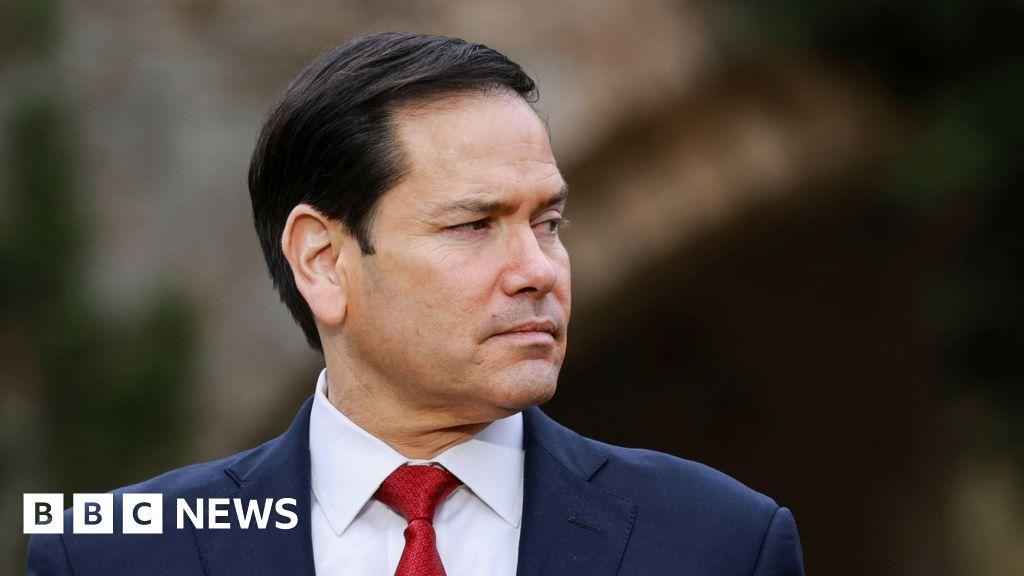
While the AP describes gaps in how fully the objectives are being met, the BBC reports that U.S. Secretary of State Marco Rubio said the U.S. expects to finish its operations in Iran “in the next couple of weeks.”
“The Trump administration keeps suggesting that the Iran war could wrap up soon”
The BBC places Rubio’s remarks at the end of a meeting in France of foreign ministers from the group of major Western economies known as the G7, and it says Rubio argued the objectives were being achieved and were “ahead of schedule.”
The BBC also says Rubio referred to peace talks that President Donald Trump says Iran wants, while Tehran denies, and Rubio said there had been messages but it was unclear who would represent the country.
Rubio told reporters, “We haven't gotten it yet. Look, we've got messages. We've had an exchange of messages and indications from the Iranian system, whatever's left of it, about a willingness to talk about certain things.”
The BBC further reports that Trump’s special envoy Steve Witkoff later said he was “hopeful” there would be meetings “this week,” adding, “We have a 15-point deal on the table that the Iranians have had for a bit of time. We expect an answer from them and it would solve it all.”
In the same BBC account, Trump told reporters on Friday that he had paused a threatened attack on Iran’s power plants to give talks a chance, saying, “Iran is being decimated,” and “We are talking now. They want to make a deal.”
The BBC also reports that on Friday Iran said Israel had carried out attacks on Iranian nuclear facilities as well as two of the country’s largest steel plants, prompting Foreign Minister Abbas Araghchi to threaten to exact a “heavy price,” while the Islamic Revolutionary Guards Corps said it would retaliate by targeting industrial infrastructure connected to the U.S. or Israel.
Changing lists and shifting wording
CNN describes the Trump team’s objectives as an “ever-changing list of 4 goals in Iran,” arguing that while the administration keeps suggesting the war could wrap up soon, the specific goals have been inconsistent depending on who is providing them.
CNN says Secretary of State Marco Rubio told ABC News on Monday, “We are going to achieve our objectives in a matter of weeks, not months,” but that officials have regularly listed four objectives and “they’ve often changed depending upon the date and who’s providing them.”
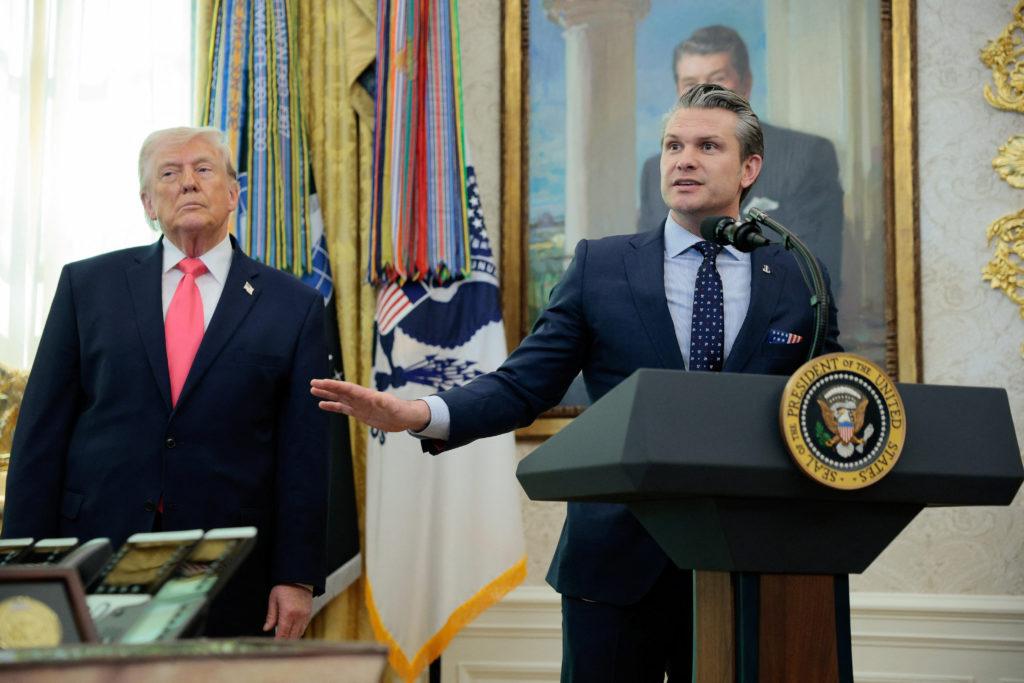
CNN recounts that after the U.S. launched strikes on Iran on February 28, the administration clarified objectives on March 2, when Defense Secretary Pete Hegseth described four objectives: “Destroy Iranian offensive missiles,” “Destroy Iranian missile production,” “Destroy their navy and other security infrastructure,” and “They will never have nuclear weapons.”
CNN says that just hours after Hegseth’s comments, Trump debuted an amended list at a Medal of Honor ceremony at the White House, merging numbers 1 and 2 into one goal — “destroying Iran’s missile capabilities” — and adding a new fourth goal about ensuring the Iranian regime cannot continue to “arm, fund and direct terrorist armies outside of their borders.”
CNN reports that two days later Rubio echoed Hegseth’s list in a social media post, but White House press secretary Karoline Leavitt echoed Trump’s amended list, including the proxy threat that Rubio hadn’t mentioned.
CNN then describes further shifts in the past week, saying on Friday Rubio added “destroy their air force” on top of his previously stated objective of destroying Iran’s navy, and in interviews Monday with ABC and Al Jazeera he made destroying the air force one of the four numbered objectives, in place of Iran never obtaining a nuclear weapon.
CNN also says Leavitt on Monday gave another list that differed from what Rubio posted, with Hers not mentioning destroying Iran’s air force and instead listing “preventing Iran from ever obtaining a nuclear weapon” as a distinct goal, while again including combatting Iran’s proxies despite Rubio not mentioning them.
CNN’s account emphasizes that even when the general subject matter stayed consistent, the wording evolved from “destroy their missiles and raze their missile industry to the ground” to “destroying Iran’s missile capabilities,” and later to “dramatically reduce” Iran’s missile launchers, with Rubio citing a “significant reduction” and ABC describing “severe diminishing of their missile launching capability.”
Strait of Hormuz and next steps
The BBC reports that the G7 foreign ministers called for “the absolute necessity to permanently restore safe and toll free freedom of navigation in the Strait of Hormuz,” tying the diplomatic track to the maritime choke point that Iran has closed in retaliation.
Rubio told reporters that the statement was a reference to Iran’s threat to charge a fee, and the BBC says there have been reports that IRGC has already been charging some vessels a fee in return for secure passage.
The BBC also says about 20% of the world’s oil and liquefied natural gas typically passes through the Strait of Hormuz, and it reports that closure has caused the price of oil to skyrocket and raised concerns that a prolonged blockage could raise energy prices and even lead to a severe contraction in the economies of many countries.
The BBC adds that most of the G7 countries, except Japan, are members of the Nato transatlantic alliance, and it says they have refused to answer a call by Trump to send ships to escort vessels through the strait, angering the U.S. leader.
Instead, the BBC reports that they said ending the conflict was the best way to ensure freedom of passage, and after the talks in France Rubio said the UK was leading the work to build a coalition to ensure the strait remained free.
The BBC also reports that the G7 communique called for “an immediate cessation of attacks on civilians and civilian infrastructure,” and it says the statement did not mention the warring parties by name but its message appeared to be more targeted at Iran, which has also attacked civilian targets in Gulf countries allied to the U.S.
In parallel, the AP warns that if the U.S. walks away with unfinished aims and Iran’s paramilitary Islamic Revolutionary Guard in power, Trump could face “global repercussions,” framing the stakes as both political and strategic.
The AP also notes that Iran’s missiles continue to disrupt shipping through the Strait of Hormuz, and it describes uncertainty about whether mines have been planted as Iran’s Revolutionary Guard relies on smaller vessels to do swarm attacks and drop mines.
More on Iran

Trump Announces Project Freedom To Guide Stranded Ships Out Of Strait Of Hormuz Monday
19 sources compared
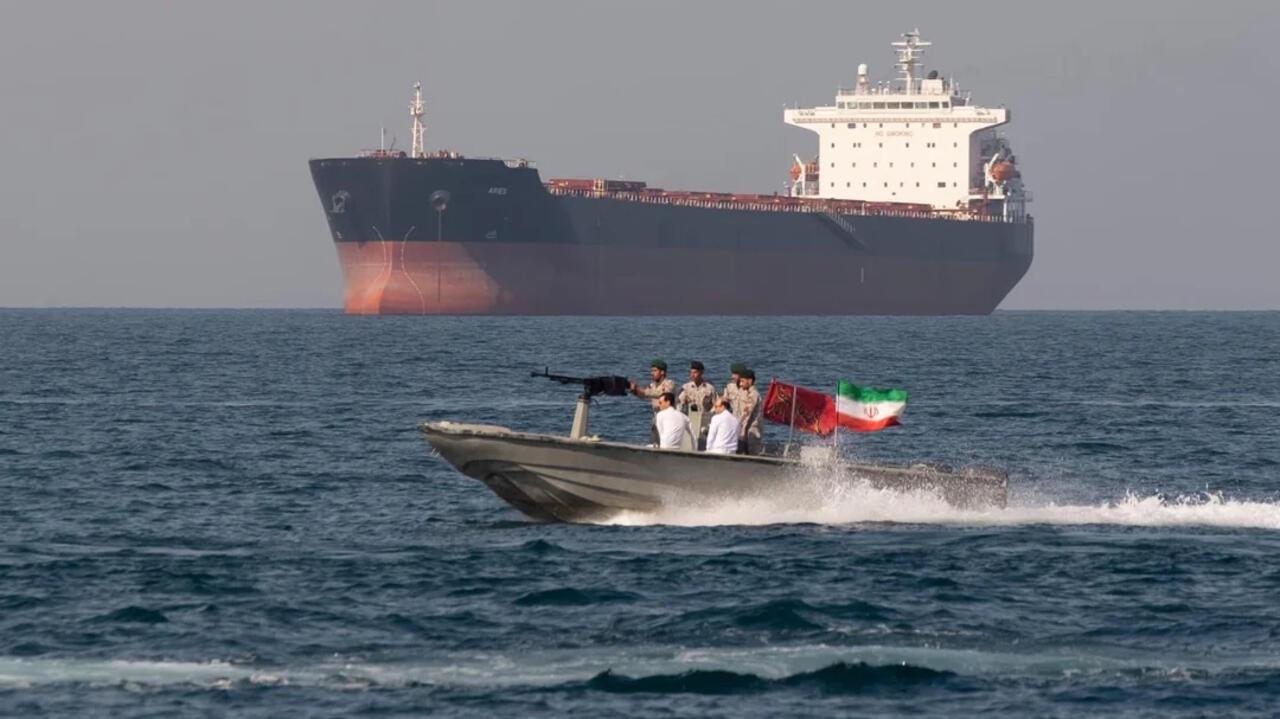
Iran Claims It Struck U.S. Navy Vessel Near Strait of Hormuz, CENTCOM Denies
19 sources compared
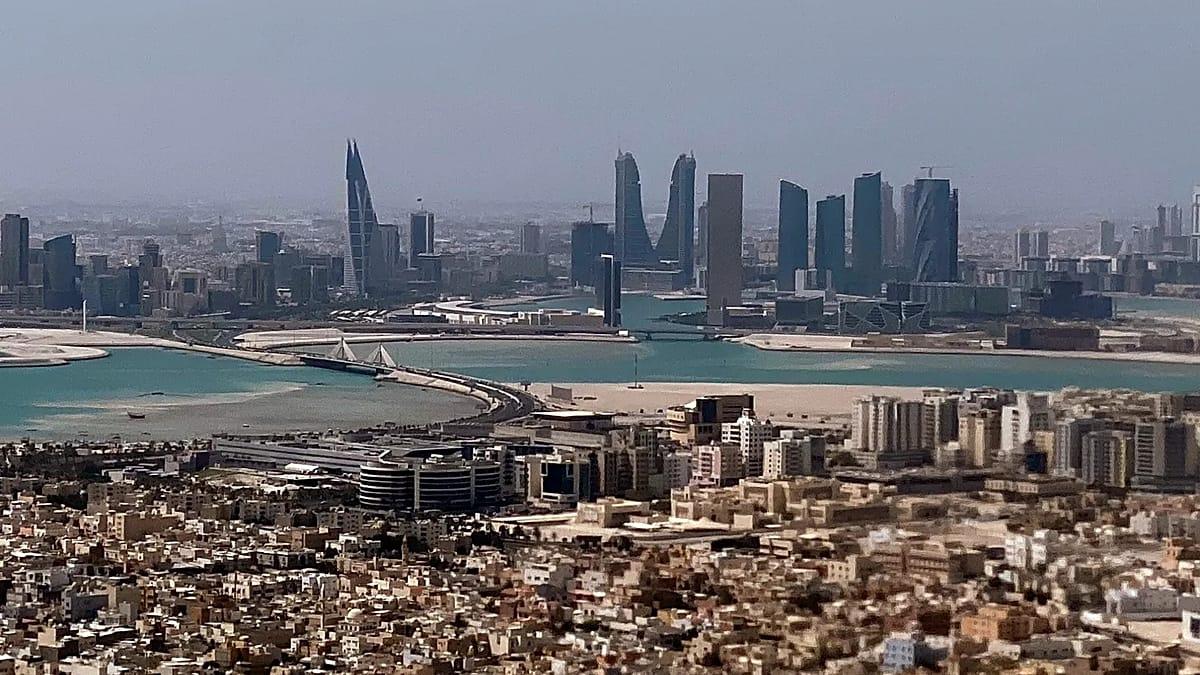
Iran Destroys 74 Missiles And 117 Drones In Bahrain, Bahrain Defence Forces Say
10 sources compared
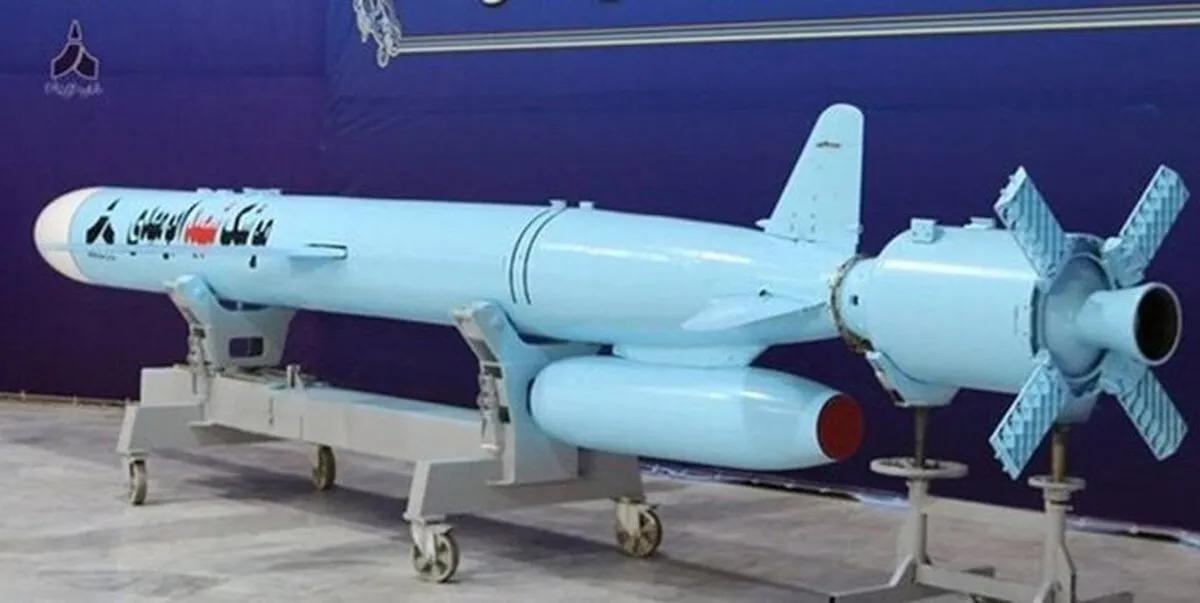
Iranian Media Claims Two Missiles Hit US Frigate Near Strait of Hormuz, Washington Denies
29 sources compared