
Trump Maintains Naval Blockade, Vows To Attack Iranian Fast Boats In Strait Of Hormuz
Key Takeaways
- Trump extended the Israel-Lebanon ceasefire by three weeks, bringing the conflict to day 56.
- US officials and Iranian mediators show mixed messaging on ceasefire talks.
- Iranian foreign minister visits Islamabad as mediators press for ceasefire progress.
Ceasefires, threats, and drift
The war across the Middle East remains suspended in parts but not resolved, with conditional ceasefires and mutual threats leaving “millions of people” displaced and many fearing fighting “could resume at any time,” according to the Associated Press.
“Trump announces three-week extension to Israel-Lebanon ceasefire US President Donald Trump has announced a three-week extension to the ceasefire between Israel and Lebanon after talks at the White House with Israeli and Lebanese envoys”
In the West Bank city of Ramallah, the AP described a post-Oct. 7 order that is “barely pieced together,” even as Iran has “suffered severe blows” without being shaken at the negotiating table.
The AP said Iran’s allies Hezbollah in Lebanon and Hamas in Gaza are “degraded but functioning,” while Israel continues “regularly launching strikes” at both.
It also said Prime Minister Benjamin Netanyahu faces “mounting pressure” to translate military achievements into “clear dividends” ahead of elections later this year.
The AP reported that U.S. President Donald Trump extended a ceasefire but said he would maintain a U.S. naval blockade on Iranian ports, and it added that on Wednesday Trump vowed to attack Iranian fast boats in the Strait of Hormuz.
The AP framed the Strait of Hormuz as a flashpoint where Tehran has “effectively choked off” passage since the start of the war, sparking a “worldwide energy crisis.”
Michael Ratney, a former U.S. ambassador to Saudi Arabia, said ceasefires “don’t fix anything — they just stop things from getting worse,” and he linked the pause to Trump’s need to “get out of war.”
Gaza and Lebanon tensions
While the Associated Press described the broader Middle East as held together by ceasefires, it also emphasized that fighting continues in Lebanon outside the border area where a truce is supposed to hold.
It said Israel has indicated it plans to occupy “a swath of southern Lebanon indefinitely,” and it described Hezbollah as demanding that Israel withdraw even though Hezbollah “is not an official party to the truce.”
The AP reported that Trump announced a “three-week extension” of the truce on Thursday after a meeting between Israeli and Lebanese officials at the White House.
It also said the U.S. and Israel have demanded that Lebanon’s government assume responsibility for disarming Hezbollah, while Beirut acknowledged limited capacity and “their efforts yielded little.”
The AP described a pattern in which Israeli forces drew a “yellow line” in southern Lebanon, demolishing homes that Israel claims were used by Hezbollah and preventing people from returning.
It added that Israel announced strikes on people it says are militants attempting to cross the line.
The AP also tied the Lebanon ceasefire to Gaza by describing the same logic of conditional restraint, noting that “As in Gaza, Israeli forces have drawn a ‘yellow line’ in southern Lebanon.”
In a separate report, CNN said Israeli troops and Hezbollah fighters continued to target each other throughout Friday, a day after the three-week extension of the ceasefire between Israel and Lebanon was announced.
CNN further stated that in the southern Lebanese towns of Yater and Kafra, the Israel Defense Forces said it struck Hezbollah rocket launchers that “posed a threat to IDF soldiers and Israeli civilians.”
Voices on diplomacy and force
Across the reporting, officials and analysts offered competing interpretations of what the ceasefires mean and what comes next, with multiple voices pointing to uncertainty rather than resolution.
“What is the cost of the 'political' war on Trump and the Republicans”
The Associated Press quoted Michael Ratney saying ceasefires “don’t fix anything — they just stop things from getting worse,” framing the pauses as “part of an answer to an immediate political problem.”
In CNN’s account of day 56 of the conflict, White House press secretary Karoline Leavitt said the administration has “seen some progress” from Iran and that “Everyone will be on standby to fly to Pakistan if necessary.”
CNN also reported that Iran’s Foreign Ministry spokesperson Esmaeil Baghaei denied a direct meeting, with Baghaei saying on social media that “no meeting is planned.”
The Independent described Trump canceling a trip for U.S. negotiators to visit Pakistan “saying it was too far for envoys Steve Witkoff and Jared Kushner to travel “without a plan,” and it quoted Trump’s social media line: “If they want to talk, all they have to do is call!!!”
In Al Jazeera’s timeline, the outlet said Trump told reporters he “could make a deal right now” with Iran but was willing to wait for an “everlasting” agreement.
Al Jazeera also reported that Tehran’s senior officials blamed Washington for stalled negotiations, citing the U.S. naval blockade of Iranian ports.
In the same Al Jazeera report, analyst Hassan Ahmadian said the U.S. push in the Strait of Hormuz is not an “economic siege” but a cover to reposition forces “for a possible new round of conflict.”
CNN added a separate official voice from the Pentagon, saying U.S. Secretary of Defense Pete Hegseth railed against European allies, saying the standoff in the Strait of Hormuz “is much more their fight than ours.”
Different frames, same events
The same underlying conflict—U.S.-Iran negotiations under pressure and ongoing strikes—appears through sharply different lenses across outlets, with some emphasizing diplomacy’s fragility while others highlight force posture and domestic politics.
The Associated Press focused on how “Major military operations have halted” while “the underlying grievances” remain, and it quoted Jon Alterman saying “The most visible part of the fighting has stopped, but the less visible efforts are roaring ahead.”

CNN, by contrast, emphasized the uncertainty in US-Iran peace talks, describing “Mixed messaging” as envoys Steve Witkoff and Jared Kushner traveled to Pakistan while Iran’s Abbas Araghchi was in Pakistan and Iran’s ministry denied a direct meeting.
CNN also highlighted the operational side by noting that US Central Command posted an image of a destroyer ship appearing to intercept another vessel near the Strait of Hormuz and that CENTCOM said it had redirected “at least 33 ships” since the White House leveled the blockade on April 13.
Al Jazeera’s framing centered on a day-by-day status update, saying Trump announced a “three-week extension” to the ceasefire between Israel and Lebanon and then pivoted to Hormuz, where it said Trump pledged the U.S. would destroy any vessel laying mines in the Strait of Hormuz.
Al Jazeera also used a political-diplomatic lens by reporting that Iran’s leaders denied “division claims” and by listing statements from President Masoud Pezeshkian, Mohammad Bagher Ghalibaf, and Gholamhossein Mohseni Ejei denying Trump’s assertions of internal rifts.
The Independent framed the negotiation breakdown around Trump’s decision to cancel envoys’ travel and around Tehran’s insistence that no direct talks were scheduled, quoting Trump’s “If they want to talk, all they have to do is call!!!” and describing Pakistan’s role in “races to save negotiations.”
Meanwhile, the BBC’s account of the U.S.-Israel war with Iran emphasized the “cost” and the “political” dimension, quoting Trump’s statements about the war being “almost finished, entirely” and later saying “We can say we have achieved an amazing success now, and we can go further, and we will.”
The BBC also reported that Trump warned the U.S. would intensify strikes if Iran continued to threaten oil tankers in the Gulf, and it quoted him: “We will strike them very hard so that they cannot recover again.”
What’s at stake next
The sources portray the next phase of the conflict as hinging on whether negotiations resume and whether military pressure escalates, with direct consequences for regional security and global energy.
“Trump says shooting at press dinner 'won't deter him' from Iran war US President Donald Trump said that a shooting at the White House Correspondents' Association Dinner would not deter him from the war on Iran, adding that the incident was not likely linked to the conflict”
The Associated Press warned that “Millions of people are still displaced,” and it said many fear fighting could resume “at any time,” even as it described a ceasefire extension and a blockade on Iranian ports.
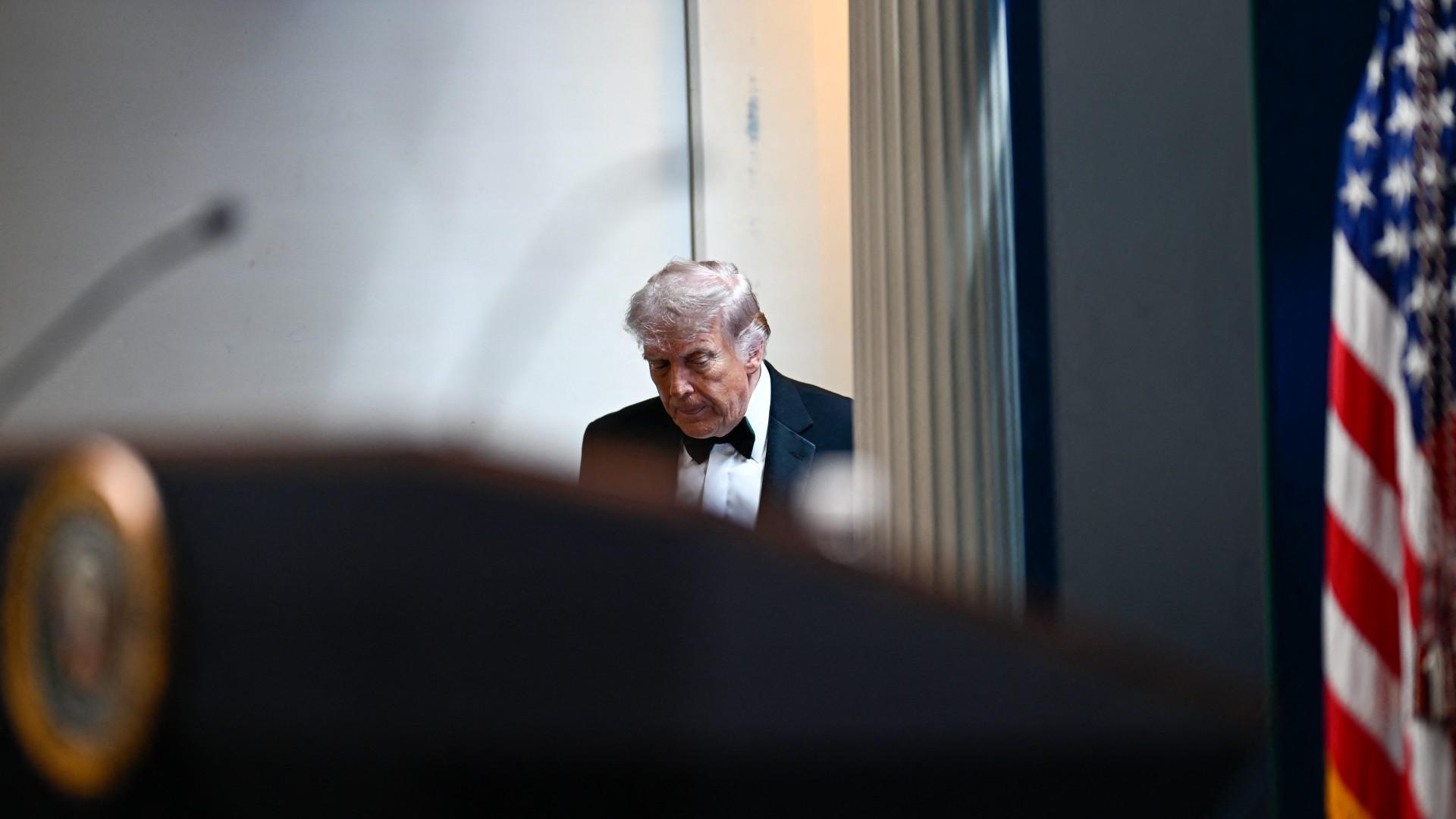
It also reported that a new round of ceasefire talks appeared to fall apart Saturday in Pakistan when Iran’s foreign minister left Islamabad and Trump said he had told U.S. envoys not to go.
CNN similarly described the peace-talk uncertainty, saying White House press secretary Karoline Leavitt confirmed to Fox News that Witkoff and Kushner “will be off to Pakistan again tomorrow morning to engage in talks,” while Iran’s Baghaei denied “no meeting is planned.”
Al Jazeera added that Trump said he “could make a deal right now” with Iran but was willing to wait for an “everlasting” agreement, while Tehran blamed Washington for stalled negotiations over the blockade of Iranian ports.
The BBC’s account of the war’s political cost tied the stakes to markets and domestic pressure, reporting that after Trump’s remarks “stock markets rallied and oil prices fell to under $90 a barrel from $120,” and it noted that the average price per gallon of gasoline rose to $3.48, up 48 cents from the previous week.
The BBC also reported that the war had led to a “near-total shutdown of the Strait of Hormuz,” and it quoted Trump saying the U.S. objective was “to ensure Iran cannot develop weapons capable of targeting the United States or Israel or any of America's allies for a very long time.”
In CNN’s report, the stakes extended to operational maritime pressure, with CENTCOM saying it had redirected “at least 33 ships” since the blockade began on April 13 and with a destroyer ship image posted near the Strait of Hormuz.
The Independent added a diplomatic stakes framing by describing Pakistan’s leaders trying to restart talks after Trump canceled a meeting in Islamabad and after Tehran questioned how it could trust the U.S. after blockading Iranian ports.
More on Gaza Genocide
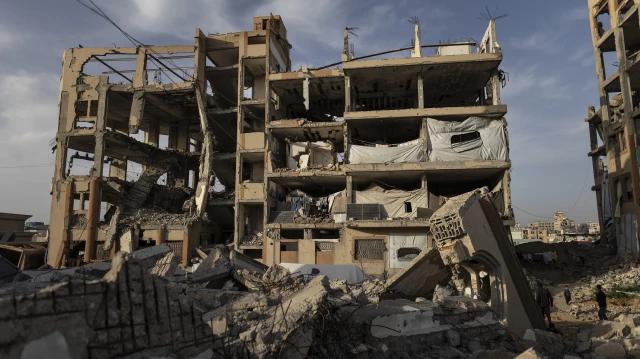
Israeli Attacks Kill At Least Four Palestinians in Gaza Despite Ceasefire
22 sources compared

Israel Prevents Essential Materials as Aid Trucks to Gaza Fall After Iran War
11 sources compared

Israel Strikes Continue as Iran, Hezbollah, and Hamas Remain Degraded Under Conditional Ceasefires
23 sources compared
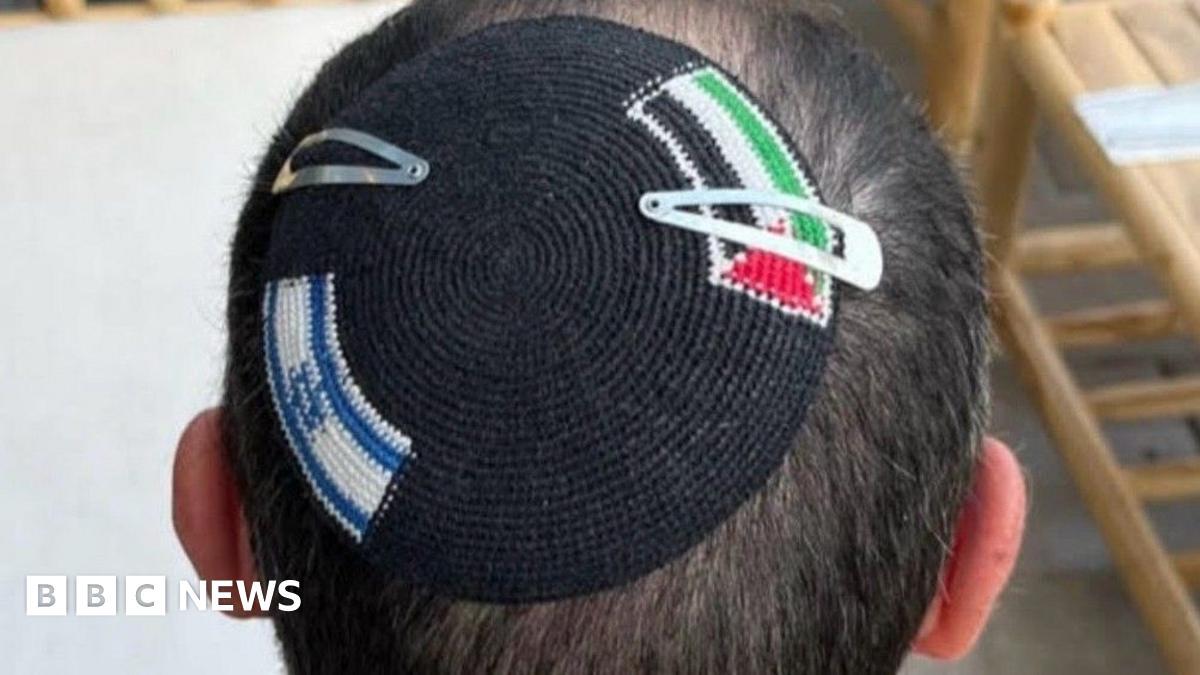
Israeli Police Detain Alex Sinclair, Cut Palestinian Flag From Kippah in Modi'in
11 sources compared