5Pillars
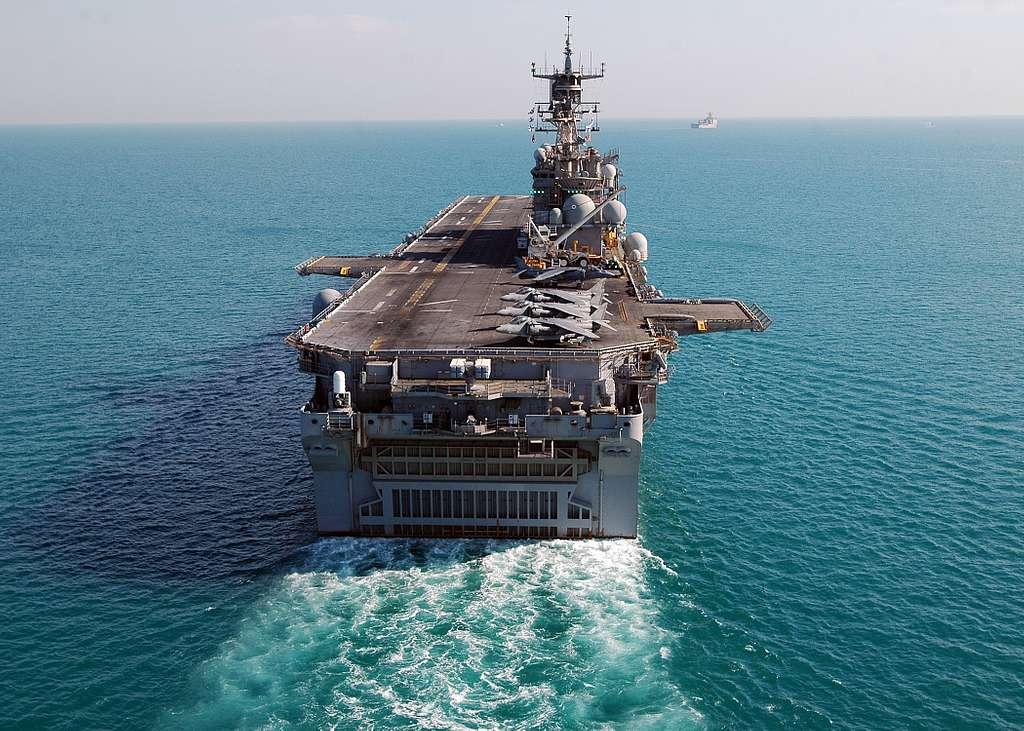
US ‘armada’ builds up in Middle East as Washington beats drums of war against Iran
 Aaj English TV
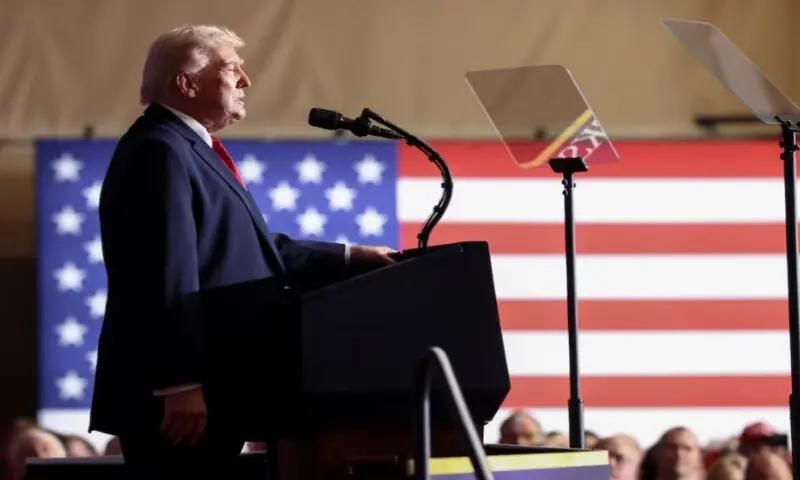
Trump warns Iran: ‘Next attack will be far worse’
 ABC News
Trump says 'massive Armada' heading to Iran, warns time is running out for nuclear deal
 Al Jazeera
Trump says US ready to attack Iran with ‘speed and violence’
 Al Jazeera
Iran rejects Trump’s threats, says ready to respond to any US attack
 Al Jazeera
US-Iran tensions: The diplomatic scramble to prevent a war
 Al Jazeera
Iran prepares for war as US military ‘armada’ approaches
 Al Jazeera
Iran says ready for ‘fair’ talks with US but not ‘under shadow of threats’
 Al-Jazeera Net
International newspapers: Trump ignored the Iranian protesters, and a potential attack could ignite a war.
 Al-Jazeera Net
Trump threatens Iran with a harsh attack and calls on it to negotiate over its nuclear program.
 arabnews.jp
Trump threatens Iran over nuclear talks, says ‘time is running out’
 Associated Press
India says it has contained Nipah virus outbreak as some Asian countries ramp up health screenings
 Australian Broadcasting Corporation
AUDIO: Cases of deadly Nipah virus found in Asia | ABC News Top Stories
 Australian Broadcasting Corporation
Trump threatens Iran with 'major destruction' as US fleet arrives in Gulf
 BBC
BBCNipah virus: Some Asia airports screen passengers after outbreak in India
 BBC
BBCTrump tells Iran to drop nuclear aims and stop killing protesters to avoid military action
 bgnes
bgnesTrump Threatens New Attack on Iran If Country Fails to Reach Nuclear Deal
 Cambodianess
Nipah Cases in India Trigger Regional Alert as Climate and Travel Risks Converge
 cbn
cbnTrump Warns Iran Time Running Out for Deal as US Military Readies; Final Israeli Hostage Laid to Rest
 CBS News
Trump threatens Iran with "far worse" attack than June strikes if it doesn't negotiate a nuclear deal
 CNBC
CNBCOil prices rise after Trump says a 'massive Armada is heading to Iran'
 CNN
CNNTrump weighs major new strike on Iran as nuclear discussions show no progress
 CPG Click Petróleo e Gás
Nipah virus outbreak in India triggers high alert at Asian airports.
 Cyprus Mail
Trump says US ‘armada’ near Iran, issues stark warning over nuclear program
 Daijiworld
Iran signals readiness to defend as US military threat looms
 Daily Express
Trump issues chilling nuke warning to Iran as WW3 fears soar - 'Next attack will be worse'
 Daily Mail
Donald Trump's chilling threat to Iran: President says his 'beautiful armada' of warships are ready to attack - while Tehran claims it will respond like never before
 Daily Mail
Deadly bat-borne virus sparks pandemic fears in Asia as countries bring back Covid-era border controls
 Daily Mail
Iran tells Trump 'our fingers are on the trigger': Tehran warns it will 'respond like never before' if US carries out military strikes after president warned of 'major destruction'
 Daily Trust
US Deploys 10 Warships To Middle East As Trump Escalates Pressure On Iran
 dailycaller
Trump Threatens Iran With ‘Far Worse’ Attack As Massive Armada Closes In
 Dawan Africa
India Confirms Two Nipah Virus Infections; Southeast Asia Steps Up Health Screening
 Devdiscourse
Tensions Escalate: Trump and Iran's Standoff Over Nuclear Deal
 dw
dwTrump tells Iran 'time running out' for nuclear deal
 Dynamite News
Negotiate or Face the Wrath: Trump threatens Iran with ‘Far Worse’ attack, China rebukes US
 EarthTimes
Asia on Alert as Nipah Virus Re-Emerges in India, Triggering Airport Screenings and Health Warnings
 El Mundo
Trump threatens Iran again and says his fleet is ready to act as in Venezuela: 'Time is running out'
 El-Balad
Nipah Virus Outbreak: Key Facts Amid India’s Health Crisis
 en.ara.cat
Trump threatens Iran with an attack like the one on Venezuela
 en.bd-pratidin
Iran signals readiness as US military ‘armada’ approaches
 Euronews
Nipah virus: What is it and why are countries on alert?
 Firstpost
Is a US-Iran conflict imminent as Trump issues nuclear ultimatum?
 Folha de S.Paulo
Trump again threatens Iran with a 'much worse' attack and says that 'time is running out'.
 Fox News
Trump pressures Iran to 'come to the table' as 'massive' US armada draws near
 France 24
Trump says Iran wants a deal, warns US 'armada' larger than in Venezuela raid
 Free Press Journal
Why the Nipah Virus Outbreak in Bengal Has Asian Health Officials on High Alert
 GB News
Iran warns any US military action will be considered 'act of war' after Donald Trump threatens 'violence'
 Gdnonline
Trump threatens Iran next attack will be ‘far worse’
 gulfnews
Nipah virus outbreak in India: Asian airports on high alert, tightens passenger screening
 gulfnews
If the US strikes Iran, what could happen next? Experts warn of chaos and escalation
 Hindustan Times
Iran-US news highlights: US imposes fresh sanctions targeting Iran over crackdown on protesters | World News
 Hürriyet Daily News
Trump threatens Iran over nuclear talks, says 'time is running out'
 irishstar
Deadly bat-borne virus sparks pandemic fears as Asia brings back Covid screenings
 JFeed
JFeedTrump Threatens Iran, "You're Out of Time"
 Khaama Press
Trump warns Iran “time is running out” for talks, threatens “far worse” attack
 Khaama Press
Trump Considering Major Military Strike on Iran, CNN Reports
 koreatimes.co.kr
Trump threatens Iran over nuclear talks, says 'time is running out'
 koreatimes.co.kr
10 US warships in Mideast as Trump threatens Iran
 Kursiv Media
Thailand Tightens Airport Screening After Nipah Virus Cases Confirmed in India
 lamilano.it
Trump threatens Iran: US fleet in disarray and nuclear ultimatum, "The next attack will be worse."
 LatestLY
Donald Trump Warns Iran to Negotiate as Massive US Armada En Route, Saying Failure Could Lead to Far Worse
 LatestLY
Nipah Virus - More News on LatestLY
 Le Monde.fr
Trump ramps up pressure on Iran by deploying aircraft carrier and threatening strikes
 LIGA.net
"Time is running out". Trump threatens Iran with a new strike, wants a deal
 liverpoolecho.co.uk
Trump warns Iran 'massive Armada' approaching as he threatens 'far worse' attack
 lnginnorthernbc.ca
Alert for the Nipah virus in India? Neither danger of a pandemic, nor a particularly serious outbreak | Society
 Medical Xpress
India says it has contained Nipah virus outbreak as some Asian countries ramp up health screenings
 middleeasteye.net
France backs IRGC terror designation after leak reveals Macron 'in line' with Trump
 mronline.org
An armada is sailing toward Iran: Trump
 National Security News
Trump threatens Iran with violence as ‘armada” arrives
 Nepalnews
Understanding the deadly Nipah Virus outbreak in West Bengal, India
 news.antiwar
Trump to Iran: Agree to Nuclear Deal Or the US Will Attack
 News.au
Airport chaos, new virus threatens globe
 news24online
‘Massive Armada heading to…’: Trump issues CHILLING threat to Iran, says ‘speed and violence’ will…, warns Tehran to ‘MAKE A DEAL’ before…
 Newsweek
Donald Trump Issues Stark New Threat to Iran: ‘Major Destruction’
 Nikkei Asia
India reports two Nipah virus infections
 polskieradio.pl
Nipah virus outbreak in India triggers heightened airport screenings across Asia
 PressTV
Iran ready for both war and dialogue, ‘will not accept dictation’: FM Araghchi
 PressTV
'Fingers on trigger': Iran warns of strong response while signaling openness to 'fair' deal
 qatar-tribune
Trump threatens to attack Iran
 Radio Free Europe/Radio Liberty
Trump Calls On Iran To 'Make A Deal' Or Next US Attack Will Be 'Far Worse'
 Radio Free Europe/Radio Liberty
Live Blog: Trump: Iran Wants To Make A Deal
 Read Lion
Trump threatens Iran with ‘far worse’ attack as massive armada closes in
 RNZ
RNZDonald Trump threatens Iran with 'major destruction' as US fleet arrives in Gulf
 Sky News
What is Nipah virus? The highly lethal disease causing concern across Asia
 Sky News
Iran latest: Tehran has 'finger on trigger' after Trump's armada warning
 Sky News Australia
'Massive armada': President Trump threatens Iran over nuclear deal
 South China Morning Post
Nipah cases in India raise regional anxiety but experts say escalation unlikely
 tanea.au
Strike on Iran looms as Trump issues ‘Ultimatum’ and explicit threat via social media
 Tempo.co English
Trump Makes New Threats Against Iran Over Nuclear Deal
 The Australian
Iran warns Trump any US strike would be ‘start of war’
 The Daily Beast
Donald Trump, 79, Threatens Overseas Violence as Domestic Crisis Spirals
 The Daily Jagran
Nipah Virus Outbreak: Asian Airports Tighten Checks After Nipah Cases In India; Know Symptoms, Causes, Risks
 The Express Tribune
Pakistan tightens border surveillance over Nipah virus threat as India confirms two cases
 The Financial Express
Is there a Nipah outbreak in India? Asian airports tighten COVID-style screening amid virus scare
 The Financial Express | First Financial Daily of Bangladesh
Nipah virus detected in India
 The Guardian
What is Nipah virus? Key things to know about the disease amid cases in India
 The Guardian
Threat of US-Iran war escalates as Trump warns time running out for deal
 The Guardian
Trump says he believes Iran wants to make deal as he extols size of US ‘armada’
 The Hill
Trump tells Iran ‘time is running out’ for deal: ‘Next attack will be far worse’
 The Hindu
Fingers on the trigger, says Iran after Trump’s warning
 The Hindu
U.S.-Iran tensions escalate as Trump says ‘time is running’ out for Tehran
 The Independent
Airports across Asia reintroduce Covid-style health checks after outbreak of deadly Nipah virus in India
 The Independent
Trump threatens Iran with ‘massive armada’ in Gulf and says time is running out to agree nuclear deal
 The Independent
Trump-Iran latest: Tehran says it is ready for negotiations with US but not under ‘shadow of threats’
 The Indian Express
‘Next attack will be far worse’: Trump threatens Iran with military action, demands for nuclear deal
 The Journal
Trump says US speaking with Iran and it 'would be great' to avoid using military force
 The Mirror
Donald Trump issues chilling nuclear threat to Iran – 'massive Armada is coming'
 The New Arab
Trump threatens Iran with armada, region seeks peaceful solution
 The New Indian Express
Nipah outbreak in India triggers airport screenings across Asia
 The Straits Times
Ten US warships in Middle East as Trump threatens Iran
 The Straits Times
Ten US warships in Middle East as Trump threatens Iran
 The Straits Times
Nipah virus: Singapore airports to screen visitors from affected places; no cases detected here
 The Straits Times
Thailand screens 1,700 passengers for Nipah virus; three hospitals put on standby
 The Sunday Guardian
US Sets Deadline, Iran Promises Strike: Trump Warns, Make Nuclear Deal or Next Attack Will Be 'Far Worse'
 The Sydney Morning Herald
‘Next attack will be far worse’: Trump says massive US armada is ready to strike Iran
 The US Sun
Iran to retaliate 'like never before' as Trump armada is 'ready for violence'
 thenationalnews
Donald Trump warns Iran of 'far worse' attack if it does not make deal
 thewill news media
Trump Threatens “Massive Armada” Strike On Iran As Nuclear Standoff Deepens
 Times of India
Nipah under control in Bengal, says Centre as Thailand, Nepal step up screening
 townhall
Trump Issues Warning to Iran: Make a Deal. Or Else.
 travelandleisureasia
Nipah Virus Scare Triggers Heightened Health Checks At Asian Airports
 Tuoi Tre News | The News Gateway to Vietnam
Ho Chi Minh City tightens airport screening over Nipah virus risk
 UK News in Pictures
Asia Airports Bring Back Covid-Style Checks Amid Nipah Virus Scare
 UNILAD
Symptoms of deadly virus with no cure as outbreak prompts airports to launch COVID-style measures
 upday News
Trump sends 'massive armada' to Iran, warns of 'far worse' attack
 upi
upiTrump threatens Iran on nukes, sends a 'massive armada' of ships
 VnExpress International
Singapore's Changi Airport steps up health checks after India confirms 2 Nipah virus cases
 VnExpress International
Vietnam issues fruit warning after India reports highly fatal Nipah virus cluster
 Vocal
VocalTrump Tells Iran: End Nuclear Ambitions and Stop Killing Protesters or Face US Military Action
 Washington Examiner
Trump threatens attack on Iran worse than ‘Midnight Hammer’ with military buildup in the region
 Washington Post
What to know about the deadly Nipah virus, amid outbreak in India
 WION
WIONNipah alert: THESE nations roll out Covid-style screening after Bengal outbreak—Check what travelers must know
 WMAL
WMALTrump urges Iran to deal on nuclear ambitions, or else U.S. fleet will act with ‘speed and violence’
 World Socialist Web Site
US strike on Iran appears imminent as aircraft carrier task force arrives in Arabian Sea and Trump makes new threats
 Yeni Safak English
Netanyahu holds security talks on potential US strike on Iran, Israeli media reports
 Українські Національні Новини
Trump issues nuclear ultimatum to Iran as US 'armada' approaches