USA30 January, 20262 min read
Trump Nominates Kevin Warsh to Chair Federal Reserve
President Trump nominated former Fed governor Kevin Warsh to succeed Jerome Powell in May Warsh, a 2006–2011 Fed governor, is expected to push for lower interest rates

29 outlets told this the same way.
Outlets did split on Trump Interrupted by Protesters at San Antonio Rally for Ken Paxton →
Fed chair nomination
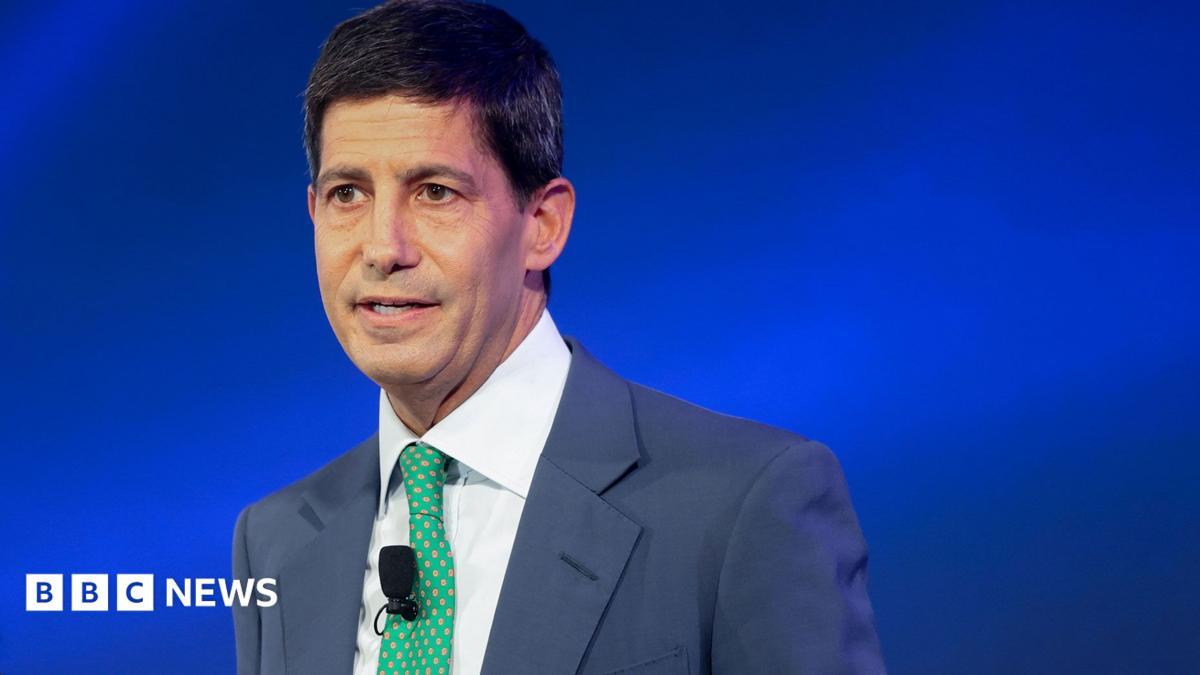
President Donald Trump announced he will nominate Kevin Warsh, a 55-year-old former Federal Reserve governor, to replace Jerome Powell as chair of the Federal Reserve when Powell’s term expires in May, and the nomination requires Senate confirmation.
“President Donald Trump announced Kevin Warsh, a 55-year-old former Federal Reserve governor with deep Wall Street ties and a history of criticizing the Fed, as his pick to replace Jerome Powell as Fed chair.”
Trump’s announcement capped a months-long search and immediately prompted market moves and commentary about how the Fed’s course might change under a new leader.
Warsh's career summary
Warsh served on the Federal Reserve Board from 2006 to 2011 and was the board's youngest-ever governor at age 35. He has experience in the Bush White House and in finance, and later held roles at Stanford's Hoover Institution and in private investment.
Reporters and profiles emphasize his crisis-era role as the Fed's liaison to Wall Street during 2008 and his work at Morgan Stanley. Academic and policy positions further bolster his credentials for the Fed chairmanship.
Reaction to Fed pick
Markets reacted immediately to the news: the dollar strengthened and precious metals fell. Analysts and many economists described Warsh as a conventional, credible pick who could preserve Fed independence. Others warned of political pressure, and reactions ranged from relief at a familiar, establishment figure to caution that his past hawkishness and ties to Wall Street will be closely scrutinized.
“After news of his impending nomination leaked, the dollar rose slightly and gold fell about 6%.”
Fed independence concerns
Many outlets flagged concern about Warsh's independence from the White House. This followed President Trump's repeated public pressure on Jerome Powell to cut rates and other efforts to reshape the Fed's governance. Reporters note that Trump has pushed for faster cuts, appointed White House allies to the Fed board, and taken aggressive steps that some say politicize the institution, developments that will be central questions in any confirmation hearing for Warsh.
Nomination confirmation scrutiny
The nomination faces political scrutiny over Warsh’s Wall Street ties, family connections and polarized reactions from lawmakers and economists. Some prominent economists praised his experience, while progressive critics and some senators signaled opposition or alarm.
“Reactions are mixed: endorsing voices include Mark Carney, Brookings’ Robin Brooks, Jason Furman and Mohamed El‑Erian; Senator Elizabeth Warren sharply criticized the pick as pro–Wall Street and tied it to Trump’s pressure on Fed independence.”
Reporters and outlets have highlighted his marriage into the Lauder family and previous positions opposing certain Federal Reserve actions as factors in the confirmation fight. They also pointed to his prior warnings about inflation that did not materialize.
