Syria07 November, 20252 min read
Trump Normalizes Syrian Dictator Al-Sharaa by Hosting Him at White House and Lifting Sanctions
UN Security Council unanimously lifted sanctions on Syrian President al-Sharaa and Interior Minister Khattab. President Trump hosted Syrian President al-Sharaa at the White House, marking a historic first visit.

77 outlets told this the same way.
Outlets did split on France Suspends Police Stun Grenades at High School Protests After 15-Year-Old Loses Hand →
US-Syria Diplomatic Engagement
President Donald Trump hosted Syria’s Ahmad/Ahmed al‑Sharaa at the White House on November 10. Multiple outlets describe this as the first visit by a Syrian head of state since the country’s independence in 1946. This meeting was a high‑stakes step toward normalizing relations after UN sanctions on al‑Sharaa and his interior minister were lifted days earlier.
“President Donald Trump hosted Syrian interim leader Ahmad al-Sharaa at the White House in a historic first visit by a Syrian head of state since Syria's independence in 1946.”
Western mainstream outlets frame the meeting as historic but fraught, noting al‑Sharaa’s past as a former jihadist and ex‑al‑Qaida affiliate. West Asian sources emphasize reintegration and a diplomatic “new era.”
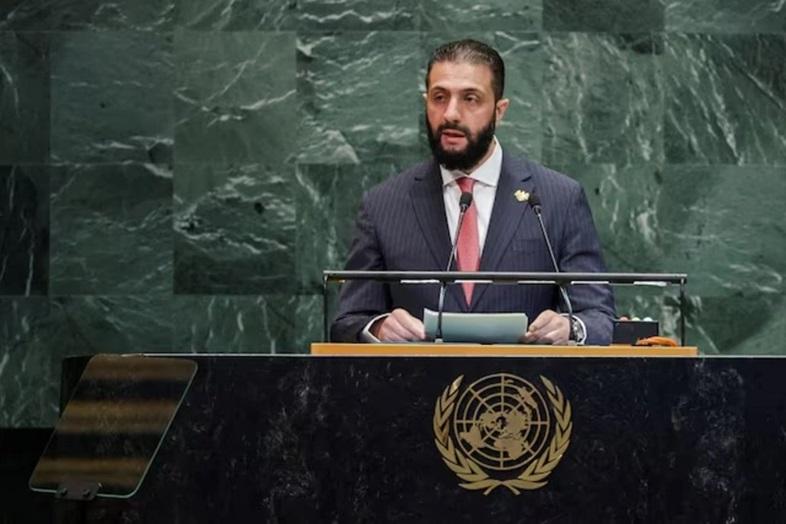
Reports also note the UN vote pattern—14 in favor with China abstaining—around the US‑drafted resolution that removed sanctions. This resolution set the stage for Washington to welcome Syria into the US‑led coalition against ISIS.
Sanctions Rollback and Policy Shift
The normalization push rests on the rapid rollback of international penalties. A US-drafted UN Security Council resolution removed al-Sharaa and Interior Minister Anas Khattab from the ISIL–al-Qaida sanctions list, lifting travel bans and asset freezes. US agencies dropped terrorist designations in parallel.
Several outlets describe this as a significant policy shift ushering in a “new era.” Regional coverage notes that the EU also lifted economic sanctions to bolster Syria’s transition.

China abstained in the UN vote and criticized the US-led process, underscoring geopolitical friction. Russia and others backed the change.
Controversies Surrounding HTS and al-Sharaa
A major point of contention is al‑Sharaa’s and Hayat Tahrir al‑Sham’s (HTS) militant past and current designation status. Several outlets say HTS and al‑Sharaa were removed from US terrorist lists just before the visit. Others stress that UN monitors find no active HTS ties to al‑Qaida even as some argue HTS remains under UN sanctions.
“Syria's President Ahmed al-Sharaa, leader of the rebel group Hayat Tahrir al-Sham (HTS), met with US President Donald Trump at the White House on November 10 in an unprecedented visit.”
Western mainstream and tabloid‑style coverage amplifies allegations about al‑Sharaa’s past, including a prior US bounty and claims he once aligned with ISIS and al‑Qaida. Other reporting foregrounds his transformation into a head of state.
US Sanctions and Policy Debate
Normalization is also playing out in Washington’s domestic politics. The White House meeting came as the administration temporarily waived parts of the Caesar Act, and lawmakers debate permanent repeal. Mainstream outlets detail two competing proposals—one to end sanctions unconditionally and another to repeal them with conditions.
Other reports stress broader congressional efforts to remove 2019 sanctions via the defense authorization process. Several outlets add that Congress may consider further rollbacks as relations thaw.

Syria-Israel Security Talks
Regionally, narratives diverge over Israel and security posture. Tabloid-style reporting says Washington backed al-Sharaa despite Israeli opposition. Gulf outlets suggest growing optimism for a Syria-Israel normalization track, including security arrangements as soon as 2025.
“President Trump pledges support for the new Syrian government, despite opposition from US ally Israel, which has conducted airstrikes in Syria since Assad's fall.”
Separate West Asian reporting says talks include non-aggression elements and a demilitarized zone. These reports also stress there is no official Syrian approval for a sustained US military presence.

Other reports spotlight optics like al-Sharaa playing basketball with US commanders. The US cites Syria’s counterterrorism and chemical-weapons steps as grounds for sanctions relief.