Full Analysis Summary
Nile water mediation offer
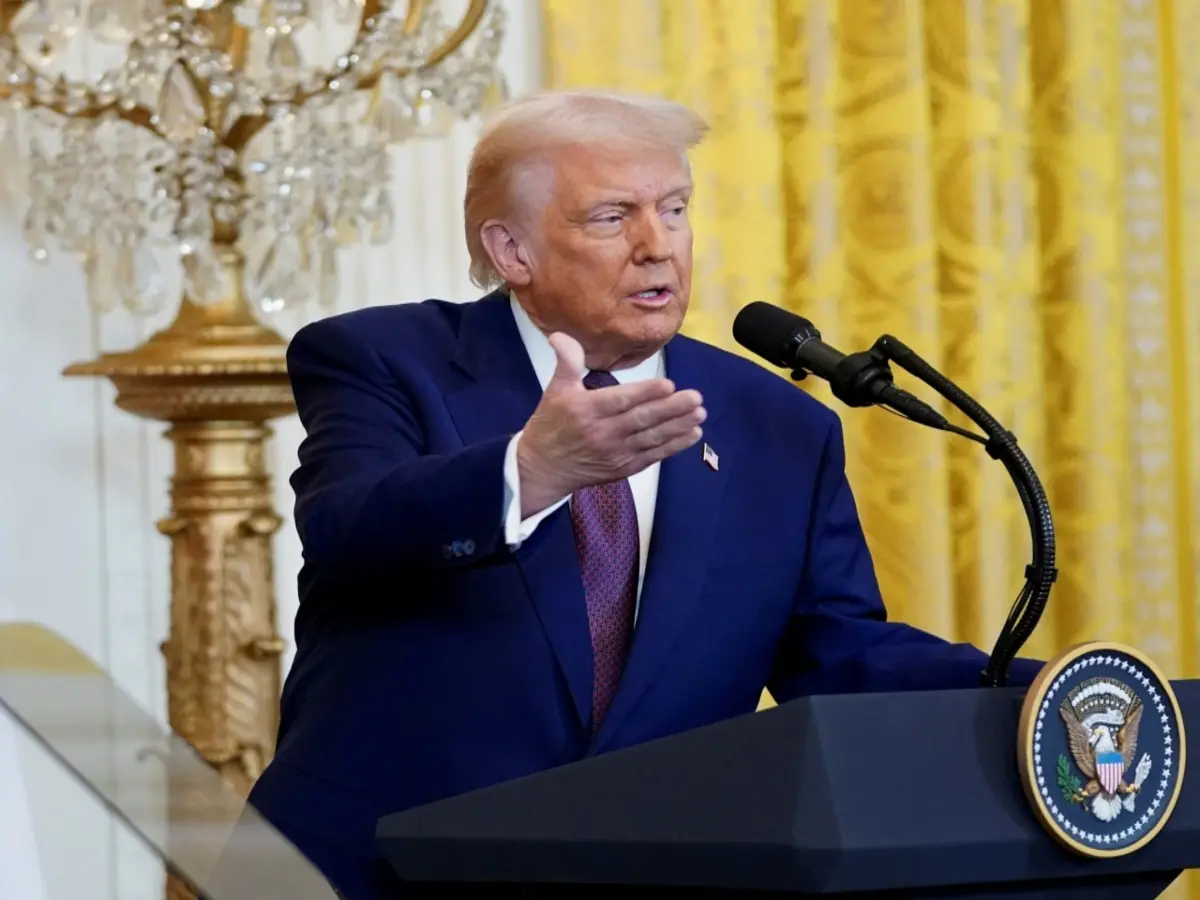
Former U.S. President Donald Trump publicly offered to restart American-led mediation to resolve the long-running Nile water dispute triggered by Ethiopia's Grand Ethiopian Renaissance Dam (GERD).
In a letter to Egyptian President Abdel Fattah el-Sisi posted on Truth Social, Trump said he was 'ready to restart U.S. mediation' and argued that no state should unilaterally control the river's resources.
He proposed U.S. monitoring, technical support and guaranteed drought-time water releases while allowing Ethiopia to produce and potentially sell electricity from the GERD.
The offer was framed as aiming to secure long-term water needs for Egypt, Sudan and Ethiopia and to prevent escalation toward military confrontation.
Coverage Differences
Tone / framing
Some outlets emphasize the diplomatic substance of Trump’s offer — monitoring, predictable releases and power‑sharing — while others frame it in the context of Trump’s personal politics and past claims to peacemaking credit. This reflects different emphases between reporting that focuses on policy proposals and reporting that highlights Trump’s political profile.
Reported proposal details vs. summarised claim
Some sources report detailed proposals (e.g., guaranteed releases during droughts and allowing Ethiopia to sell power), while others provide a briefer summary that stresses readiness to mediate without listing specific measures.
GERD dispute summary
Ethiopia regards the GERD as essential for development and a major boost to power capacity.
Egypt views any upstream control as an existential threat because it depends on the Nile for nearly all its fresh water.
Sudan has expressed safety and security concerns.
Sources report the dam’s inauguration on Sept. 9, 2025 as the proximate trigger for renewed tensions and note the wide gap between Addis Ababa’s development aims and Cairo’s water-security fears.
Coverage Differences
Numeric and descriptive discrepancies
Reports differ on the dam’s cost and capacity and how they characterise its scale: some describe the GERD as a $4 billion project and ‘Africa’s largest hydropower project’, others put the price at $5 billion and cite over 5,000 MW expected output — differences that reflect either rounding or different reporting sources.
Tone / emphasis on threat vs. development
Some outlets foreground Egypt’s existential framing of the dam (e.g., stressing the Nile supplies about 97% of Egypt’s freshwater), while other reports foreground Ethiopia’s development narrative and regional electricity benefits.
Diplomatic anchors for hydropower
Trump’s letter and allied commentary lay out practical elements diplomats could use as negotiation anchors, including technical monitoring and U.S. coordination.
It proposes guaranteed release schedules during droughts and potential arrangements allowing Ethiopia to monetize or share hydropower with downstream neighbours.
The letter was reportedly copied to several regional leaders, including Saudi and UAE heads and top Ethiopian and Sudanese figures, signaling an effort to rally regional buy-in and underscore the dispute’s broader stakes.
Coverage Differences
Source emphasis on regional signalling
Some sources highlight that the letter was shared with Gulf and Horn leaders to underline regional stakes, while others focus instead on domestic U.S. policy instruments (monitoring, technical support) as the main leverage.
Source reporting vs. adviser quotes
Some outlets report Trump's own proposals directly from the letter, while others quote advisers (e.g., Mas'ad Boulos) presenting U.S. capability to prevent conflict — distinguishing between Trump’s written offer and officials’ public framing.
Dam negotiations and challenges
The diplomatic record and past mediation efforts complicate any restart of negotiations.
Several reports note that U.S., World Bank, Russia, UAE and African Union efforts failed to produce a binding trilateral agreement on filling and operating the dam.
Previous U.S. mediation under Trump reportedly collapsed in 2020 when Ethiopia left talks.
Observers and outlets point out that despite repeated rounds of trilateral talks, no enforceable legal accord exists.
That absence helps explain why a renewed U.S. push would face steep political and technical barriers.
Coverage Differences
Attribution of past failure
Some sources stress that multiple international actors have tried and failed (Khaleej Times lists several mediators), while others specifically note a collapse of U.S. mediation in 2020 after Ethiopia’s withdrawal — a more targeted critique of past U.S. efforts.
Reported past rhetoric vs. technical focus
Some reports recall controversial rhetoric from the prior Trump period (e.g., alarming comments about the dam), while others stay narrowly focused on technical, legal and negotiation obstacles — reflecting divergent editorial choices.
Media reactions and regional risks
Coverage is mixed: some outlets portray the move as a potentially meaningful diplomatic intervention combining technical fixes with regional diplomacy, while others emphasize political motives or past controversies related to Trump's interventions.
Several pieces warn the dispute could escalate militarily if mishandled and note the regional stakes after the letter was circulated to Gulf and Horn leaders, underscoring that any mediated solution would need broad buy-in and technical guarantees to be credible.
Coverage Differences
Optimistic vs sceptical framing
Asian and West Asian outlets tend to report the concrete elements of the proposal and regional signalling (e.g., power‑sharing, copied letters), while some Western‑alternative and other outlets highlight Trump’s past political behaviour and credit-seeking — yielding a gap between policy detail and political framing.
Focus on risk signalling
Several outlets explicitly warn of the danger of escalation and cite U.S. advisers or Trump’s letter language urging prevention of military confrontation — a consistent caution across diverse source types.