South America12 January, 20262 min read
Trump Orders Blockade of Venezuelan Oil and Funds to Cuba, Threatens Regime Change
Trump ordered a halt to Venezuelan oil and financial flows to Cuba Trump warned Cuba to make a deal with the United States or face unspecified consequences

24 outlets told this the same way.
Outlets did split on Alexandre de Moraes Orders Eduardo Bolsonaro Arrest, Cancels Passport, Enforces Four-Year Sentence →
Trump reaction to Venezuela operation
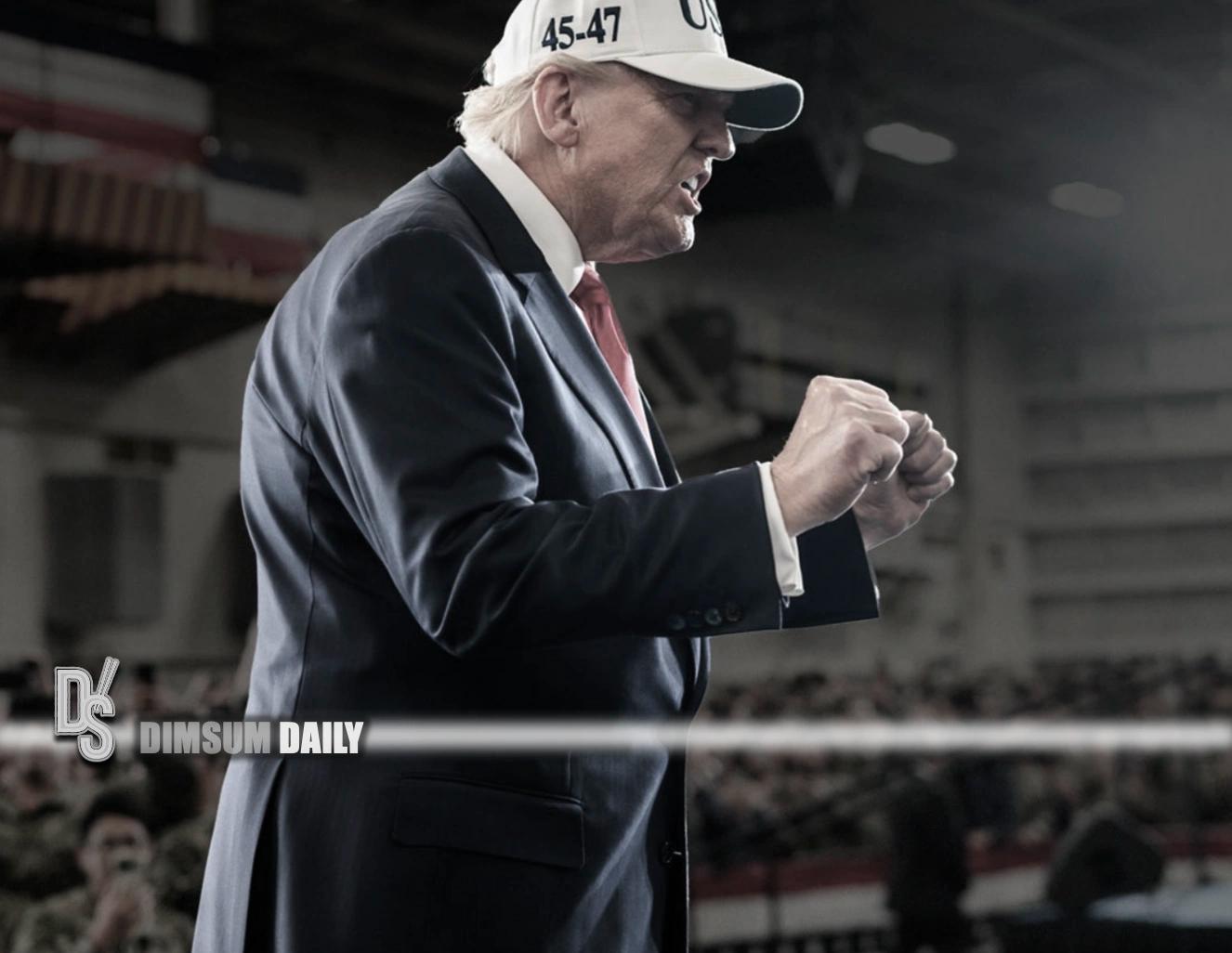
On January 3, a U.S. operation in Caracas that critics described as seizing Venezuelan president Nicolás Maduro triggered a sharp escalation in rhetoric from former U.S. president Donald Trump.
“There will be no more oil or money going to Cuba – zero!’”
Trump used Truth Social to warn Cuba to 'make a deal' or face the end of Venezuelan oil and funds, declaring 'THERE WILL BE NO MORE OIL OR MONEY GOING TO CUBA – ZERO!'; he also reposted a message suggesting U.S. Secretary of State Marco Rubio could become Cuba’s president and claimed many Cuban security personnel had been killed in the operation.

Reporting across outlets ties Trump’s posts directly to the prior U.S. action in Venezuela and notes he did not specify what measures he would take if Havana did not comply.
Venezuelan oil to Cuba
Evidence and shipping data cited by multiple outlets indicate Venezuelan oil flows to Cuba have effectively stopped since the Caracas operation.
The halt amplifies Havana's immediate economic vulnerability.
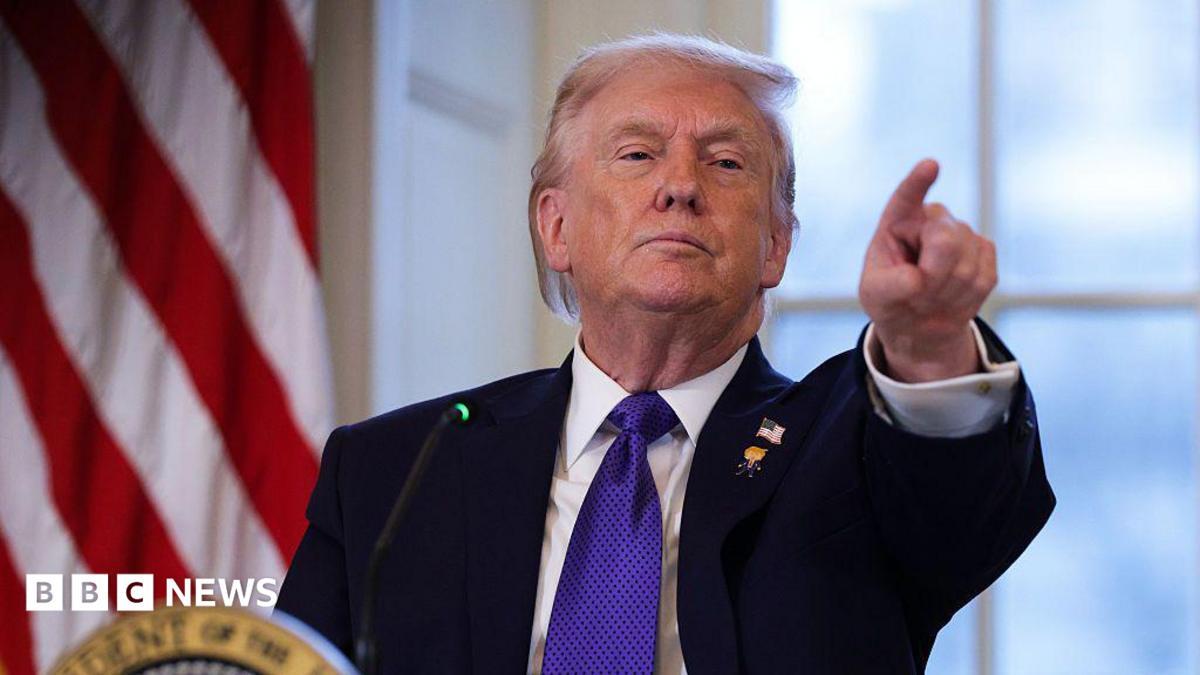
Shipping data and PDVSA documents show no tankers have departed Venezuela for Havana since the Jan. 3 action.
Last year Venezuela still sent roughly 26,500 barrels per day - about half of Cuba's fuel shortfall - while Mexico supplied smaller volumes but had not increased deliveries.
Several reports note that U.S. actions, including seizures of sanctioned tankers, and a newly tightened blockade are directly linked to the halt in shipments.
Cuba's reaction and casualties
Havana's official response was defiant: President Miguel Díaz-Canel and Foreign Minister Bruno Rodríguez rejected U.S. threats and insisted Cuba is "a free, independent and sovereign nation." They denied that Havana was paid for security services and warned that cutting Venezuelan oil would deepen an already severe economic crisis marked by blackouts, shortages and weak tourism.
“Cuban President Miguel Díaz-Canel sharply rejected the threats, saying Cuba is ‘a free, independent and sovereign nation’ whose people are ‘ready to defend the homeland to the last drop of blood,’ and Foreign Minister Bruno Rodríguez defended Cuba's right to import fuel from willing exporters despite the U.S. embargo.”
Cuba also reported casualties from the Caracas operation, citing the deaths of about 32 Cuban service members. That figure was repeated by multiple news outlets and amplified in social media posts by Trump.
International reactions to Cuba
Reactions across the region and internationally are mixed and display contrasting narratives. China has urged respect for sovereignty and non‑interference to avoid escalation. Some mainstream Western outlets, including the BBC and Le Monde.fr, describe a broader U.S. policy escalation involving sanctions and hawkish military rhetoric.
Western alternative and antiwar outlets such as Responsible Statecraft and news.antiwar warn that cutting oil or predicting Cuba’s collapse has repeatedly failed historically and could backfire. Those outlets argue economic pain alone rarely produces a sustained, organized opposition capable of toppling Havana’s government. Observers also note growing regional anxiety and call for avoiding further military intervention.