USA30 October, 20252 min read
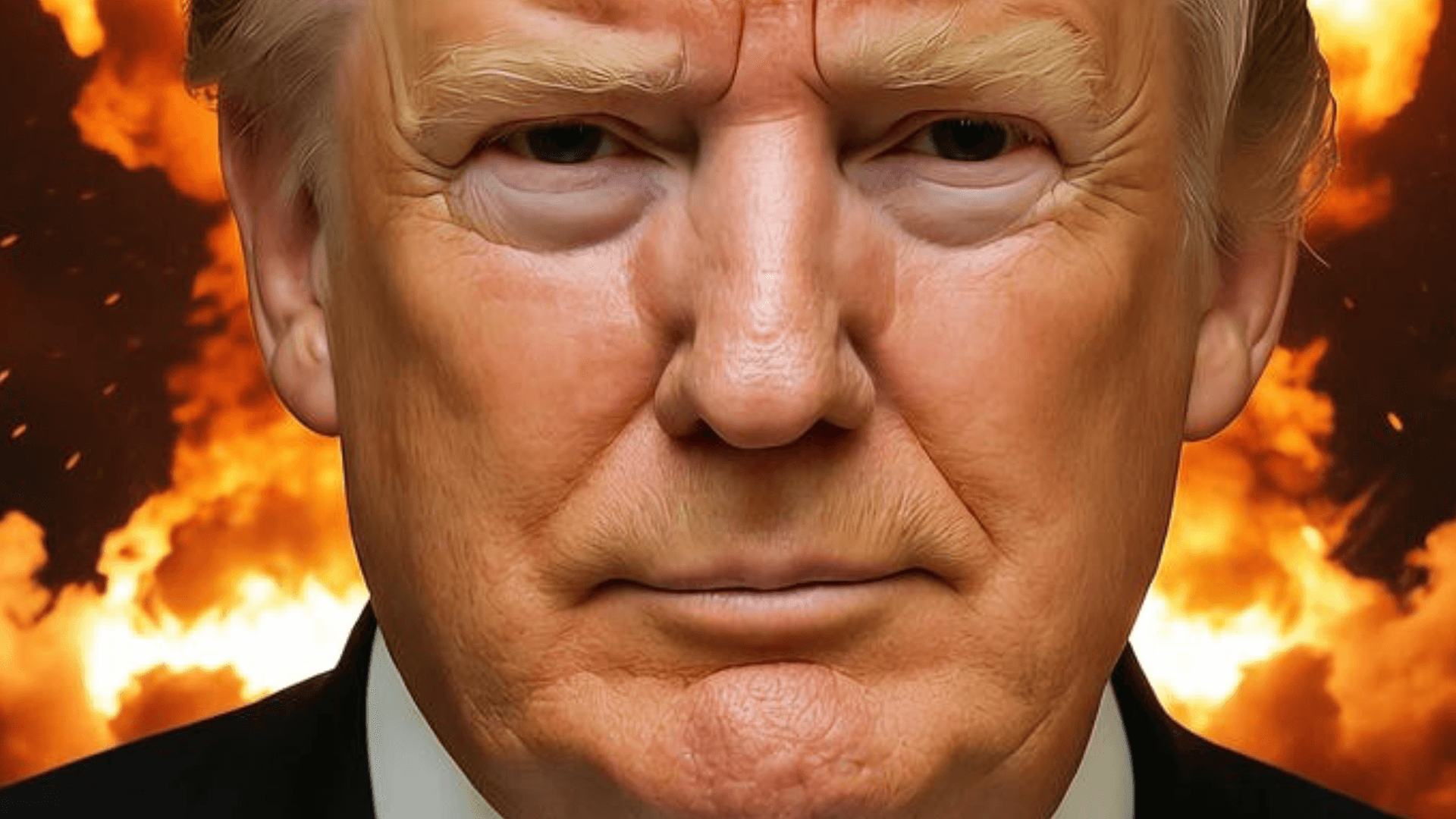
Trump Orders Immediate Resumption of US Nuclear Weapons Testing to Counter China and Russia
Trump ordered immediate resumption of US nuclear weapons testing after 33-year moratorium. The order aims to match and counter nuclear advancements by China and Russia.

46 outlets told this the same way.
Outlets did split on Trump Interrupted by Protesters at San Antonio Rally for Ken Paxton →
US Nuclear Testing Resumption
Former US President Donald Trump announced that he has directed the Pentagon to immediately resume U.S. nuclear weapons testing to match Russia and China. He invoked a need to test on an equal basis. The declaration came just before his in-person meeting with China’s Xi Jinping in Busan, South Korea.
“US President Donald Trump announced on October 30, 2025, that he has directed the Pentagon to immediately resume nuclear weapons testing to match the capabilities of Russia and China.”
Multiple outlets tie the move to recent Russian demonstrations of nuclear capabilities such as the Poseidon nuclear-powered torpedo and the Burevestnik cruise missile. Several sources note the United States has not conducted a full nuclear explosive test since 1992. Together, these reports frame the announcement as both a strategic signal toward Moscow and Beijing and a dramatic break with decades of U.S. nuclear testing restraint.
Uncertainty Around Nuclear Testing
Key details of Trump’s directive remain unclear across reports. Several outlets quote his phrase about testing “on an equal basis,” but note uncertainty over whether the order implies live nuclear detonations or simulated/subcritical experiments, and where any tests would occur.
Coverage also diverges on whether Russia and China have recently conducted nuclear explosive tests. Some highlight recent Russian trials of nuclear-capable systems, while others stress that neither country is known to have detonated a nuclear device since 1992.
Nuclear Arsenal and Global Deterrence
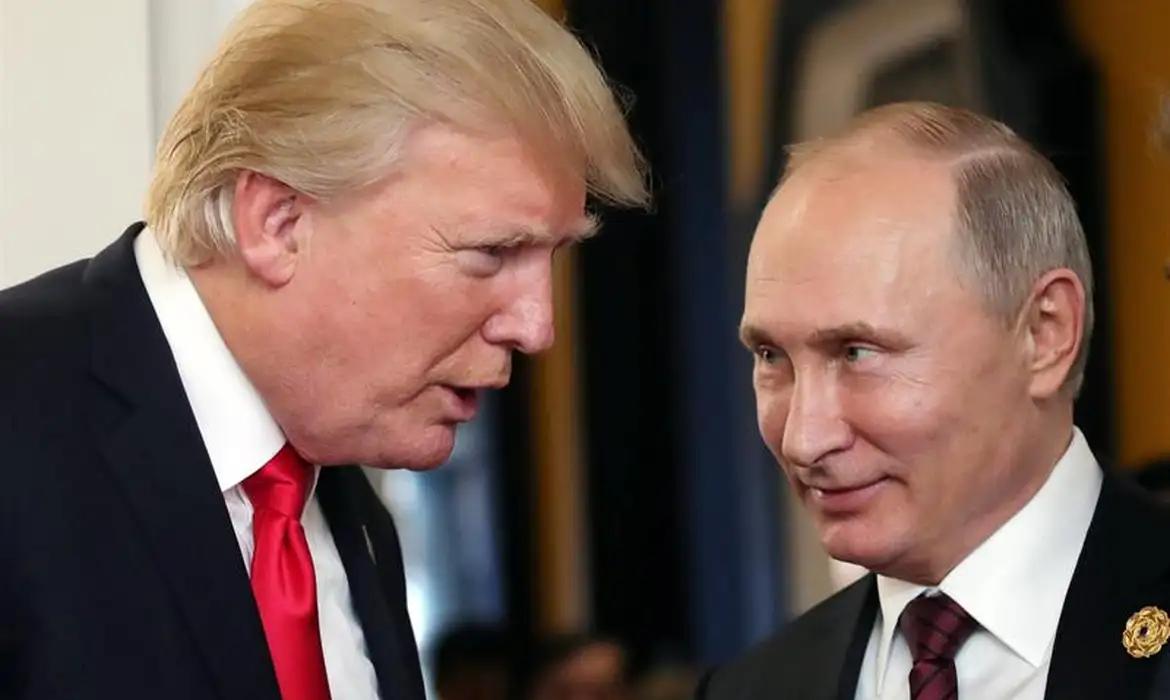
Trump’s justification centers on maintaining parity and deterrence as Russia showcases novel nuclear-capable systems and China’s arsenal grows. Several outlets report Trump’s assertion that the U.S. has the largest arsenal, modernized in his first term, with Russia second and China third but potentially catching up within five years.
“He stated that Russia ranks second in nuclear capabilities, with China a distant third but expected to catch up within five years.”
Some also relay his recent saber-rattling toward Moscow. Others highlight Chinese claims of technological superiority and ongoing nuclear rearmament trends worldwide.
Nuclear Arms Control Challenges
Arms control and nonproliferation implications loom large. Reportage highlights that the U.S. has observed a voluntary moratorium since 1992. The Senate never ratified the Comprehensive Nuclear-Test-Ban Treaty (CTBT).
Analysts warn that resuming tests could erode global norms and spur an arms race. Some coverage situates this issue amid broader treaty strain, including the troubled New START framework. Others note that, in the absence of explosive tests, the U.S. has sustained its arsenal through subcritical experiments.

U.S.-China Relations and Media Reactions
Diplomatically, many outlets connect the timing to efforts to stabilize U.S.–China relations amid trade tensions, even as the announcement amplifies security frictions. Reports describe the Busan summit as aiming to cool the trade war and address issues like tariffs, soybeans, and rare earths.
“The meeting in Busan, South Korea, comes after productive preparatory talks, with Trump expressing optimism about resolving many trade issues, including tariffs and China’s purchase of American soybeans.”
Some coverage widens the scope to human rights and unrelated domestic stories. Other reports also feature supportive political commentary on the testing move, underscoring polarized reactions across media ecosystems.