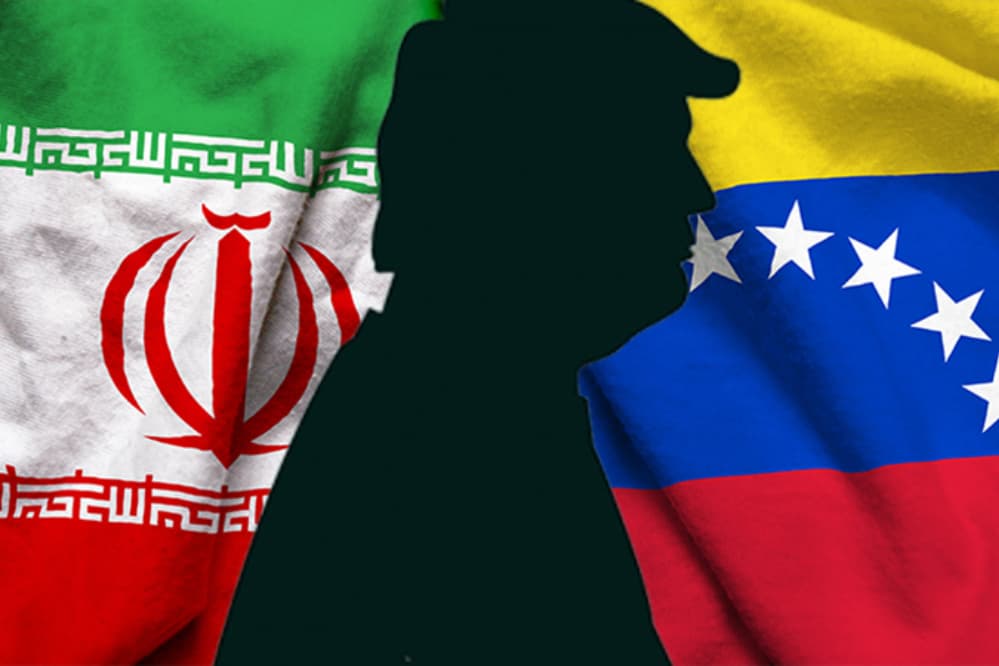
Trump orders major combat operations as U.S. strikes Iran
Key Takeaways
- U.S. launched major combat operations against Iran, escalating the conflict.
- Markets warn of turbulence and international tension following the strikes.
- Trump ties Iran actions to Venezuela precedent, highlighting leadership influence rhetoric.
U.S. Combat Operations Begin
President Donald Trump has confirmed that the United States has launched 'major combat operations' in Iran.
“Market watchers are bracing for turbulence after the U”
The U.S. military has targeted several ministries in the southern part of Tehran.

This information comes from an unidentified Iranian official quoted by Reuters.
The announcement marks a significant escalation in Middle East tensions.
Trump's statement has triggered widespread concern about potential broader conflict.
The White House has framed these operations as a response to ongoing hostilities.
The specific strategic objectives remain unclear amid evolving military and political dynamics.
Market Turbulence Expected
Financial markets are bracing for significant turbulence following the announcement of U.S. military operations in Iran.
Analysts warn that the geopolitical consequences could far exceed recent regional conflicts.
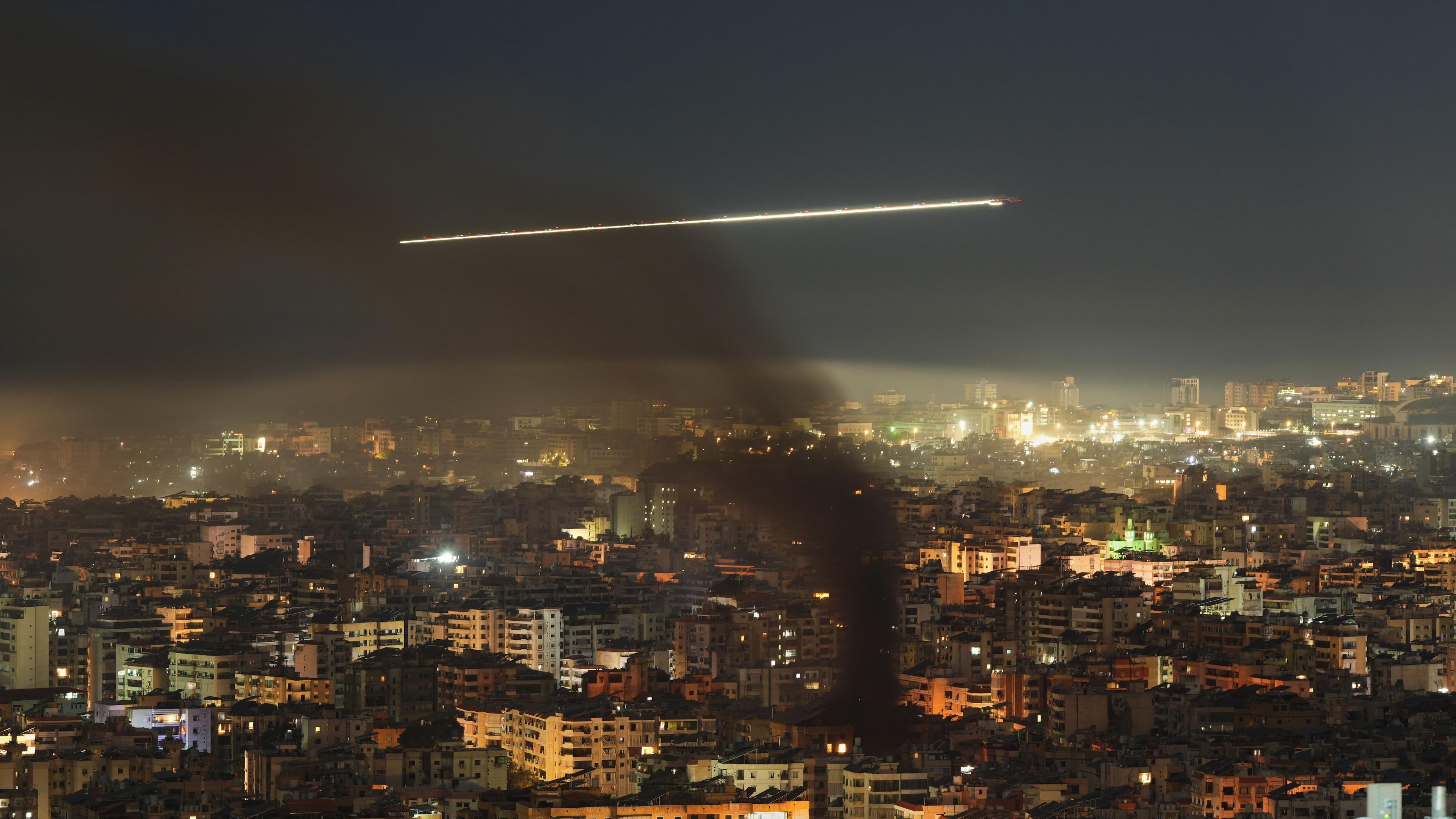
Market watchers emphasize that Iran represents much greater risk than the recent Venezuelan situation.
One investment manager described it as a 'chokepoint story' rather than merely a production issue.
The Strait of Hormuz is through which approximately 13 million barrels of crude oil transit daily.
This accounts for 31% of global seaborne crude flows according to market intelligence firm Kpler.
The strategic waterway has become a focal point of concern for energy markets and global supply chains.
Regional Military Escalation
The escalation has triggered significant military responses across the region.
“Noor News - Political Group: The US military attack on Venezuela and the latest developments in this country, together with the abduction of its legally elected president by American troops, and the simultaneity of this event with Donald Trump’s explicit threats against Iran, has once again directed attention to the pattern of behavior of the US president in confronting international crises”
Hezbollah accuses Israel of launching a 'premeditated war' against Lebanon.
Lebanese Hezbollah leader Naim Qassem warned that Israel has repeatedly violated ceasefire agreements.
Qassem declared that 'our option is confrontation and resistance until the end.'
Iran has launched missiles toward Israel without causing casualties according to initial assessments.
The Israeli military has responded by bombing Hezbollah infrastructure in Beirut.
Attacks damaged medical facilities and caused civilian casualties.
The Lebanese death toll stands at 72 and 437 wounded, alongside 84,000 displaced persons.
Diplomatic Reactions
International reactions to the military operations have been sharply divided.
Iran condemning what it calls 'double standards' in European and Western responses.
Iranian Foreign Ministry spokesman Esmaeil Baqaei lambasted the European Union for 'hypocrisy and double standards'.
This came after EU High Representative Kaja Kallas condemned Tehran's attacks.
Baqaei asserted that Iran is striking military assets used against it, not indiscriminately attacking neighbors.
Kallas countered that Iran's attacks are contributing to 'its own disappearance'.
She urged not to lose focus on the war in Ukraine despite the Middle East escalation.
Strategic Analysis
Strategic analysts are examining Trump's approach to international crises.
“Summary of the March 5 attack on Iran: Trump vows to be involved in selecting Iran's future leader, 'as with Delcy in Venezuela' — Spain joins other European countries and sends a frigate to Cyprus after the Iranian attack”
Trump is suggested to employ 'shock,' 'threat,' and 'ambiguity' as primary tools.
He is viewed less as a classical military strategist and more as a politician.
The approach leverages dramatic pronouncements for political and media narrative construction.
Analysis highlights fundamental strategic difference between Venezuela and Iran.
Venezuela is described as a 'low-cost target' with lack of regional deterrence.
Iran represents a 'high-risk scenario' with significant military capabilities.
Iran's network of allies could transform military action into multidimensional crisis.
More on South America
Nuevitas thermoelectric plant triggers Cuba's second nationwide blackout in less than a week
30 sources compared
.jpg&w=3840&q=75)
United States Oil Blockade Triggers Cuba's Second Nationwide Blackout
125 sources compared
Colombia’s Petro Accuses Ecuador of Bombing Near Border
11 sources compared
President Trump Offers Missiles to Latin America to Destroy Cartels
54 sources compared