
Trump Orders Naval Blockade of Strait of Hormuz, Halts Tanker Traffic
Key Takeaways
- Trump ordered a naval blockade of the Strait of Hormuz.
- Blockade risks global energy shock and major-economy damage.
- Pakistan mediates to bring US and Iran back to talks.
US Blocks Hormuz
President Donald Trump ordered a naval blockade of the Strait of Hormuz on April 13, 2026.
“The standoff between the United States and Iran deepened Tuesday as the U”
The blockade targeted vessels of all nations entering or departing Iranian ports and coastal areas.

The blockade came after 21 hours of weekend negotiations between Washington and Tehran collapsed.
Tanker traffic through the strait came to a halt again within hours of Trump's announcement.
The blockade also risks drawing the world's second-largest economy into the confrontation.
Economic Impact
The blockade threatened to deepen the world's worst energy crisis.
Crude oil prices surged more than 8% on the news.
The International Energy Agency called the disruption the worst energy shock the world has ever seen.
The IMF and World Bank signaled they would downgrade global growth forecasts.
The blockade could remove from the global market the 1.8 million barrels of crude Iran had been exporting each day.
Global Reactions
The Iranian Consulate in Mumbai mocked the United States blockade stance by praising Indian memes as GOAT.
France refused to participate in protecting ships in the Strait of Hormuz until the war stops.
Germany declared it’s not our war and we didn’t start it.
The NATO crisis reemerged as Trump described NATO as cowards.
The European Union warned that continuing military operations could directly threaten European security.
Economic and Market Effects
The Iranian stock market paused and fell from about 4.5 million units to 3.9 million.
Capital moved toward assets with greater liquidity.
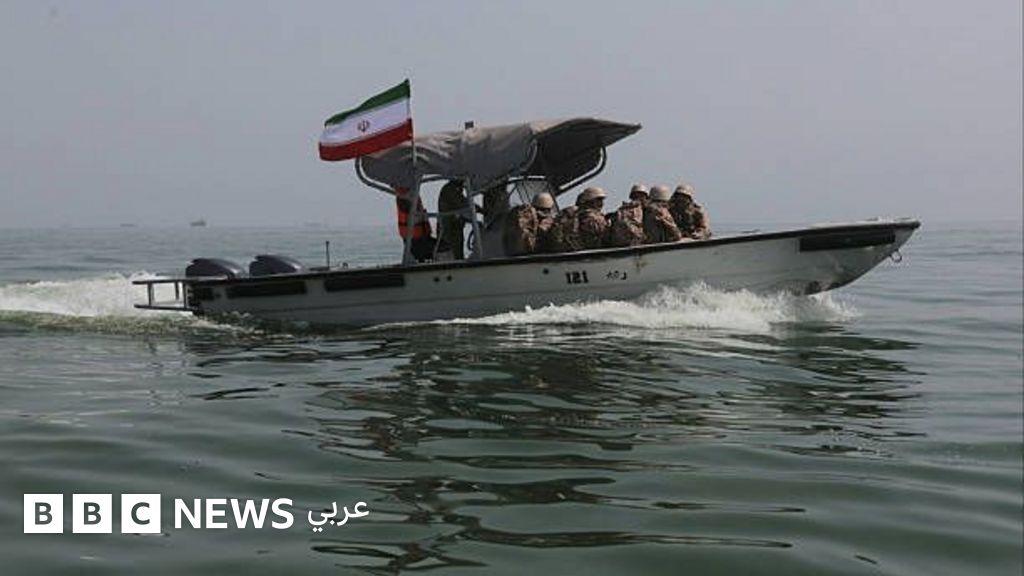
The government’s move to eliminate the preferential exchange rate was favorable for some industries.
Real estate showed signs of movement as stability returned.
More on Iran
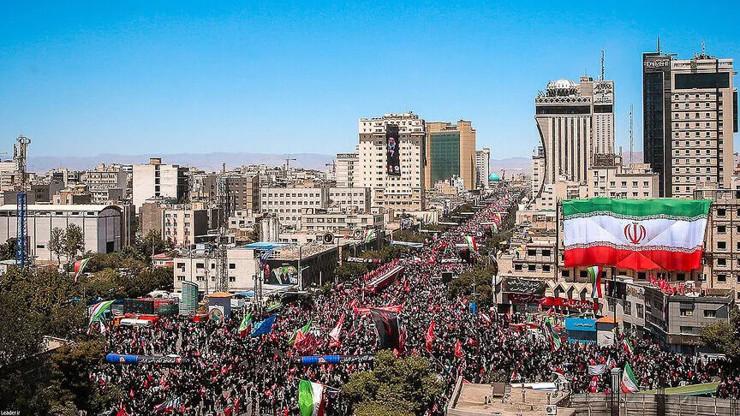
Israeli Strike Kills Ayatollah Ali Khamenei, Buried at Imam Reza Shrine in Mashhad
19 sources compared
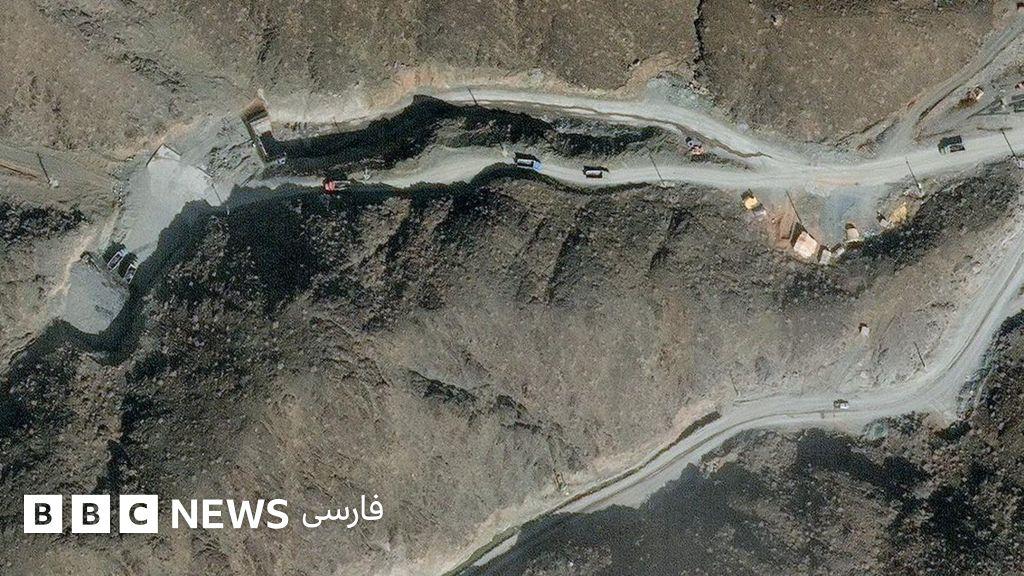
Iran Attempts To Restore Nuclear Sites Damaged In US And Israel Strikes, CNN Satellite Images Show
15 sources compared
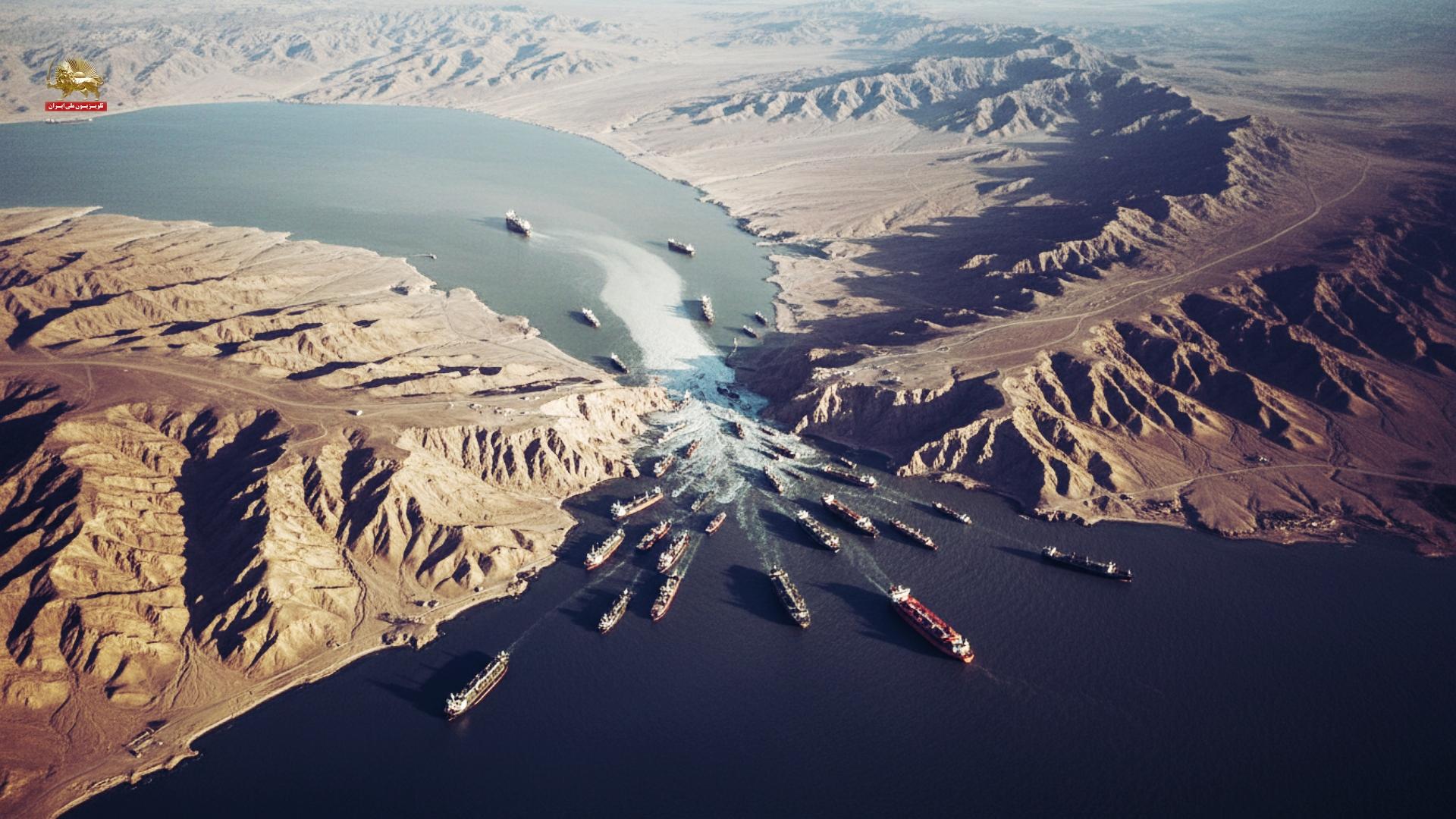
Abbas Araghchi and Prince Faisal Bin Farhan Discuss Regional Developments After US Attacks
11 sources compared

Trump Says U.S. Agreed to Continue Iran Talks, Ceasefire Is Over
19 sources compared