Trump Orders Partial US Troop Evacuation From Middle East Amid Escalating Threats With Iran

Trump Orders Partial US Troop Evacuation From Middle East Amid Escalating Threats With Iran

12 June, 20258 sources compared
Other

Key Points from 8 News Sources

  1. 1

    Trump ordered partial withdrawal of non-essential US personnel from the Middle East.

  2. 2

    US Central Command monitors escalating tensions and potential threats from Iran.

  3. 3

    US diverted counter-drone weapons from Ukraine to Middle East amid rising threats.

Full Analysis Summary

US-Iran Tensions and Evacuations

Amid escalating tensions with Iran and intelligence reports of possible Israeli strikes on Iranian nuclear sites, President Donald Trump ordered a partial evacuation and repositioning of U.S. personnel across the Middle East.

The State Department is preparing ordered departures for non-essential staff from embassies in Iraq, Bahrain, Kuwait, and the consulate in Erbil.
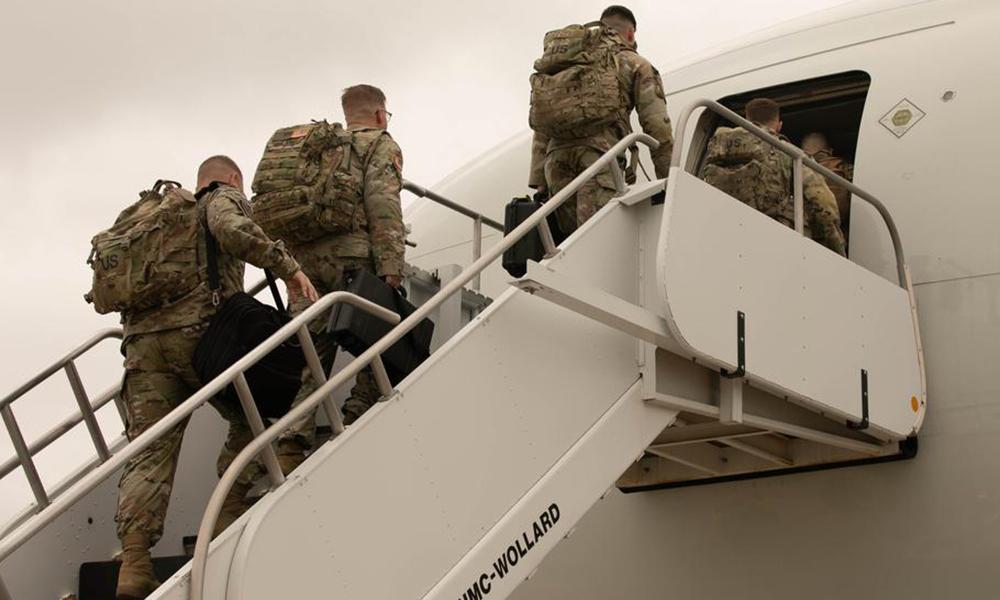
The U.S. embassy in Baghdad is preparing for an ordered evacuation, and military dependents are authorized to leave certain locations.

CENTCOM is closely monitoring the situation and has delayed Gen. Michael Kurilla’s congressional testimony as the U.S. reduces its footprint and raises readiness.

Iran has warned of retaliation against U.S. bases if attacked, underscoring the risk of rapid escalation.

The White House stresses it will not allow Iran to obtain a nuclear weapon.

Coverage Differences

narrative

CNN (Western Mainstream) frames the moves as precautionary and process-driven, emphasizing CENTCOM monitoring and the postponement of Gen. Michael Kurilla’s testimony, while The War Zone (Western Mainstream) emphasizes heightened military readiness, base alerts, and dependents’ departures. Firstpost (Asian) focuses on the ordered repositioning and notes Iraq reports no immediate security threats, adding regional context, whereas Ariana News (Other) highlights oil price reactions and Trump’s hard line on preventing an Iranian nuclear weapon.

tone

Ariana News (Other) adopts a market-and-risk tone by tying the move to a “rise in oil prices,” whereas CNN (Western Mainstream) maintains an institutional tone about precautionary measures. The War Zone (Western Mainstream) adopts an operational/technical tone about readiness and base posture. Firstpost (Asian) presents a region-wide security lens while noting official Iraqi reassurances.

contrast/ambiguity

Firstpost (Asian) and CNN (Western Mainstream) note that Iraqi officials downplayed immediate local threats even as the U.S. prepared evacuations and reductions in footprint, highlighting ambiguity between local assessments and U.S. risk calculus.

missed information

Only Ariana News (Other) explicitly connects the U.S. moves to a rise in oil prices, a detail absent from CNN, Firstpost, and The War Zone coverage.

US Concerns Over Iran and Israel

A key driver of the U.S. posture is concern that Israel may be preparing strikes on Iran’s nuclear facilities, a scenario that U.S. intelligence has reportedly flagged.

CNN reports that President Trump urged Israeli Prime Minister Benjamin Netanyahu to avoid talk of attacking Iran even as CENTCOM stayed on heightened watch and delayed Gen. Kurilla’s testimony.

Firstpost likewise ties the repositioning to concerns over potential Israeli strikes.

The War Zone reports Israel is also reportedly preparing for potential strikes while noting that Trump has been presented with military options if talks fail.

The National News, while noting Trump’s firm stance that Iran must not be allowed to develop nuclear weapons, broadens its lens to include ongoing Israeli strikes on Gaza and regional diplomacy.

This reflects a wider regional context alongside the Iran crisis.

Coverage Differences

narrative

CNN (Western Mainstream) centers U.S. diplomatic messaging—reporting that Trump urged Netanyahu to avoid attack talk—while The War Zone (Western Mainstream) emphasizes operational options and Israeli preparations. Firstpost (Asian) links U.S. moves to potential Israeli strikes as a primary driver. The National News (Western Alternative) situates Trump’s stance within a broader regional narrative including Gaza and UAE-Israel diplomacy.

tone

CNN (Western Mainstream) uses cautious language about what Trump “reportedly urged,” indicating sourcing and uncertainty, while The War Zone (Western Mainstream) adopts a more assertive operational tone about preparations and options. The National News (Western Alternative) expands to cultural and diplomatic themes, softening the immediate crisis tone relative to operational reporting.

unique/off-topic coverage

The National News (Western Alternative) uniquely folds in non-Iran-related items—like the opening of the Grand Egyptian Museum and cultural exhibitions—while others remain tightly focused on the Iran-Israel-U.S. security thread.

Iran-US Conflict Warnings

Tehran’s response has been blunt: Iranian officials warn that if negotiations fail or if Iran is attacked, conflict could force the U.S. to leave the region.

They also state that U.S. bases within reach would be targeted.

Ariana News reports that Iran warned it would retaliate against U.S. bases if attacked.

Firstpost says Iran has warned of strong retaliation against any attacks on its territory.

CNN quotes Iranian Defense Minister Brigadier General Aziz Nasirzadeh warning that the failure of talks could lead to conflict, threatening U.S. bases within reach.

Against this, Trump’s position is clear across outlets: the U.S. will not allow Iran to obtain a nuclear weapon.

This stance is echoed in The National News’ summary of his firm line.

Coverage Differences

tone

Ariana News (Other) and Firstpost (Asian) present Iran’s threats in stark terms—“retaliate” and “strong retaliation”—while CNN (Western Mainstream) frames them within conditional diplomatic failure and broader U.S. concerns, attributing the warnings to Iran’s defense minister. The National News (Western Alternative) emphasizes Trump’s firm anti-nuclear stance rather than detailing Iran’s threats.

narrative

CNN (Western Mainstream) integrates Iran’s threats into a diplomatic narrative about stalled nuclear talks and U.S.-Israeli dynamics, while Ariana News (Other) connects the escalation to market impacts and general instability; Firstpost (Asian) foregrounds regional repositioning and the U.S. travel advisory update alongside Iran’s warnings.

missed information

Only CNN (Western Mainstream) attributes the warnings to a named Iranian official and specifies the scope—bases within reach and a forced U.S. departure—while Ariana News and Firstpost summarize broader retaliation without the same attribution detail.

U.S. Military and Diplomatic Actions

Operationally, U.S. commands and diplomats are moving in tandem.

CENTCOM is coordinating with the State Department and allies as dependents are authorized to leave.

Bases are heightening alert levels.

Baghdad’s embassy is preparing for an ordered evacuation.

CNN reports that the U.S. is reducing its footprint and that Kurilla’s testimony was postponed.

Firstpost details staff relocations across Bahrain and Kuwait and notes the updated travel advisory.
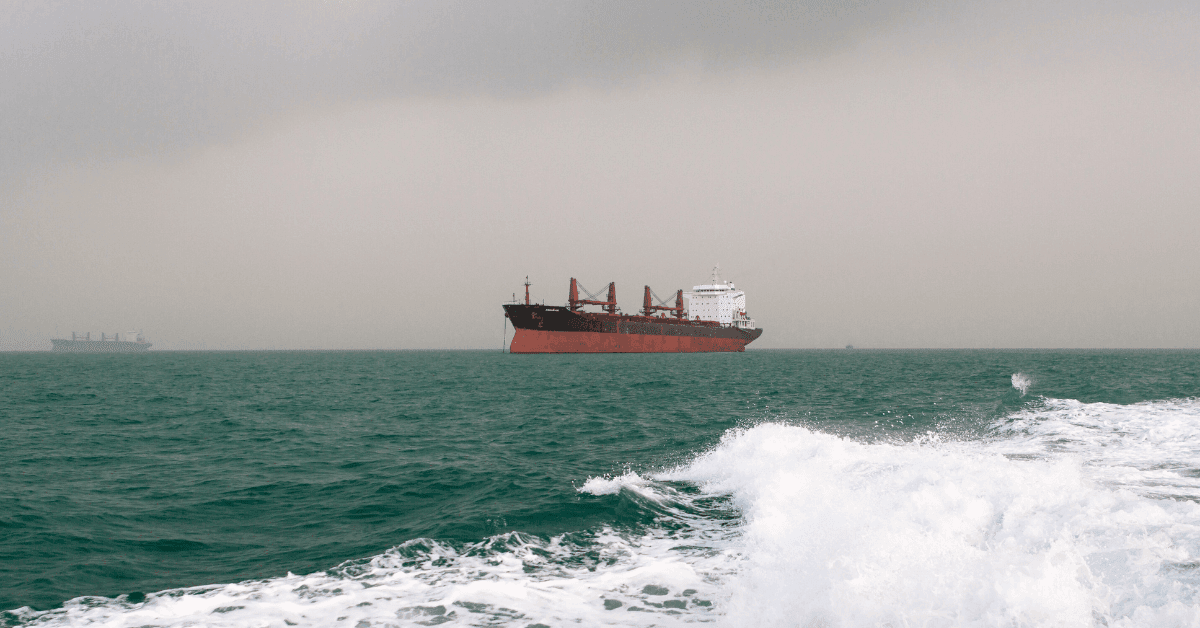
The War Zone provides detailed information on posture, including high alert at the Navy’s Bahrain base and a focus on defenses like APKWS II laser-guided rockets.

Ariana News reiterates that military dependents can depart Bahrain and Kuwait amid increased danger.

Coverage Differences

unique/technical focus

The War Zone (Western Mainstream) uniquely highlights tactical specifics—like the strategic value of APKWS II rockets—while CNN (Western Mainstream) emphasizes institutional processes, and Firstpost (Asian) and Ariana News (Other) focus on relocations and dependents’ departures.

tone

CNN (Western Mainstream) presents a cautious, bureaucratic tone around reducing the U.S. footprint, whereas The War Zone (Western Mainstream) stresses heightened readiness and base alerts. Firstpost (Asian) balances both by noting relocations and readiness to assist; Ariana News (Other) ties operational moves to rising danger.

missed information

Only Firstpost (Asian) explicitly mentions the State Department’s travel advisory update; this administrative detail is not highlighted in Ariana News or The War Zone’s operational reporting.

Regional Crisis and Reactions

The broader implications are immediate and uneven across the region.

Ariana News notes the moves have contributed to a rise in oil prices.

Both Firstpost and CNN report that Iraqi officials downplayed immediate local threats even as Washington draws down non-essential staff and updates advisories.

The National News underscores Trump's unyielding nuclear red line but devotes significant space to parallel regional storylines—ongoing Israeli strikes on Gaza, UAE-Israel diplomacy, and cultural events—reflecting an editorial scope that stretches beyond the Iran flashpoint.

Together, the sources depict a fast-moving crisis in which U.S. planners brace for potential escalation, Israel weighs military options, Iran threatens direct retaliation, and markets and embassies react in real time.
Coverage Differences

missed information

Only Ariana News (Other) links the U.S. posture to immediate oil price effects, a market angle not present in CNN (Western Mainstream), Firstpost (Asian), or The War Zone (Western Mainstream).

contrast/ambiguity

Firstpost (Asian) and CNN (Western Mainstream) both report Iraqi officials downplayed security threats even as the U.S. pulled back staff, highlighting a gap between local assessments and U.S. risk posture.

unique/off-topic coverage

The National News (Western Alternative) diverges by combining Trump’s Iran stance with coverage of Israeli strikes on Gaza and cultural stories, broadening the frame beyond the immediate U.S.-Iran-Israel security triangle.

All 8 Sources Compared

Ariana News

US to pull some personnel from the Middle East amid rising tensions with Iran

Read Original

CNN

US withdraws some diplomats and military families from Middle East amid Iran tensions

Read Original

Firstpost

Why is Trump pulling limited troops from West Asia? Where does US have military presence in the region?

Read Original

Marine Insight

UK Warns Ships Of Imminent Military Threat In Gulf Waters Amid Rising Tensions

Read Original

Middle East Eye

Trump envoy Massad Boulos to visit Libya amid rising tensions, sources say

Read Original

PressTV

Putin warns of reciprocal measures if US resumes nuclear weapons testing

Read Original

The War Zone

Counter-Drone Weapons Diverted From Ukraine To Middle East Amid Rising Tensions, Hegseth Confirms

Read Original

thenationalnews

US to pull personnel from the Middle East amid rising tensions with Iran

Read Original