Trump Orders Pentagon To Withdraw 5,000 Troops From Germany Over Iran Spat With Merz
Key Takeaways
- Pentagon confirms roughly 5,000 U.S. troops to withdraw from Germany within 6 to 12 months.
- Withdrawal follows Trump's threat amid a dispute with Chancellor Merz over Iran war.
- NATO and allied partners are evaluating details of the move.
5,000 Troops, Germany
The United States will withdraw about 5,000 troops from Germany over the next six to 12 months, a Pentagon decision that immediately fed friction between Washington and European partners.
“Based on facts observed and verified directly by our reporters or by informed sources”
The Pentagon spokesman Sean Parnell said in a statement that the “decision follows a thorough review of the Department’s force posture in Europe and is in recognition of theatre requirements and conditions on the ground,” and the BBC reported that “We expect the withdrawal to be completed over the next six to twelve months.”
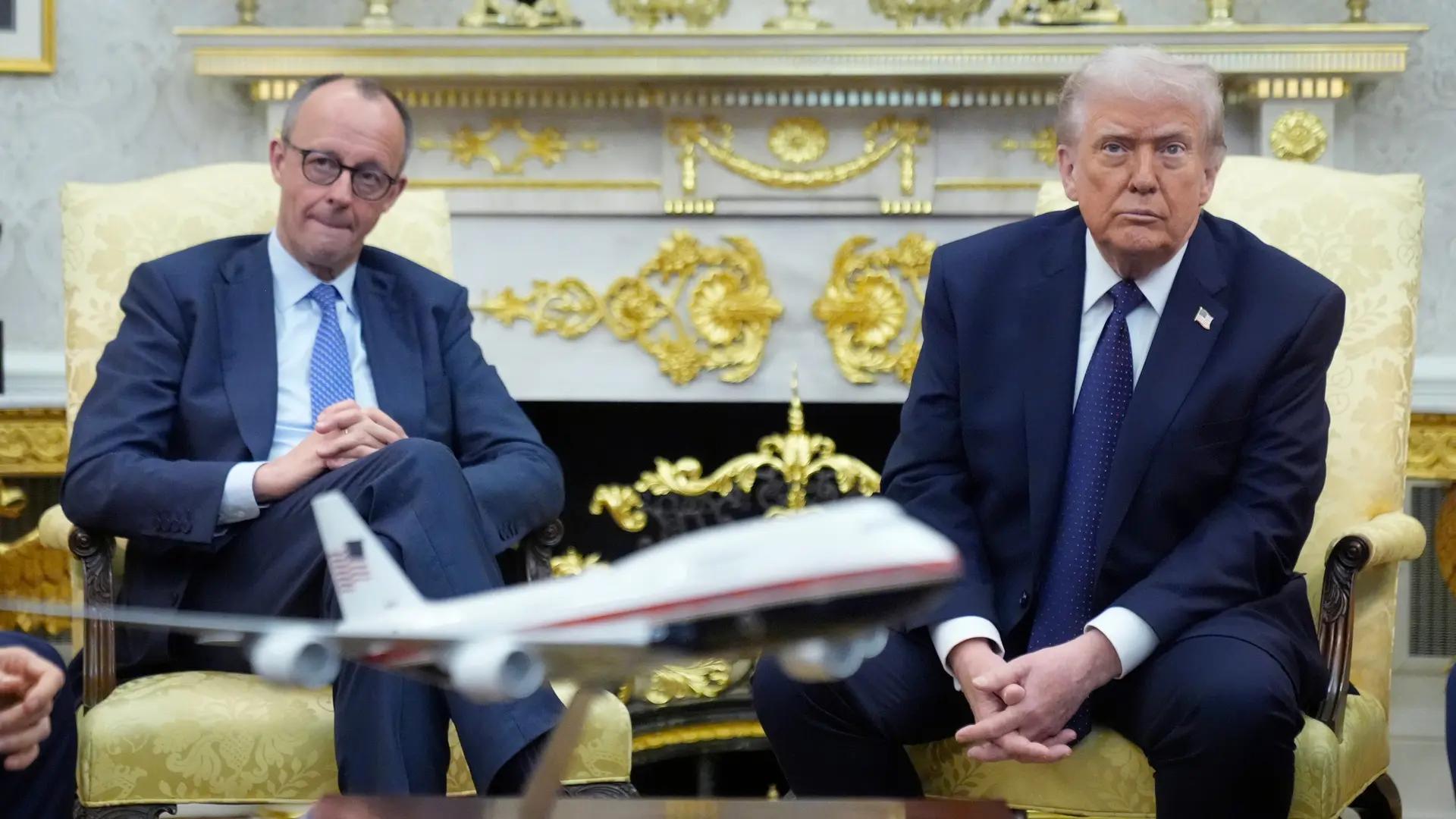
The drawdown was framed by multiple outlets as part of President Donald Trump’s broader pressure campaign on allies over the war with Iran, after he clashed with German Chancellor Friedrich Merz.
The BBC described the move as coming “amid a spat between President Donald Trump and German Chancellor Friedrich Merz over the war with Iran,” and it tied the decision to Merz’s earlier remark that the U.S. had been “humiliated” by Iranian negotiators.
Germany’s defense minister Boris Pistorius told the German Press Agency in Berlin that “the presence of American soldiers in Europe, and particularly in Germany, is in our interest and in the interest of the US,” while also saying it was “foreseeable” that the U.S. would withdraw troops from Europe, including Germany.
The Boston Globe put the scale in context, saying a pullout of 5,000 soldiers from Germany would amount to about one-seventh of the 36,000 American service members stationed in the country.
Multiple outlets also described the Pentagon’s lack of specificity, with the Boston Globe saying the Pentagon offered “few details about which troops or operations would be affected,” and the Guardian noting that U.S. officials suggested an army brigade combat team already deployed in Germany would be withdrawn and that a planned deployment of a long-range artillery battalion to the country would be cancelled.
Merz, Iran, and the Rift
The troop decision landed in the middle of a widening dispute over the war on Iran, with outlets describing a sequence in which Merz criticized the U.S. approach and Trump responded with sharper demands.
The BBC said the decision came a day after Trump criticised Merz, who suggested the US had been “humiliated” by Iranian negotiators and criticized Washington’s lack of strategy in the war.

It also reported that Merz told university students that “the Americans clearly have no strategy” and that the Iranians were “humiliated” the entire nation, while Trump answered on Truth Social by saying Merz thought it was “OK for Iran to have a Nuclear Weapon” and “doesn’t know what he’s talking about.”
The Guardian described the NATO response as reflecting how the announcement was perceived, with Allison Hart saying on Saturday that the alliance was “working with the US to understand the details of their decision on force posture in Germany.”
The Boston Globe added another layer by tying Trump’s troop move to his broader anger at European allies over their unwillingness to join his campaign with Israel against Iran, saying he “has lashed out at leaders like German Chancellor Friedrich Merz, Spanish Prime Minister Pedro Sánchez and British Prime Minister Keir Starmer.”
In the same reporting, the Boston Globe said Trump accused the European Union of not complying with its U.S. trade deal and announced plans to increase tariffs next week on cars and trucks produced in the bloc to 25%, a move it said would be particularly damaging to Germany.
LBC similarly described Trump’s escalation, quoting him in Palm Beach saying, “We’re gonna cut way down, and we’re gonna cut a lot further than 5,000.”
NATO, Congress, and Germany
Reactions to the withdrawal spanned NATO officials, German defense leadership, and U.S. lawmakers, with each outlet quoting different voices about what the move means for deterrence and alliance management.
“NATO says it is assessing the details of the United States’s decision to withdraw about 5,000 troops from Germany, a key partner in the Western security alliance, amid tensions over the war on Iran”
NATO spokesperson Allison Hart told reporters and posted on X that the alliance was “working with the U.S. to understand the details of their decision on force posture in Germany,” and she added that the adjustment “underscores the need for Europe to continue to invest more in defense and take on a greater share of the responsibility for our shared security.”
Germany’s defense minister Boris Pistorius emphasized that the U.S. presence was “in our interest and in the interest of the U.S.,” while also insisting “We Europeans must take greater responsibility for our security,” and NBC News quoted him saying “Germany is on the right track.”
The Guardian reported that a German defence ministry spokesperson said the planned withdrawal demonstrated “we must strengthen the European pillar within Nato,” and it also said the spokesperson estimated current U.S. troop strength in Germany at 40,000.
In Washington, Democrats and hawkish voices pushed back, with the BBC reporting that the decision faced bipartisan resistance in Washington and with the Daily Express US quoting Sen. Jack Reed of Rhode Island saying, “The president should immediately cease this reckless action before he causes irreversible consequences for our alliances and long-term national security.”
ABC7 Chicago similarly quoted Reed saying, “The president should immediately cease this reckless action before he causes irreversible consequences for our alliances and long-term national security,” and it also quoted Bradley Bowman of the Foundation for Defense of Democracies saying the U.S. presence “not only strengthens deterrence against additional Kremlin aggression but also facilitates the projection of American military power into the Mediterranean, the Middle East, and Africa.”
Al Jazeera reported that Senator Roger Wicker and Representative Mike Rogers, who chair the Senate and House Armed Services committees, issued a statement opposing the decision, warning that “Prematurely reducing America’s forward presence in Europe before those capabilities are fully realised risks undermining deterrence and sending the wrong signal to Vladimir Putin.”
How Outlets Frame It
Coverage diverged not only on the tone of the dispute but also on what the troop withdrawal signaled, with some outlets emphasizing alliance “disintegration” and others focusing on NATO’s process of “understand the details.”
LBC warned that NATO faced “disintegration,” quoting Poland’s prime minister Donald Tusk writing on X that “The greatest threat to the transatlantic community are not its external enemies, but the ongoing disintegration of our alliance.”
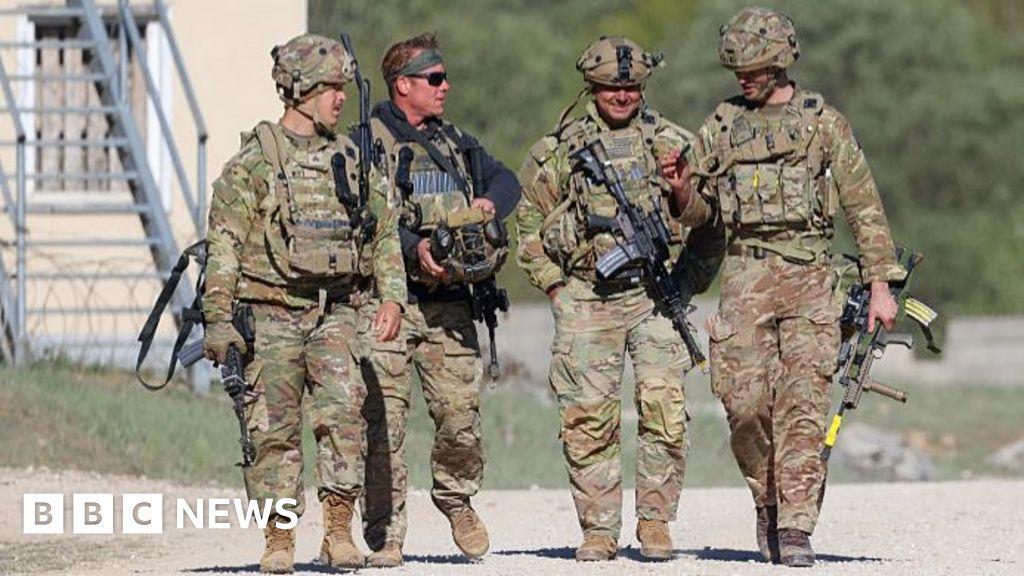
NBC News described the same moment as a “disastrous trend,” saying European leaders called for the continent to learn how to defend itself after Pentagon officials said the U.S. was withdrawing approximately 5,000 troops from Germany.
The Guardian framed the move as a unilateral act with “little or no coordination,” pointing to Hart’s statement that NATO was “working with the US to understand the details of their decision on force posture in Germany,” and it also described U.S. officials suggesting specific changes like withdrawing an army brigade combat team and cancelling a long-range artillery battalion deployment.
By contrast, the Boston Globe emphasized the friction as part of Trump’s attempt to reduce America’s commitment to European security, while also quoting Pistorius saying the drawdown “was expected” and that “We Europeans must take on more responsibility for their own defense.”
ABC7 Chicago and NPR both described the decision as fulfilling Trump’s threat, with ABC7 Chicago saying the Pentagon announcement fulfilled Trump’s warning as he clashes with Merz over the U.S. war with Iran.
Al Jazeera added a diplomatic lens from Berlin, with Dominic Kane saying the reduction appears to be among measures aimed at “really hitting the Germans where it hurts,” and it quoted former U.S. diplomat Donald Jensen describing the move as reflecting “a changing US strategic set of objectives.”
What Comes Next
The sources also laid out consequences and constraints that could shape how the withdrawal unfolds, including congressional limits and the operational implications for U.S. facilities in Germany.
“The Pentagon announced Friday that approximately 5,000 U”
The BBC said the U.S. has more than 36,000 active duty troops assigned to bases across the country as of last December, and it described Germany as hosting major installations including Ramstein Air Base and a medical center in Landstuhl, where casualties from the wars in Afghanistan and Iraq were treated.
NPR and ABC7 Chicago both described the troop reduction as 14% of the 36,000 American service members stationed there, and the Boston Globe added that the withdrawal is scheduled to take place over the next six to 12 months.
The Guardian reported that further withdrawals could trigger a conflict with U.S. Congress, noting that last year Congress stipulated that troop strength in Europe must not fall below 76,000, and it said Congress set the benchmark after the withdrawal of a brigade last year from Romania.
It also reported that European capitals were worried about postponement of previously agreed arms sales from the U.S. to European allies, and it referenced a Financial Times report that the Trump administration warned allies including the UK, Poland, Lithuania and Estonia to expect long delivery delays for U.S. weapons as the Pentagon prioritized replenishing stockpiles used in the Iran war.
In Congress, Al Jazeera reported that Wicker and Rogers warned that any significant change to U.S. force posture in Europe warrants “a deliberate review process and close coordination with Congress and our allies,” while the Boston Globe reported that a U.S. defense official said the withdrawal would likely have limited impact on combat power but would be “very different” in terms of messaging of U.S. commitment.
Finally, multiple outlets described how the decision could reverberate beyond Germany, with the BBC noting Trump suggested pulling U.S. troops from Italy and Spain and with LBC quoting him saying, “Italy has not been of any help to us, and Spain has been horrible,” as he discussed possible further reductions.
More on USA

Pentagon Orders Withdrawal Of 5,000 U.S. Troops From Germany
22 sources compared
Trump Pulls Casey Means Nomination, Names Nicole Saphier Surgeon General Replacement
19 sources compared
Trump Says Iran Hostilities Have Terminated as Germany Anticipates 5,000 Troop Withdrawal
21 sources compared

Spirit Airlines Begins Orderly Wind-Down After White House Rescue Deal Fails
32 sources compared