Trump Orders Pullback of 5,000 US Troops From Germany, Sparks GOP Backlash
Key Takeaways
- Pentagon to withdraw about 5,000 U.S. troops from Germany over 6–12 months.
- Top Republican lawmakers warned the pullout would undermine deterrence and signal weakness to Russia.
- Trump signaled possible withdrawals from Italy and Spain alongside Germany.
Withdrawal and the 5,000
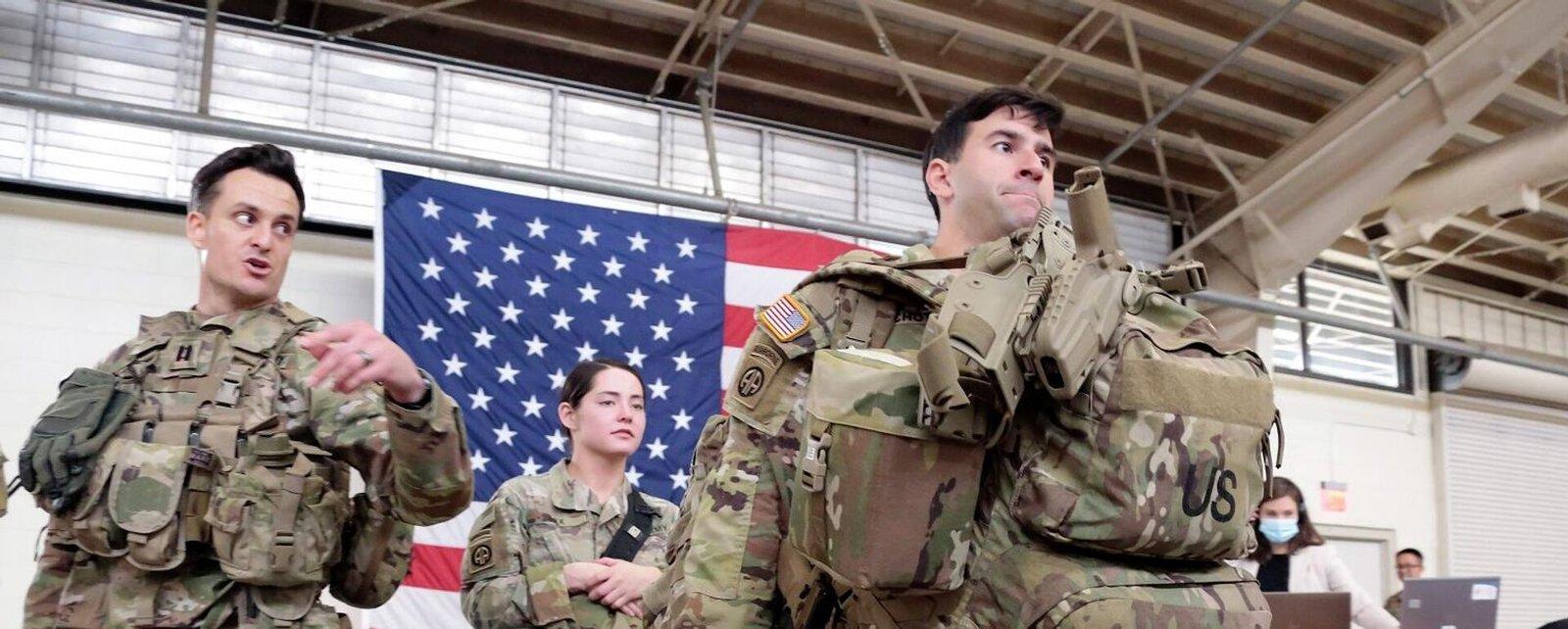
The Trump administration ordered a pullback of around 5,000 American service members from Germany, a decision that triggered immediate backlash in Washington and across Europe.
A Pentagon spokesman said the withdrawal would be completed in the next six to 12 months, while President Donald Trump told reporters in Florida that “We're going to cut way down and we're cutting a lot further than 5,000.”
The decision also scrapped a Biden-era plan to deploy a US battalion with long-range Tomahawk missiles to Germany, according to DW.
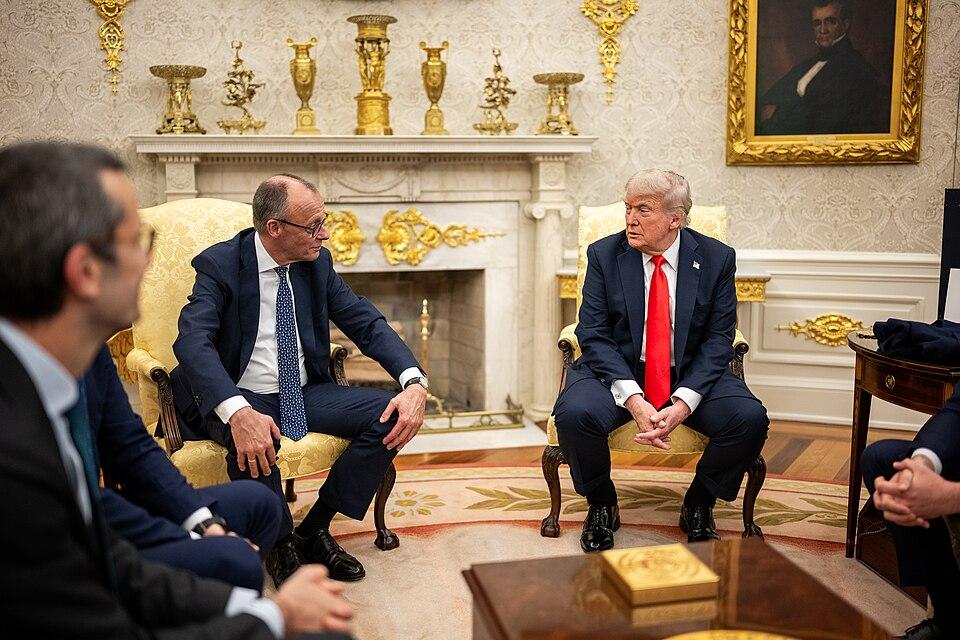
In the background of the announcement, German Chancellor Friedrich Merz had criticized the US handling of the Iran conflict, and Merz said Americans were being “humiliated” by the Iranian leadership in talks, prompting an angry response from Trump.
Republicans who chair the Senate and House armed services committees said they were “very concerned” and argued the move “risks undermining deterrence and sending the wrong signal to [Russian President] Vladimir Putin.”
NATO said it was working with Washington to understand the details of the force posture change, with spokeswoman Allison Hart writing on X that NATO was “working with the U.S. to understand the details of their decision on force posture in Germany.”
Why it happened
The sources tie the troop decision to a wider dispute between Washington and European leaders over the Iran war and NATO strategy, with the Germany announcement arriving after a public spat between Donald Trump and Friedrich Merz.
Anadolu Ajansı reported that the remarks came after Merz criticized the US for apparently lacking an exit strategy in the Iran war, saying Americans were being “humiliated” by the Iranian leadership in talks.

DW described the same sequence, saying the announcement came after Merz questioned Washington's exit strategy in the Middle East and said Iran was “humiliating” the US at the negotiating table, prompting an angry response from Trump.
The Guardian added that Trump’s initial move to reduce US personnel in Germany came after Merz said the US was being “humiliated” by Iran, and it noted that the Pentagon then announced on Friday it was withdrawing 5,000 troops from Germany after a “thorough review of the Department’s force posture in Europe and is in recognition of theater requirements and conditions on the ground.”
Time Magazine framed the Pentagon’s rationale as a “thorough review” and said the decision was “in recognition of theater requirements and conditions on the ground,” while also emphasizing Trump’s own comments that “We’re going to cut way down” and “we’re cutting a lot further than 5,000.”
CNN connected the drawdown to Trump’s broader pattern of disputes with Europe, describing “the ongoing transatlantic rift over NATO” and saying Trump declared that the US will withdraw 5,000—and “probably many more”—troops stationed in Germany.
Backlash and warnings
The troop pullout sparked a wave of criticism from within the US political system, with multiple voices warning that the move would weaken deterrence and send a message to Russia.
“Top Republicans express concern over US troop withdrawal from Germany Sen”
In a joint statement, Sen. Roger Wicker and Rep. Mike Rogers said they were “very concerned” and warned that the decision “risks undermining deterrence and sending the wrong signal to [Russian President] Vladimir Putin.”
The Hill reported that Rep. Jason Crow (D-Colo.) criticized the decision as “no way to run a foreign policy,” saying it appeared “as though this decision was made because Donald Trump was upset by a comment made by the German chancellor.”
Crow said lawmakers were “looking into it” and would ensure that “any movements, if they do occur, are actually in our interests,” while he cited a law passed by both the House and the Senate that outlines conditions for movement of US troops around Europe.
The Hill also said that the Fiscal 2026 National Defense Authorization Act mandates a minimum U.S. troop presence of 76,000 in Europe and restricts the Pentagon from reducing troop levels below this threshold for more than 45 days without submitting a formal assessment and certifying to Congress.
In Europe, German Defense Minister Boris Pistorius told reporters the partial drawdown was expected and said “Germany is on the right track” by seeking to expand its armed forces, speed up military procurement and build more infrastructure.
Polish Prime Minister Donald Tusk warned that “The greatest threat to the transatlantic community is not its external enemies, but the ongoing disintegration of our alliance,” adding that “We must all do what it takes to reverse this disastrous trend.”
Different framings by outlets
While the core facts of a 5,000-troop reduction and a six-to-12-month completion window were shared across reporting, the outlets framed the political meaning differently—ranging from deterrence concerns to a broader argument about Europe’s strategic autonomy.
DW emphasized the messaging and strategic implications, quoting a US defense official saying the withdrawal is “very different” “in terms of messaging of US commitment,” and it also described the cancellation of the Biden-era Tomahawk missile deployment as part of the decision.
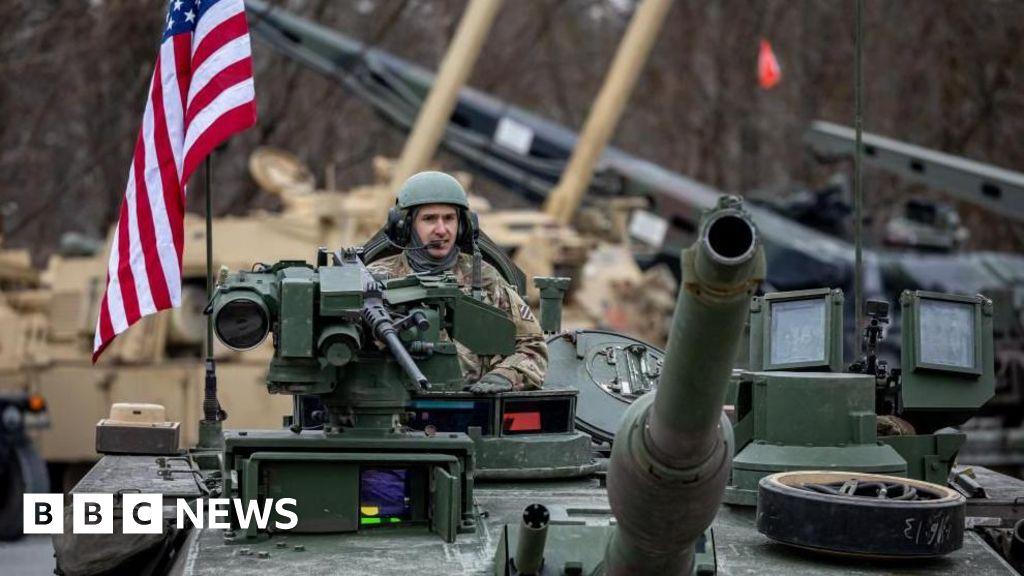
The Guardian focused on Republicans’ warnings and Trump’s threat of further cuts, reporting that Trump threatened on Saturday that more cuts were coming and quoting him: “We are going to cut way down, and we’re cutting a lot further than 5,000.”
CNN framed the drawdown as “just the tip of the challenge facing Europe,” describing “the ongoing transatlantic rift over NATO” and connecting the troop move to disputes over tariffs, aid to Ukraine, and Trump’s threats toward Greenland.
Anadolu Ajansı highlighted the argument from top Republicans that the troops should not be removed entirely but “should be forwarded to the east,” stressing that “significant” changes to the US’s posture in Europe requires “a deliberate review process.”
Türkiye Today reported NATO’s position through Allison Hart, saying NATO was “working with the U.S. to understand the details of their decision on force posture in Germany,” and it also included a specific European troop-count comparison, saying there were 36,436 active-duty US troops in Germany as of Dec. 31, 2025.
The Hill centered on domestic legal constraints and congressional oversight, quoting Crow’s insistence that “We passed these laws out of grave concern” and that “we’re enforcing the law and the requirements.”
What comes next
The sources describe a set of immediate next steps and longer-term consequences, with NATO seeking clarifications, Congress preparing oversight, and European governments pushing for greater defense responsibility.
NATO said it was working with Washington to understand the details of the withdrawal plan, and Türkiye Today quoted Allison Hart writing on X that NATO was “working with the U.S. to understand the details of their decision on force posture in Germany.”
The Pentagon’s withdrawal timeline—expected to be completed over the next six to 12 months—creates a window for disputes over what changes are actually implemented, and DW said the withdrawal would be completed in that timeframe.
In Washington, the Hill reported that Crow said lawmakers were “looking into it” and would ensure any troop movements “are actually in our interests,” while he cited the Fiscal 2026 National Defense Authorization Act’s minimum troop presence of 76,000 in Europe and the 45-day restriction without formal assessment and certification.
Republicans also urged a different approach, with Wicker and Rogers saying “Rather than withdrawing forces from the continent altogether, it is in the US interest to maintain a strong deterrent in Europe by moving these 5,000 US forces to the east,” and they argued that “Those allies there have made substantial investments to host US troops.”
On the European side, German Defense Minister Boris Pistorius said “Germany is on the right track” and argued Europe needed to take on more responsibility for its own security, while National Herald reported that Germany’s stance was meant to serve as a “wake-up call for Europe to strengthen its own military capabilities.”
CNN added a longer-term strategic framing, saying the US focus is shifting toward “challenges where only American power can play a decisive role” in Asia and its own hemisphere, and it quoted NATO spokesperson Allison Hart saying the adjustment underscores “the need for Europe to invest more in defense.”
More on USA

Donald Trump Says U.S. Will Help Guide Stranded Ships Through Strait of Hormuz Monday
18 sources compared
Rudy Giuliani Hospitalized In Critical But Stable Condition, Spokesman Ted Goodman Says
37 sources compared
Marco Rubio Visits Vatican and Rome May 7 to Ease Trump-Pope Leo Tensions
17 sources compared

Pentagon Withdraws About 5,000 U.S. Troops From Germany After Trump Threat
15 sources compared