Trump Orders Representatives Not To Rush Iran Deal, Says Time Is On Our Side
Key Takeaways
- Trump instructs representatives not to rush into an Iran deal.
- Deal in principle would reopen the Strait of Hormuz and end the war.
- Final sign-off from Trump and Iran's Supreme Leader; uranium stockpile disposal.
Deal talks accelerate
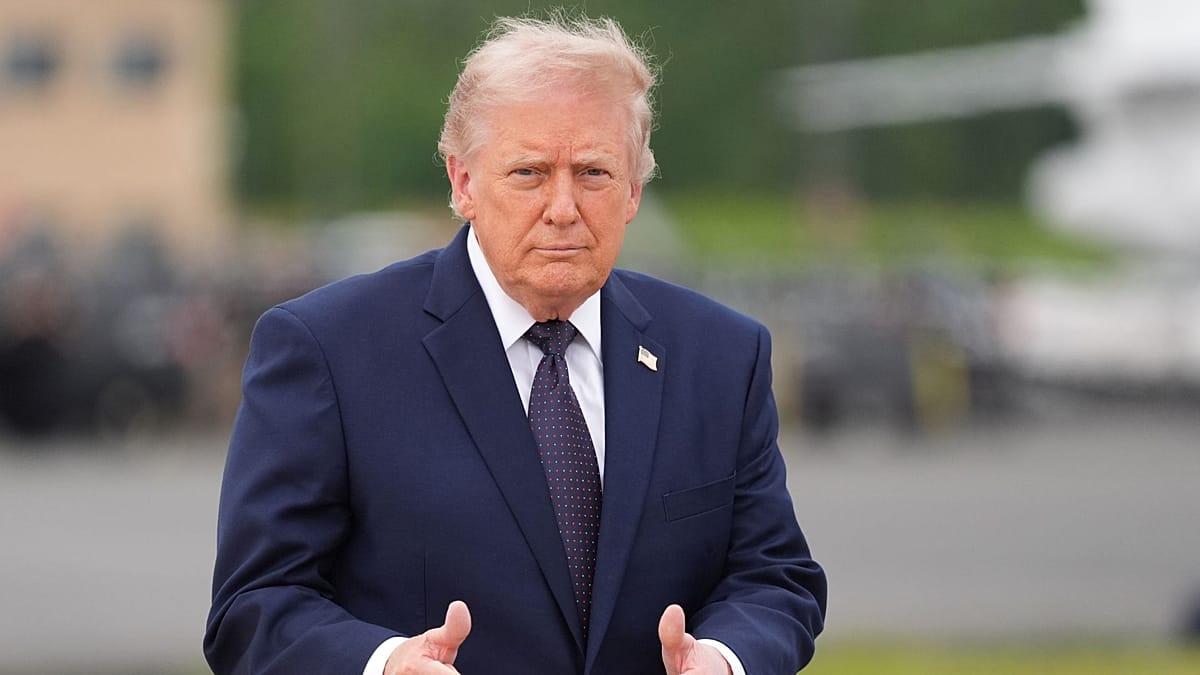
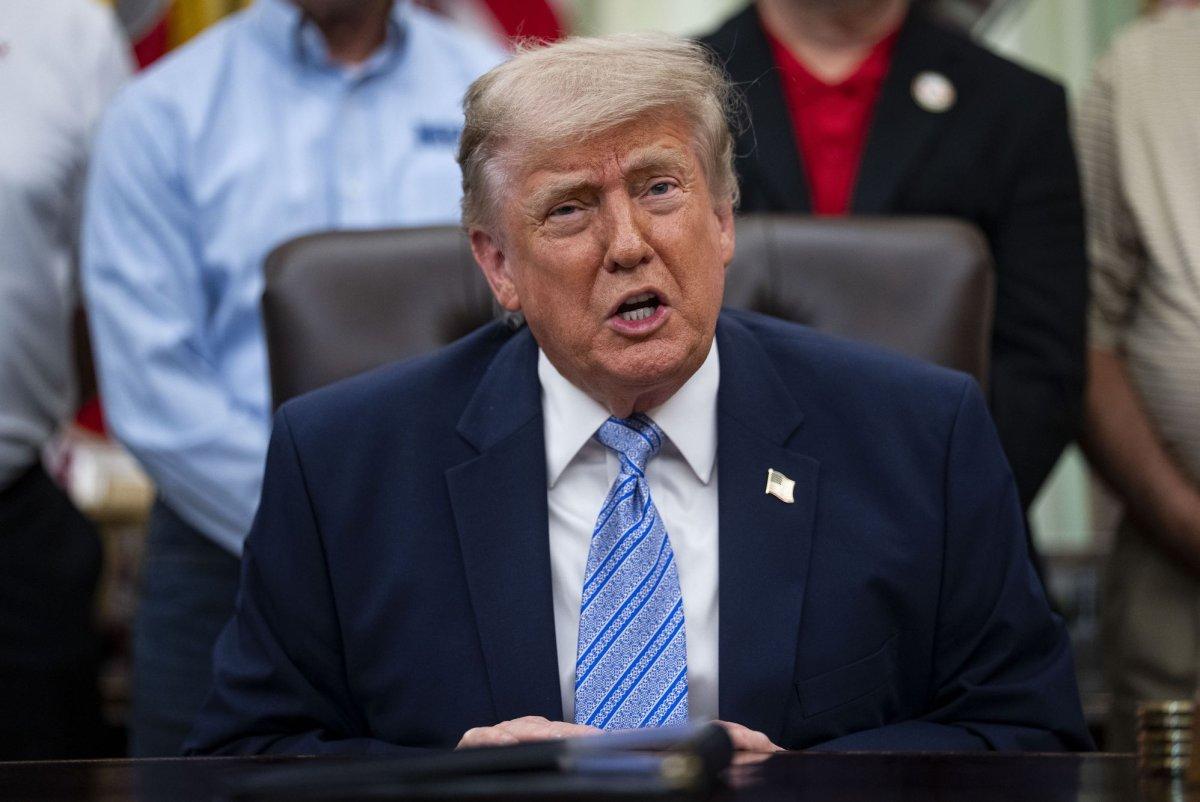
US President Donald Trump said negotiations with Iran are proceeding in an “orderly and constructive manner” and that he had instructed his representatives “not to rush into a deal,” arguing “time is on our side.”
“Details emerge of a potential Iran deal as US claims progress Officials say the United States is close to reaching a deal with Iran that would end the war, reopen the Strait of Hormuz and see Iran give up its stockpile of highly enriched uranium CAIRO -- The United States is close to reaching a deal with Iran that would end the war, reopen the Strait of Hormuz and see Iran give up its stockpile of highly enriched uranium, with the details and timelines to be worked out later, regional officials told The Associated Press on Sunday”
Regional officials told The Associated Press that the United States is close to reaching a deal that would end the war, reopen the Strait of Hormuz, and see Iran give up its stockpile of highly enriched uranium, with details and timelines to be worked out later.

The CBC report says the Strait of Hormuz reopening would begin to ease a worldwide energy crisis sparked by the U.S. and Israel attacking Iran on Feb. 28, which led Tehran to effectively close the crucial waterway.
The same CBC account adds that the U.S. blockade of Iranian ports “will remain in full force and effect until an agreement is reached, certified, and signed,” while Iran has not publicly committed to giving up its uranium.
In the Radio Free Europe/Radio Liberty account, Trump compared his approach to Iran with the 2015 Iran nuclear deal and called it “one of the worst deals ever made” while saying current negotiations are proceeding in an “orderly and constructive manner.”
Rubio urges caution
US Secretary of State Marco Rubio, speaking from India, said “significant progress, although not final progress, has been made” in negotiations and that the world would no longer need to fear Iran getting a nuclear weapon.
Al Jazeera reports that US officials said a deal has been agreed in principle to reopen the Strait of Hormuz, but that nothing has been signed yet and any agreement would require final sign-off from President Donald Trump and Iran’s Supreme Leader.

The Al Jazeera account also quotes a senior official saying an agreement would not be signed on Sunday because “the Iranian system did not move fast enough.”
In the Radio Free Europe/Radio Liberty account, Hezbollah chief Naim Qassem expressed hope for an agreement between Iran and the United States and said it would include “a full cessation of hostilities,” while Israeli Prime Minister Benjamin Netanyahu said Trump reaffirmed Israel’s right to defend itself against threats, including from Hezbollah.
CBC adds that Iran’s President Masoud Pezeshkian told state TV they were ready “to assure the world that we are not after a nuclear weapon,” while Iran’s embassy in India responded to Rubio on social media that Tehran has an “inalienable” right to nuclear technology.
What’s at stake next
Under the emerging framework described by CBC, Tehran would agree to give up its stockpile of highly enriched uranium during a 60-day period, with some material “likely be diluted” and the rest transferred to a third country, potentially Russia, while sanctions relief and the release of Iran’s frozen funds would be negotiated during that same 60-day time frame.
CBC says the draft deal includes an end to the war between Israel and the Iran-backed Hezbollah militant group in Lebanon, and that a ceasefire with Iran has held since April 7 though the sides have exchanged fire on occasion.
The Straits Times reports that even if the war ended, full oil flows through the strait would not return before the first or second quarter of 2027, citing the head of the United Arab Emirates’ state oil firm ADNOC saying last week.
The Straits Times also states that the framework would unfold in three stages—formally ending the war, resolving the crisis in the Strait of Hormuz, and launching a 30-day window for negotiations on a broader agreement that can be extended.
In the Radio Free Europe/Radio Liberty account, Trump said he had instructed his representatives not to rush and that “time is on our side,” while the same report notes that Tehran has launched attacks on targets in Bahrain and other Gulf Arab states hosting US military bases in retaliation for US-Israeli air strikes against Iran launched at the end of February.
More on Iran
Donald Trump Says U.S. Iran Framework Extends Ceasefire 60 Days, Reopens Strait of Hormuz
21 sources compared

Donald Trump Tells U.S. Negotiators Not To Rush Iran Deal On 60-Day Ceasefire
38 sources compared

Trump Says US-Iran Deal Is Largely Negotiated, Framework Gives 60 Days
21 sources compared
Donald Trump Says U.S. and Iran Have Largely Negotiated Deal to Reopen Strait of Hormuz
24 sources compared