South America14 October, 20252 min read
Trump Orders US Military to Bomb Venezuelan Drug Boat, Killing Six Suspected Traffickers
U.S. military strike killed six suspected drug traffickers off Venezuela's coast. The targeted vessel was linked to designated terrorist organizations involved in narcotrafficking.

42 outlets told this the same way.
Outlets did split on Alexandre de Moraes Orders Eduardo Bolsonaro Arrest, Cancels Passport, Enforces Four-Year Sentence →
U.S. Strike on Venezuelan Vessel
President Donald Trump announced that U.S. forces carried out a strike on a small boat off Venezuela’s coast, killing six people. This was the fifth such operation in recent weeks. Multiple outlets report the strike occurred in international waters and was justified by the administration as targeting a vessel linked to a Designated Terrorist Organization.
“Since September 2, the U.S. military has conducted at least five such strikes on drug-carrying vessels, resulting in 27 deaths.”
Officials also say at least 27 people have been killed across similar strikes since early September. Coverage varies in terminology—some call it an air or missile strike—while reiterating that the U.S. has not provided detailed evidence about the target.
The action is portrayed as part of a broader campaign against narcoterrorist networks in the Caribbean. The Pentagon informed Congress that these operations fall under an armed-conflict framework against drug cartels.
Military Approach to Drug Cartels
The legal framing is central to the issue. The Pentagon has informed Congress that it considers the fight with drug cartels a “non-international armed conflict.” The administration treats alleged traffickers as “unlawful combatants.”
Some lawyers and lawmakers argue that this approach risks violating international law. Several media outlets highlight bipartisan concern and failed congressional attempts to limit the strikes.
Meanwhile, the White House asserts its authority under the law of armed conflict. Others note the unprecedented shift from traditional law-enforcement interdictions to lethal military force at sea.
Disputed Details of Maritime Strike
Transparency and evidence remain contested regarding the recent maritime strike. Several outlets report that officials have not disclosed identities, nationalities, or proof that the boats carried narcotics. This lack of disclosure persists even as the administration released short strike videos.
“Despite releasing videos of the attacks, officials have not disclosed details about the victims, their nationalities, the drugs involved, or the vessels' destinations.”
Other sources claim the latest boat carried a large quantity of drugs or reference intelligence about a known trafficking route. The Pentagon has not named specific extremist groups involved in the incident. Some reports identify a particular gang involved in an earlier or different strike, which adds to confusion about which group, if any, was connected to this vessel.
Reactions to Caribbean Tensions
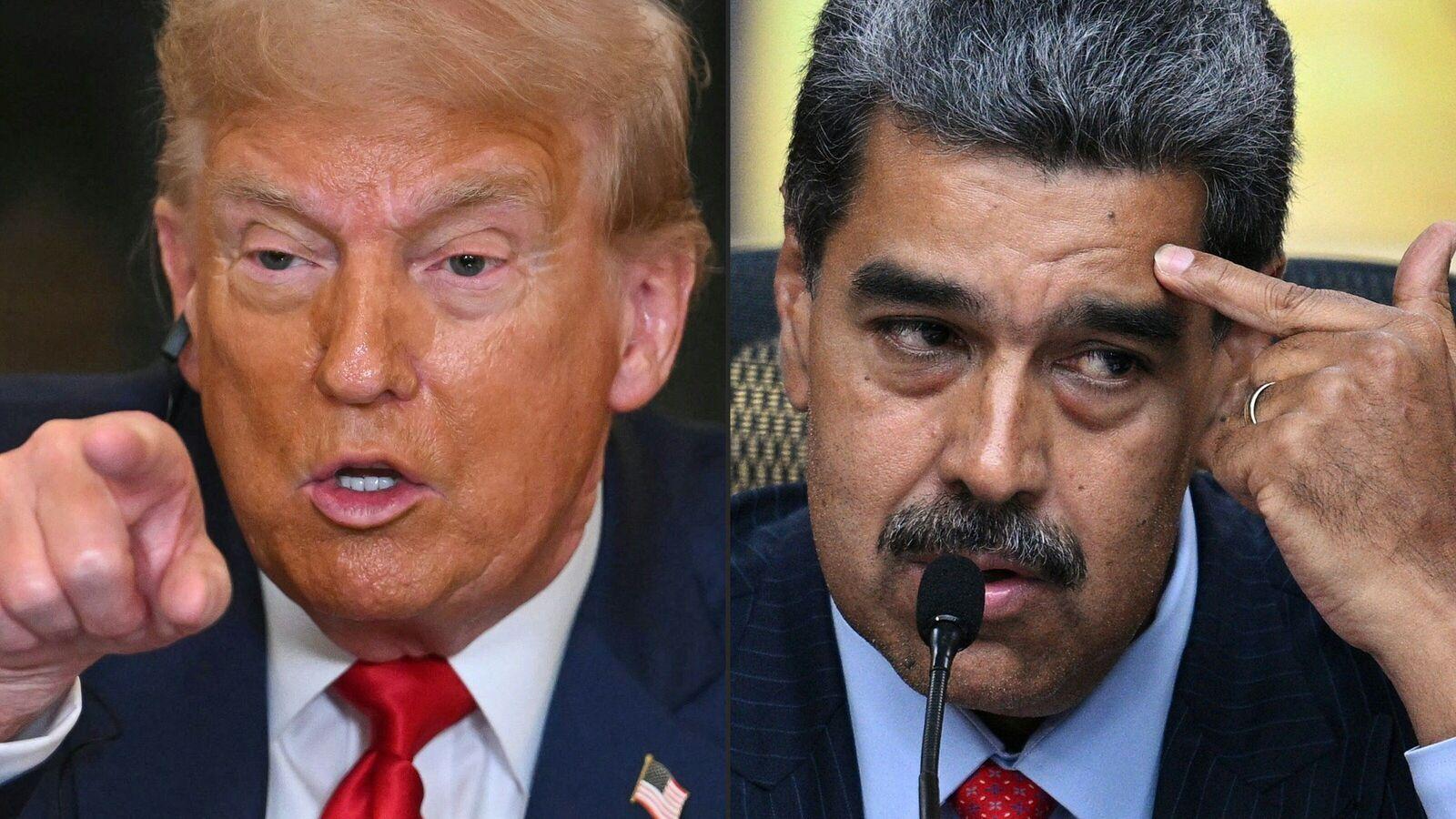
Regional and international reactions were sharp. Venezuela’s leadership denounced the strike as piracy and aggression and warned of escalation. The UN’s top human rights official condemned recent U.S. boat strikes as possible or outright extrajudicial executions.
Neighboring countries expressed concern, and some leaders urged diplomacy over lethal force. Meanwhile, reporting highlights a U.S. military buildup in the southern Caribbean with warships, F‑35s, and even a nuclear submarine. This buildup comes amid warnings that tensions with President Nicolás Maduro are rising.
Political Debate on Strikes
Politically, the strikes are framed by the administration and allies as a hard-line campaign against narcoterrorist networks and the Maduro government. Critics in Congress and rights advocates question the legality, transparency, and potential escalation of these strikes. Supporters emphasize new task-force structures and national-security imperatives.
“These strikes have increased tensions between the U.S. and Venezuela and sparked legal and congressional concerns.”
Opponents seek oversight and warn of mission creep, with some reports noting the former president’s interest in expanding targets. The narrative also includes accusations that Venezuela is exporting criminals to the U.S. Disagreements persist over the exact cartel affiliations of the targeted vessels.
