
Trump Orders U.S. Naval Blockade of Strait of Hormuz After Iran Talks Fail
Key Takeaways
- Trump ordered immediate U.S. Navy blockade of ships entering or leaving the Strait of Hormuz.
- Iran peace talks in Islamabad ended without an agreement.
- Blockade includes mine-clearing operations and intercepting toll-paying vessels.
Trump Blocks Hormuz
President Trump announced a U.S. naval blockade of the Strait of Hormuz after peace talks with Iran ended without an agreement.
Trump declared that the United States Navy will begin blockading any and all ships trying to enter or leave the strait.
The announcement came hours after marathon negotiations between Vice President JD Vance and Iranian officials failed to produce a deal.
Trump said the blockade would seek and interdict every vessel that has paid a toll to Iran.
The move escalates the conflict by directly challenging Iran's control of a critical global oil chokepoint.
Trump warned any Iranian who fires at us will be blown to hell.
Talks Collapse
The blockade announcement came after 21 hours of talks brokered by Pakistan.
Vice President Vance said the Iranians have chosen not to accept our terms.

Iran's parliament speaker said the U.S. was unable to gain the trust of the Iranian delegation.
Key sticking points included Iran's demand to control the Strait of Hormuz and its refusal to give up its enriched uranium stockpile.
Trump claimed most points were agreed to but the nuclear issue was the only point that really mattered.
The deadlock puts the two-week ceasefire in limbo.
Global Economic Impact
The Strait of Hormuz carries about a fifth of the world's oil.
Its closure sent prices soaring by more than 50 percent during the conflict.
Trump downplayed the economic effects, saying prices could be a little bit higher or around the same.
The blockade raises questions about the legal and practical challenges of enforcement.
International Reactions
Trump said other countries would participate in the blockade.
The UK is among those sending minesweepers to help clear the strait.

Iranian officials said they were open to continuing dialogue.
The Kremlin said Putin had emphasized his readiness to help bring about a diplomatic settlement.
Senator Mark Warner questioned the logic of the blockade strategy.
Military and Legal Challenges
Military analysts warn that enforcing a naval blockade would be extraordinarily difficult.
Iran operates two naval forces: the regular navy and the IRGC.
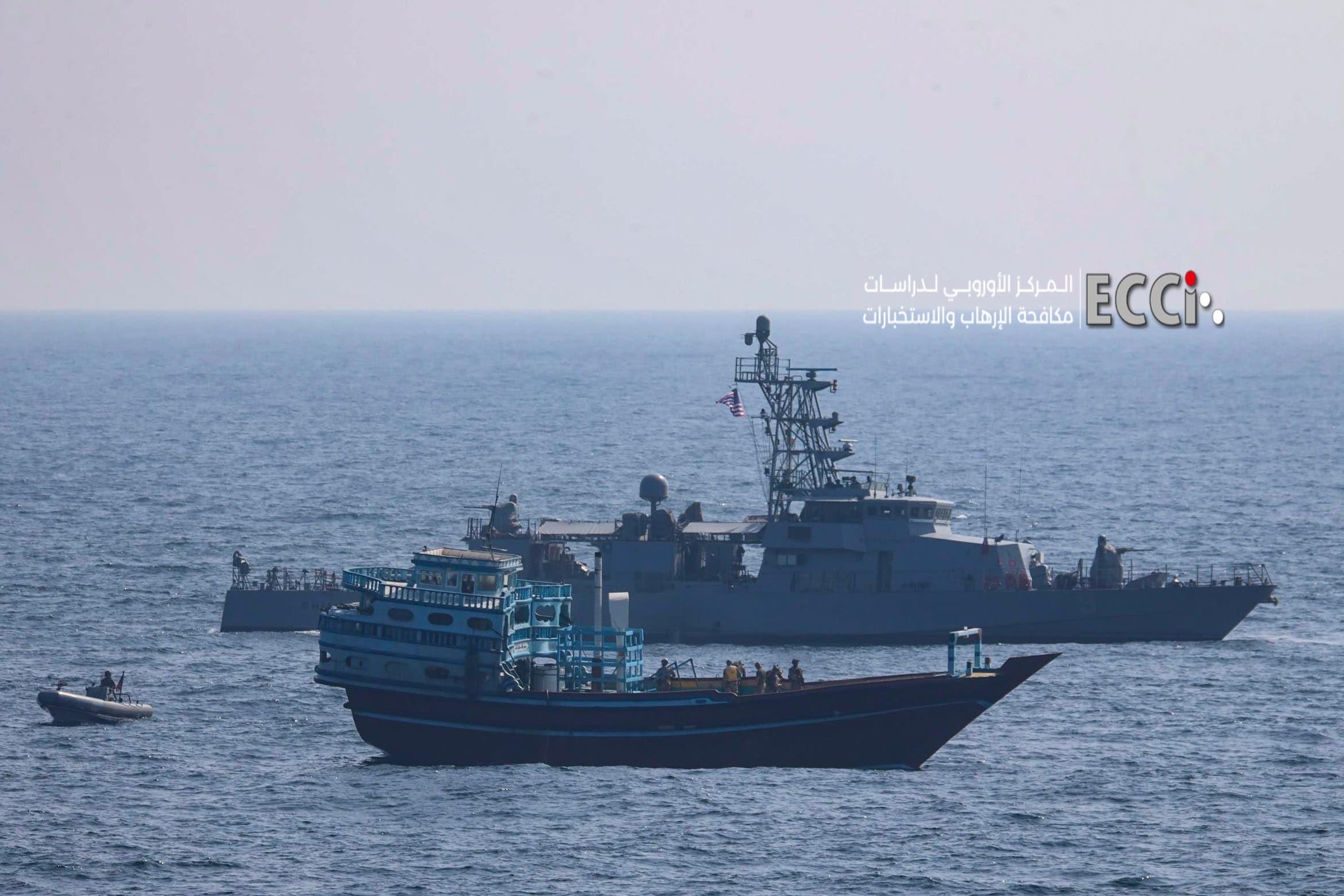
The geography of the strait favors Iran's asymmetric tactics.
Naval mines are among Iran's most effective tools and hardest to counter.
Legal scholars warn that destroying civilian infrastructure would likely amount to war crimes.
More on USA

Masked Gunmen Kill One, Injure Six in New Jersey Chick-fil-A Mass Shooting
13 sources compared
Masked Gunmen Kill One, Injure Six in New Jersey Chick-fil-A Shooting
25 sources compared

Manhattan DA Investigates Rep Eric Swalwell Over Sexual Assault Allegation
12 sources compared

Rep. Eric Swalwell Faces Manhattan DA Investigation Over Multiple Sexual Assault Allegations
16 sources compared