
Pakistan mediates between U.S. and Iran as Trump sets five-day talks window.
Key Takeaways
- Pakistan mediates between the U.S. and Iran as Trump sets a five-day talks window.
- An in-person meeting could be held in Islamabad as Pakistan engages both sides.
- Mediation involves Turkey and Egypt alongside Pakistan in back-channel diplomacy.
Diplomatic Standoff
President Donald Trump has established a five-day diplomatic window for talks with Iran, postponing threatened strikes on Iranian power plants amid escalating regional tensions.
“US won’t talk via media on Iran talks: White House Washington, March 23 : The White House on Monday declined to comment on mediation efforts in the Iran crisis, saying sensitive diplomacy would not be discussed publicly even as reports pointed to growing back-channel activity”
The conflict has killed over 2,000 people and displaced millions as it enters its fourth week.
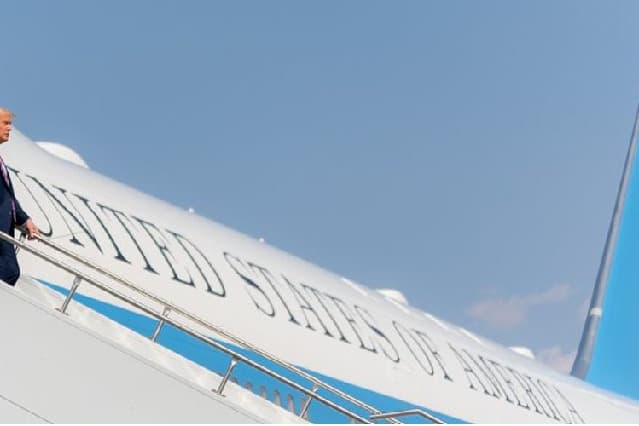
Pakistan has emerged as a key intermediary in these high-stakes negotiations, joining Türkiye and Egypt in facilitating communication.
Multiple sources confirm that Pakistan is actively engaged in mediation efforts, with four sources telling NBC News that diplomatic contacts are ongoing.
A diplomatic source emphasized Pakistan's 'well poised to play an active role' in ending the war.
A Gulf official added that Pakistan has been passing messages between Washington and Tehran over the past two days.
However, Iranian officials including parliament speaker Mohammad-Bagher Ghalibaf immediately denied that negotiations were taking place.
Iran accused Trump of trying to 'manipulate the financial and oil markets and escape the quagmire in which the U.S. and Israel are trapped.'
Pakistan's Diplomatic Role
Pakistan's unique positioning as a mediator stems from its complex relationships with both Washington and Tehran.
According to sources, Pakistan's army chief Asim Munir recently spoke directly with Donald Trump.
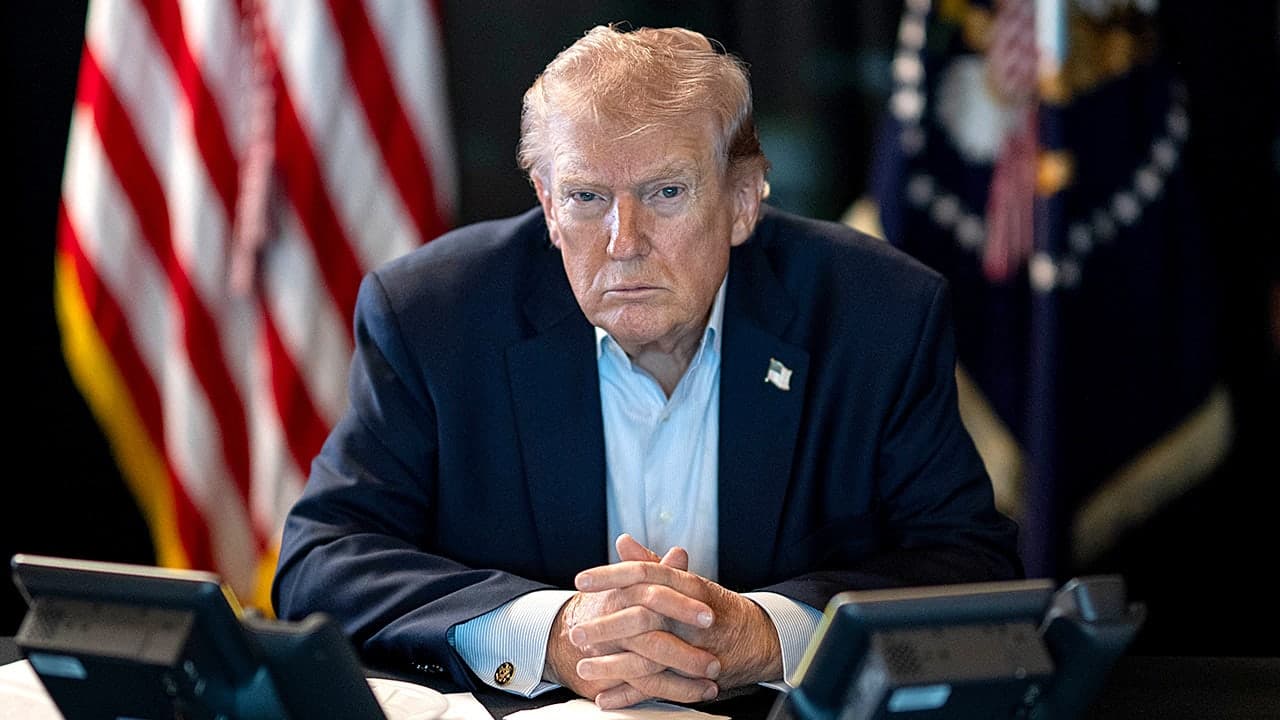
Prime Minister Shehbaz Sharif has maintained multiple conversations with Iranian President Masoud Pezeshkian since the war began.
This dual engagement coincided with Trump's announcement to delay strikes.
Pakistani officials publicly stated their readiness to host talks in Islamabad.
Foreign Minister Ishaq Dar has coordinated with Turkish counterparts.
A senior Pakistani diplomat described Islamabad's approach as 'deliberately quiet but calculated.'
Pakistan's credibility is enhanced by its avoidance of direct Iranian military retaliation.
It has a large Shia population (second only to Iran) and close relations with Gulf states including Saudi Arabia.
The Chosun Daily reports that despite Pakistan being formally democratic, 'real power lies with Munir,' who leveraged back-channel ties and Trump's trust.
Market Reactions
The diplomatic developments have triggered significant market reactions, with global markets staging a relief rally.
Oil prices plunged by over 10% at one point after days of volatility, easing inflation fears.
The Dow Jones Industrial Average rose 1.38%, while the S&P 500 and Nasdaq Composite both gained around 1.15-1.38%.
Cyclical sectors led the rally amid expectations of lower fuel costs.
Asian markets ended their sessions sharply lower, reflecting their disproportionate reliance on Middle Eastern energy imports.
South Korea's Kospi fell 6.5%, while European natural gas prices tumbled 17% in minutes.
These market movements underscore the deep integration of Middle Eastern energy into global supply chains.
Asian economies show systemic vulnerability to Persian Gulf disruptions.
International Energy Agency chief Fatih Birol warned that protracted war would create a crisis worse than 1970s oil shocks and Russia's invasion of Ukraine combined.
Persistent Uncertainty
Despite the diplomatic activity and market relief, significant uncertainty persists due to contradictory statements.
Trump claimed there had been 'very good and productive conversations' and agreement on 'many points.'
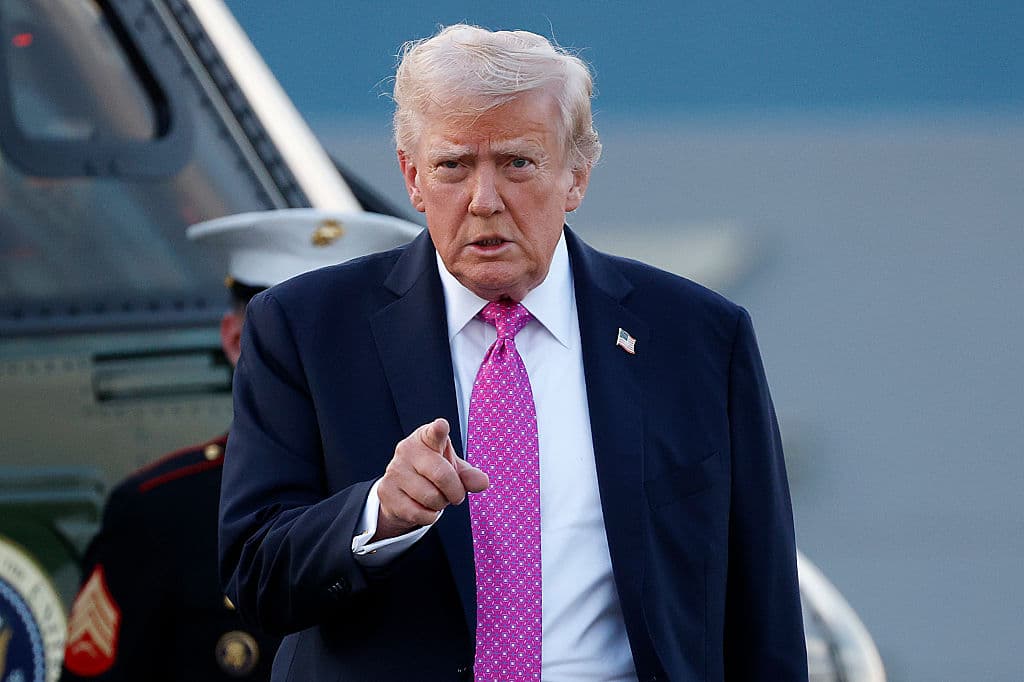
Iranian officials maintained categorical denial that any substantive negotiations were underway.
Iranian parliament speaker Ghalibaf specifically rejected the claims as 'psychological warfare.'
Iranian foreign ministry spokesman Esmaeil Baqaei acknowledged only receiving messages from 'certain friendly states' but denied any talks had taken place.
This credibility gap has left markets on edge.
Analysts warn the current environment is unusually fragile, with sentiment swinging sharply on headlines.
Meanwhile, the Pentagon has continued expanding its military footprint in the region.
Thousands of U.S. Marines are heading to the Middle East and forces remain in position to carry out threatened strikes.
Trump warned that if talks failed in the next five days, 'we'll just keep bombing our little hearts out.'
Regional Coordination
The broader regional diplomatic framework involves multiple actors working in coordination.
Egypt's Foreign Minister Dr. Badr Abdelatty has held separate calls with U.S. special envoy Steve Witkoff and Iranian Foreign Minister Abbas Araghchi.
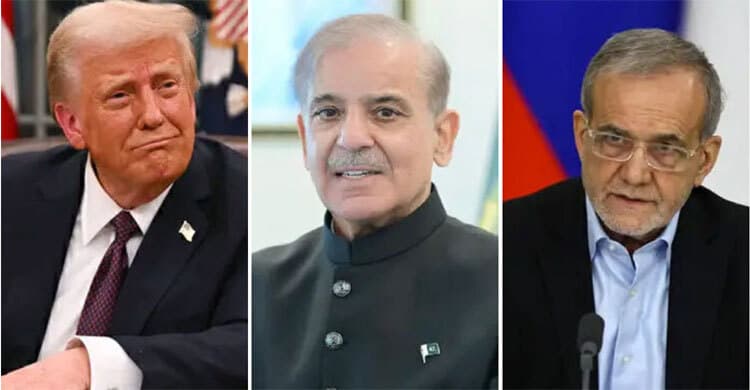
Türkiye has also been actively involved in the diplomatic push.
Regional analysts suggest this multi-country mediation reflects the high stakes involved.
Traditional mediators like Oman and Qatar may be less active in the current environment.
Pakistan's strategic positioning has been strengthened by its mutual defense pact with Saudi Arabia.
Abdul Basit noted that Pakistan's good relations with Trump 'played a very crucial role' in its current diplomatic standing.
These coordinated efforts come amid intense pressure on global energy markets.
Iran's effective shutdown of the Strait of Hormuz has had 'devastating' effects on Asian economies.
These economies rely heavily on Gulf states for crude oil imports and almost all of their liquefied natural gas supplies.
More on Pakistan
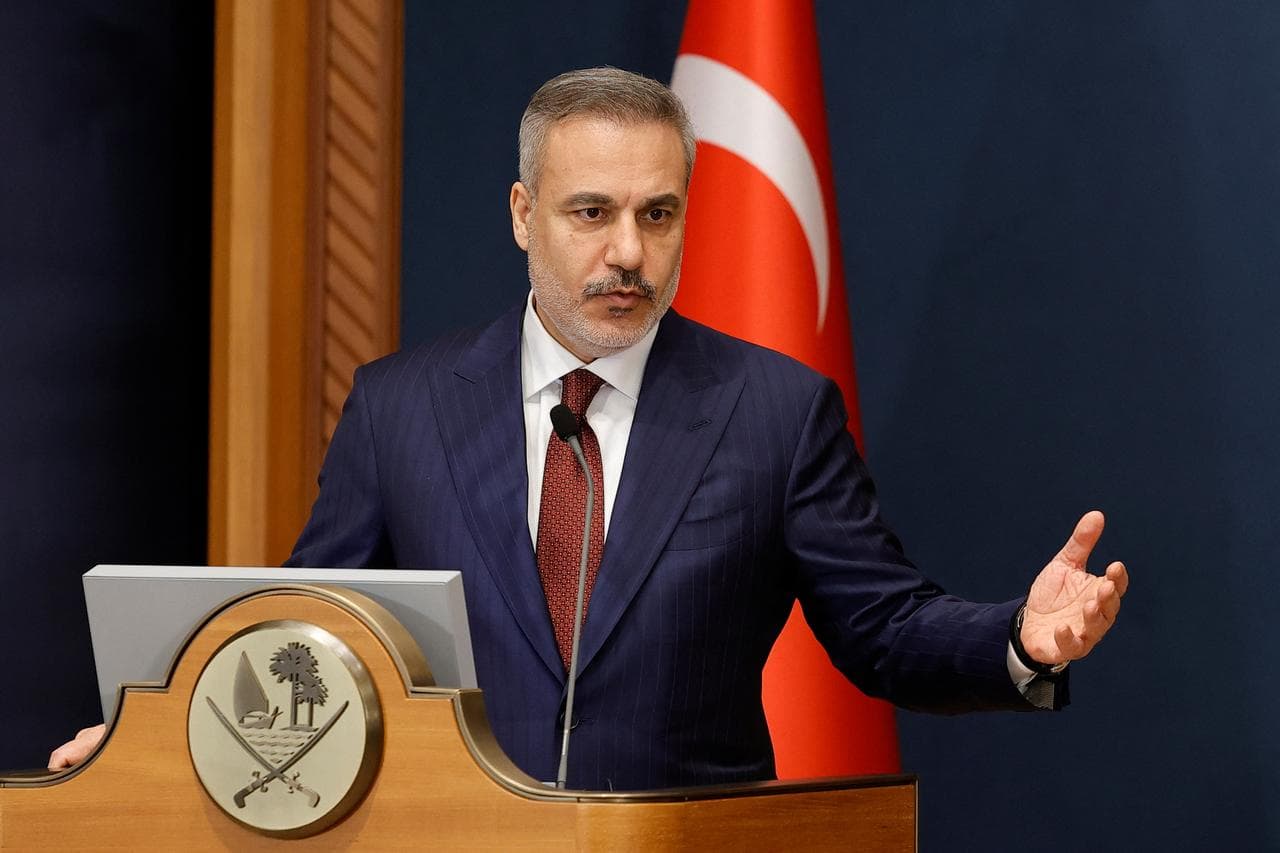
President Trump Delays Iran Power-Grid Strikes as Pakistan Mediates Talks
39 sources compared
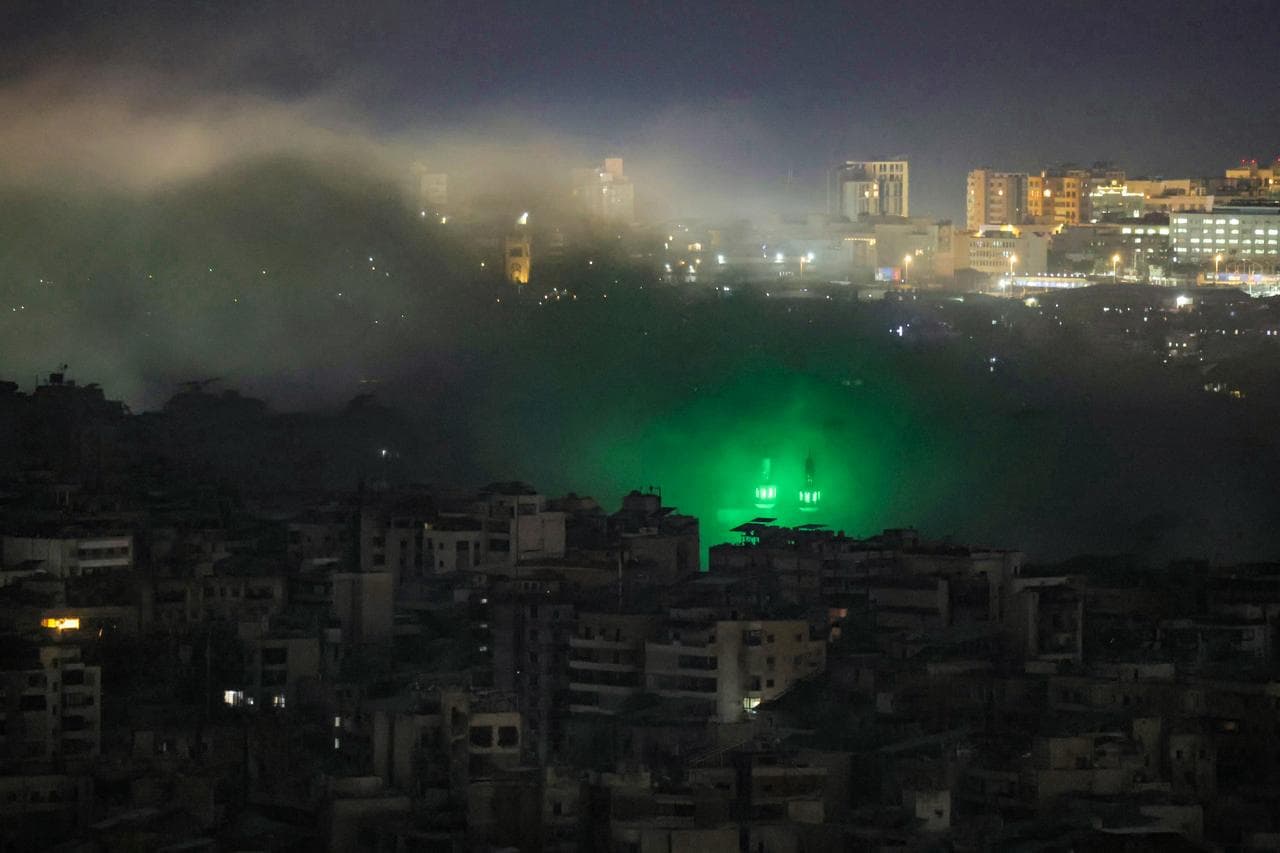
Pakistan ready to host US-Iran talks to end Iran war
48 sources compared
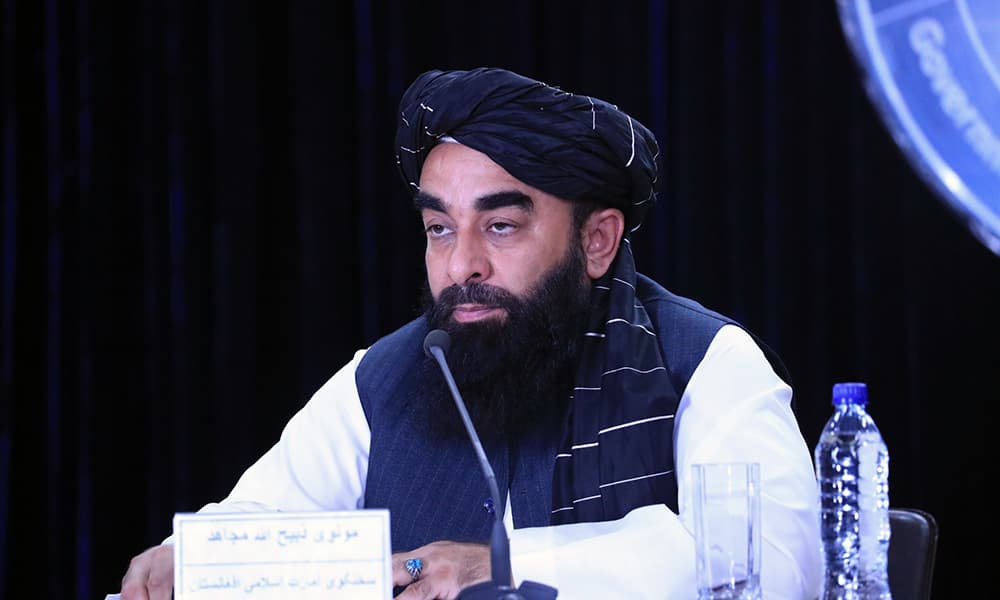
Pakistan, Afghanistan halt fighting for Eid al-Fitr after deadly Kabul strike
20 sources compared

Pakistan Attacks Kabul Omid Hospital, Killing Over 400, Taliban Says
12 sources compared