Iran24 March, 20263 min read
President Trump Delays Iran Power-Grid Strikes as Pakistan Mediates Talks
This article is an automated aggregation of coverage from news outlets. Our editorials offer in-depth analysis curated by the NewsCord team.
Trump delays strikes on Iran energy infrastructure for five days. Pakistan leads back-channel mediation in US-Iran talks, with Turkey and Egypt involved.
Trump's Strike Pause
President Donald Trump abruptly announced a five-day pause in planned military strikes targeting Iranian power plants and energy infrastructure on March 23, 2026. The decision came just hours before a 48-hour ultimatum expired, during which Trump had threatened to 'obliterate' Iran's energy grid unless Tehran fully reopened the Strait of Hormuz to all shipping. The announcement triggered immediate market relief, with oil prices falling sharply and stock markets rallying globally.
“The United States has decided to temporarily halt a military strike on Iran's energy infrastructure. With talks between the two countries under way, markets appear to be partially pricing in expectations of easing geopolitical tensions.”
Trump claimed the pause followed 'very good and productive conversations' between the US and Iran aimed at achieving 'a complete and total resolution of the hostilities in the Middle East.' His assertions were immediately challenged by Iranian officials who denied any negotiations were taking place.

Pakistan's Mediation Role
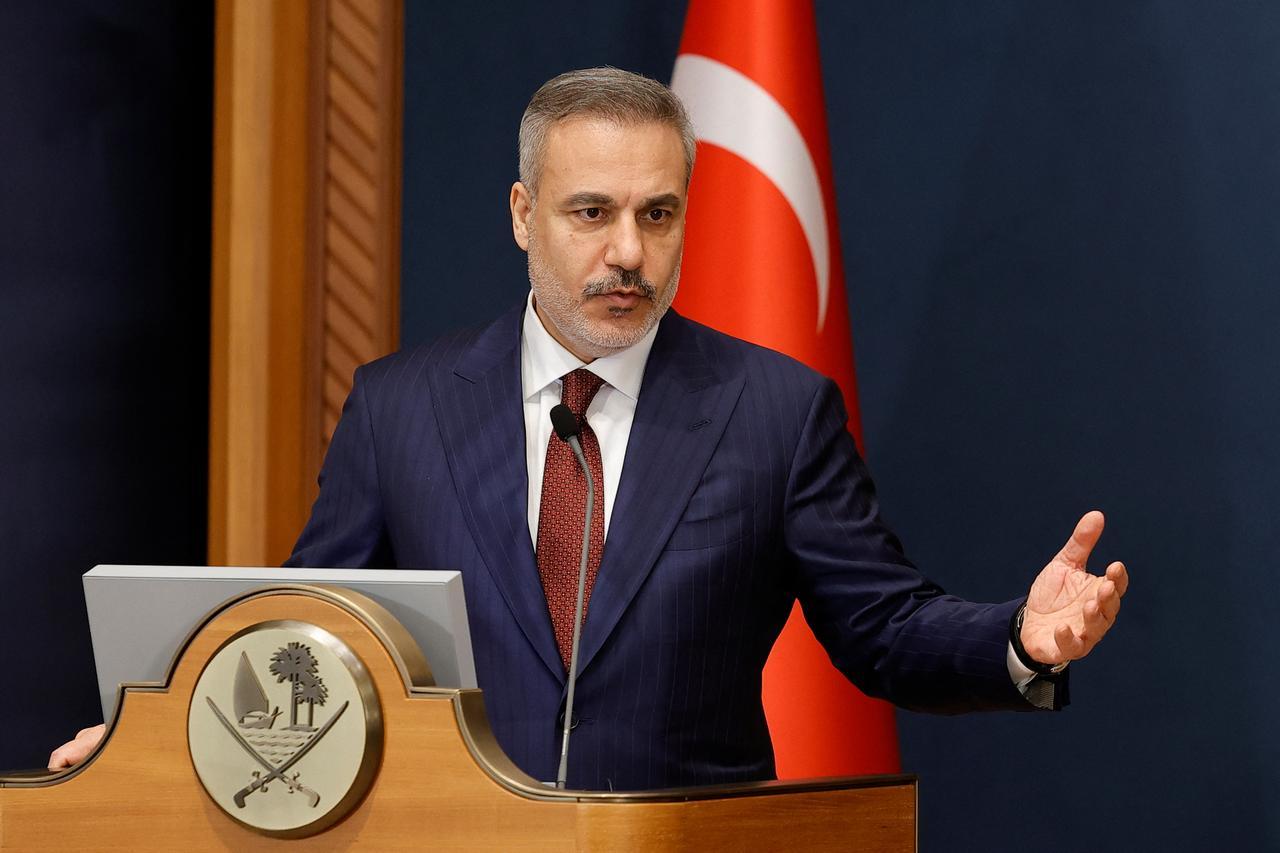
Pakistan emerged as a central diplomatic intermediary in the crisis, with its military leader Army Chief of Staff Asim Munir playing a pivotal role in brokering communications between Washington and Tehran. According to multiple reports, Munir spoke directly with President Trump on March 22, while Pakistani Prime Minister Muhammad Shehbaz Sharif held calls with Iranian President Masoud Pezeshkian on March 23. Pakistan's Foreign Minister Ishaq Dar also engaged with Iranian Foreign Minister Abbas Araghchi, establishing Islamabad as a potential venue for direct negotiations.
The three-nation diplomatic initiative expanded to include Turkey and Egypt, with senior officials from all three countries holding separate talks with both US envoy Steve Witkoff and Iranian Foreign Minister Araghchi. This coordinated regional diplomacy aimed to de-escalate tensions and establish communication channels amid fears of broader regional conflict.
Market Reactions
Trump's announcement triggered immediate and significant market reactions, with global financial markets responding positively to the sudden de-escalation. Brent crude oil plummeted 10.9% to settle at $99.94 per barrel, down from nearly $120 earlier in the week, while US stock futures rose sharply and Treasury yields retreated. The S&P 500 climbed 1.1% for its best day since the war began, reflecting reduced fears of imminent military confrontation.
“The price for a barrel of Brent crude fell 10.9 per cent to settle at $99.94, down from nearly $120 at one point last week. The S&P 500 climbed 1.1 per cent for its best day since the war began.”
However, analysts viewed the market response through the lens of what some termed the 'TACO' (Trump Always Chickens Out) pattern, suggesting Trump's decision may have been influenced by economic rather than purely strategic considerations. The dramatic market swings highlighted how energy markets had become one of the most acute political vulnerabilities for Trump, with surging oil prices directly impacting gasoline prices and inflation expectations in the US during an election year.
Conflicting Narratives
Despite Trump's claims of diplomatic progress, Iranian officials vehemently denied that any direct negotiations were taking place, creating a stark narrative divide between Washington and Tehran. Iran's Foreign Ministry stated there was 'no dialogue' between Tehran and Washington, dismissing Trump's remarks as an attempt to influence energy markets and 'buy time to implement his military plans.' Iranian Parliament Speaker Mohammad Bagher Qalibaf went further, claiming the delay was 'market manipulation' to escape the 'quagmire' the US and Israel were trapped in.
Senior Iranian security officials argued that Trump had 'retreated' due to military threats from Tehran and soaring energy prices, while maintaining that Tehran would continue fighting. However, Iran did acknowledge receiving messages through regional intermediaries, with Foreign Ministry spokesperson Esmaeil Baqaei confirming Tehran had sent 'appropriate responses' to messages conveyed by the US through third countries.
Escalation Continues
Military actions continued despite Trump's announced pause, with reports indicating that energy facilities in Isfahan and Khorramshahr were targeted in separate strikes on March 24. According to Iranian media, a gas management building and gas pressure reduction station in Isfahan were struck, causing damage to nearby residential units, while a missile landed outside a gas pipeline station in Khorramshahr with no reported casualties. These attacks came after earlier incidents on March 18 targeting Iran's South Pars gas field and facilities in Asaluyeh, which Iranian authorities attributed to Israel.
“Early Tuesday Iranian media reported that energy facilities in the cities of Isfahan and Khorramshahr were targeted in separate strikes, despite a previously announced five-day delay on attacks against Iran's energy infrastructure by U.S. President Donald Trump.”
Iranian officials responded with repeated warnings of broader retaliation, with Parliament Speaker Qalibaf stating that if Iranian power plants were targeted, 'vital energy facilities throughout the entire Middle East will face irreversible destruction.' The Islamic Revolutionary Guard Corps (IRGC) also threatened to extend its response beyond Israel to include US military bases and energy infrastructure in countries cooperating with such attacks.