
Trump halts strikes on Iran power plants amid reports of talks with Tehran
Key Takeaways
- Trump postpones strikes on Iran's power plants amid reports of talks.
- Iran denies negotiations; some outlets report outreach and willingness to listen.
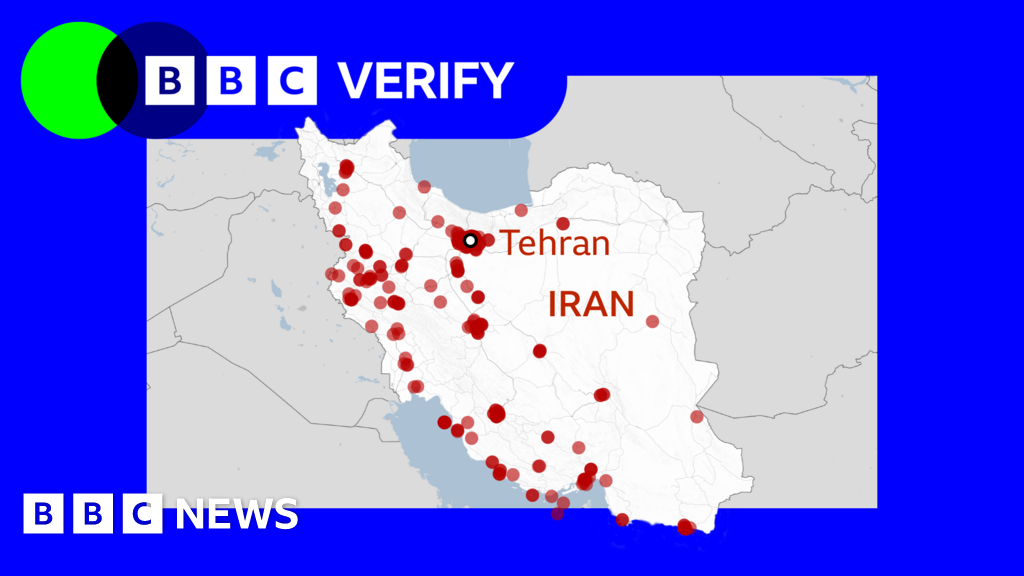
- Gas facilities in Iran targeted; damage reported at South Pars.
Market Reaction
US President Donald Trump abruptly announced a five-day postponement of threatened military strikes against Iranian power plants following claims of 'very good and productive conversations' between Washington and Tehran.
“Marines on their way to the Gulf, both sides firing barrages and Iran denying any negotiations are taking place, the war’s tempo remained high a day after Trump delayed his self-imposed deadline for Iran to reopen the Strait of Hormuz”
The reversal came just hours before the expiration of Trump's 48-hour ultimatum that threatened to 'obliterate' Iran's energy infrastructure unless the strategic Strait of Hormuz was reopened.
The announcement caused oil prices to plummet and stocks to soar temporarily as markets reacted to the apparent de-escalation, though prices later rebounded after Iranian officials denied any dialogue had occurred.
Trump's announcement, made in a characteristically all-caps post on Truth Social containing typographical errors, claimed the US and Iran had reached 'major points of agreement' in talks over the weekend.
The president stated the pause in strikes was 'subject to the success of the ongoing meetings and discussions' and offered Iran 'one more chance at peace.'
Iranian Denials
Iranian officials vehemently denied claims of negotiations with the United States, dismissing Trump's statements as 'fake news' and an attempt to manipulate energy markets.
The Iranian Foreign Ministry, as reported by Mehr news agency, categorically stated 'there are no talks between Tehran and Washington,' describing Trump's claims as part of a push 'to reduce energy prices.'
The speaker of the Iranian parliament, Mohammad-Bagher Ghalibaf, went further by calling the Trump administration's claims of talks 'fake news,' creating confusion about the actual state of diplomatic engagement.
Multiple conflicting reports emerged, with some suggesting that Trump's special envoy Steve Witkoff and son-in-law Jared Kushner had been negotiating with Iranian officials, including Ghalibaf himself.
Iranian media portrayed the US statements as a strategic move to influence global markets and cover up the true situation of the conflict.
Diplomatic Mediation
Multiple regional and international powers stepped up diplomatic efforts to mediate between Washington and Tehran, with Turkey emerging as a key player in de-escalation efforts.
“An Iranian source told CNN there has been “outreach” between the United States and Iran and that Tehran is willing to listen to “suitable” proposals to end the war”
Turkish Foreign Minister Hakan Fidan conducted over a dozen calls with regional and global counterparts over 48 hours, including separate discussions with Iranian and Egyptian foreign ministers as well as US and EU officials.
These discussions focused on 'steps aimed at stopping the war,' according to Turkish diplomatic sources.
Egypt and Pakistan were also confirmed to be relaying messages between the US and Iran as part of broader mediation efforts, with officials in Islamabad raising the prospect of a meeting between Iranian officials and Trump's envoys.
Russia joined the diplomatic push by calling for an 'immediate cessation of hostilities' in a call with Iran's top diplomat Abbas Araghchi.
Military Escalation
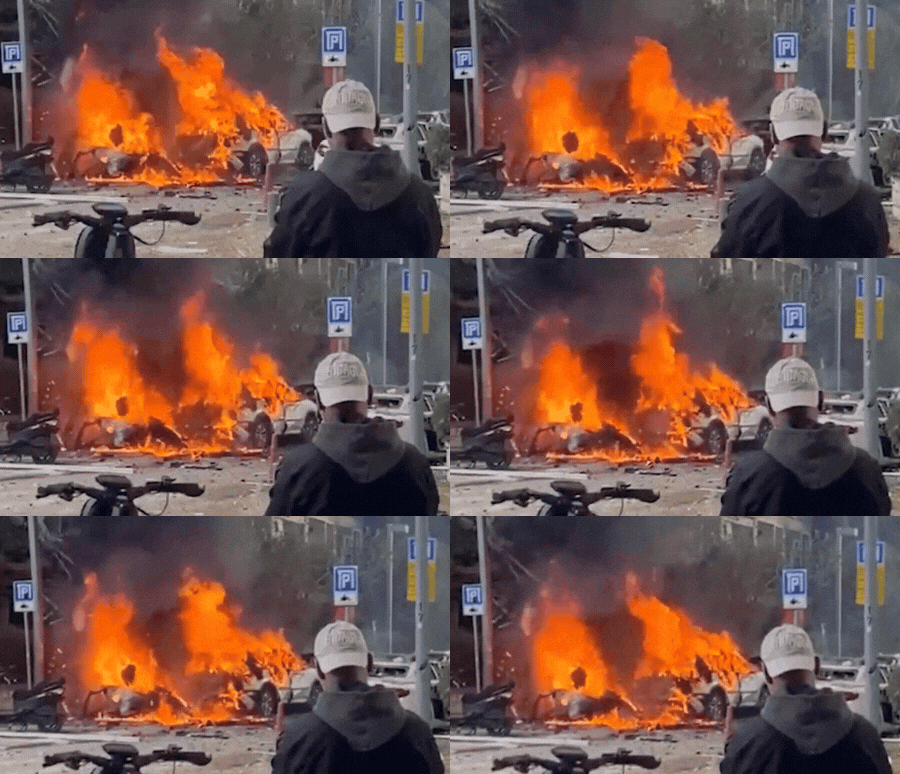
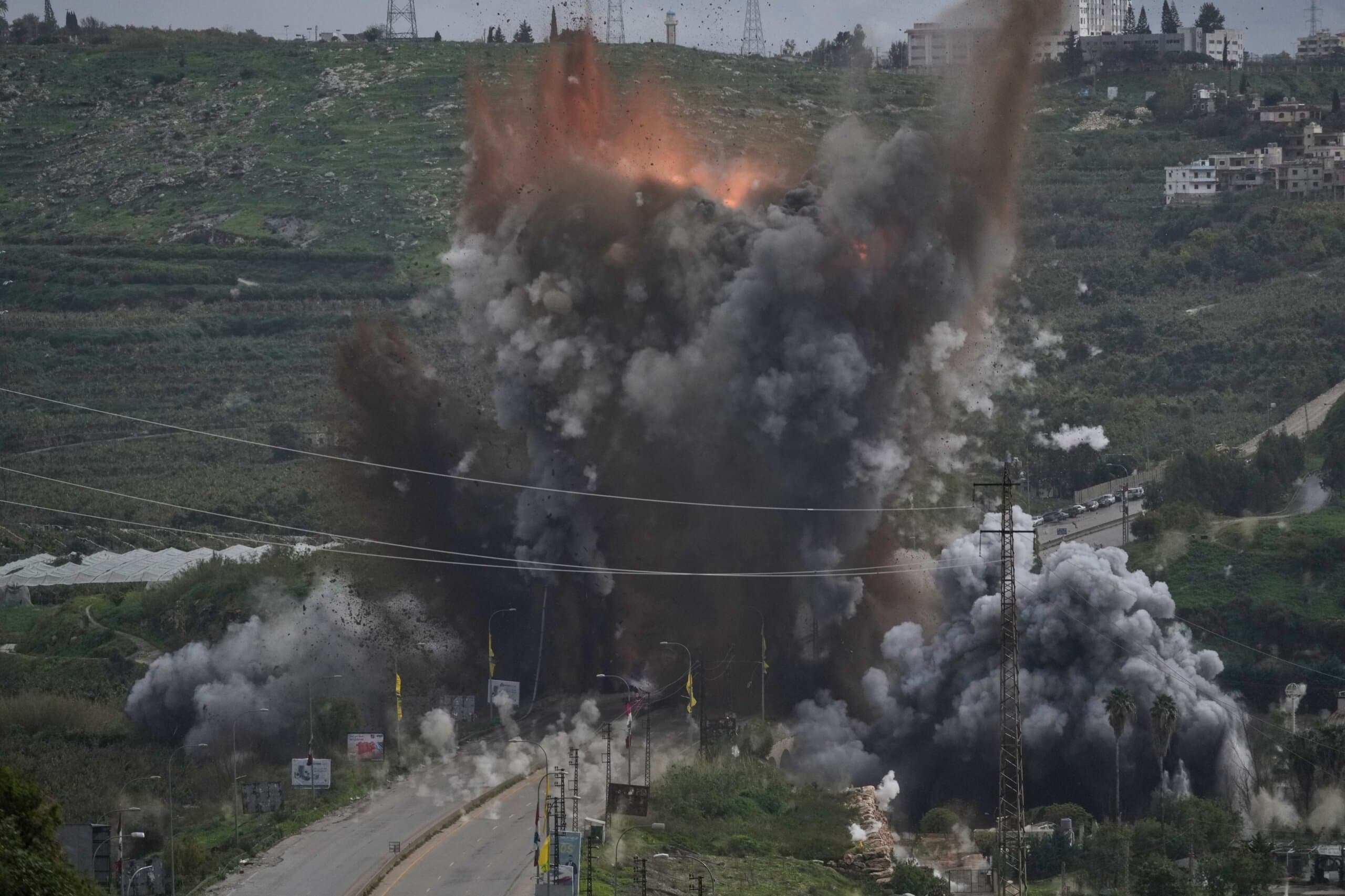
Despite diplomatic efforts, military operations continued on multiple fronts with both Iran and Israel conducting strikes against each other's targets.
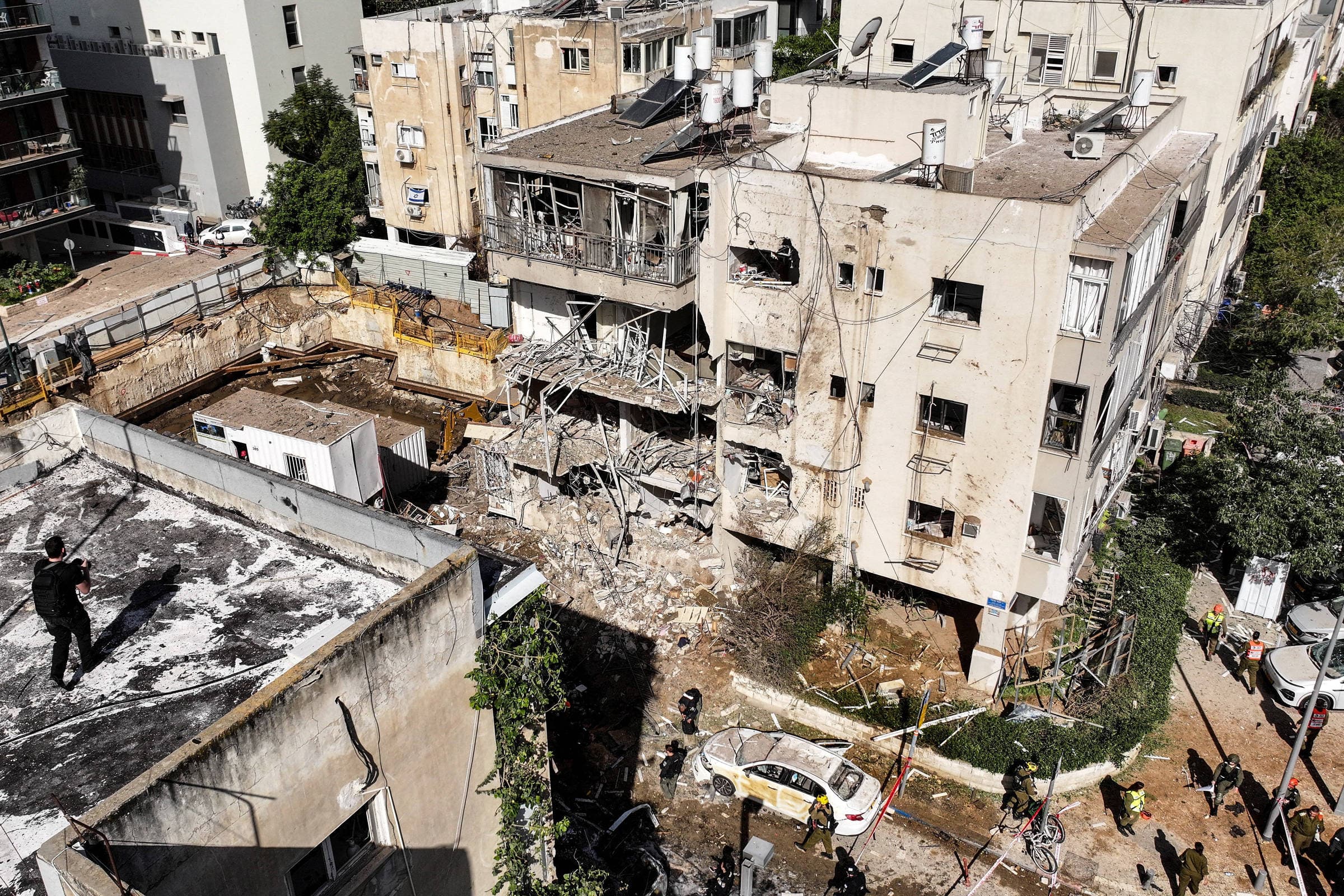
Iranian missiles attacked Israeli towns including Dimona, close to the country's nuclear facility, injuring dozens and causing significant damage to buildings and infrastructure.

Israeli authorities estimated the damage was caused by a fragmentation missile with multiple warheads containing about 100 kilograms of explosives each.
In response, Israel's military announced it was conducting strikes on Iranian regime targets in 'the heart of Tehran' and confirmed its artillery fire had killed an Israeli civilian near the Lebanese border.
Iran also expanded its attacks against Gulf countries, hitting power lines in Kuwait and destroying 19 Iranian drones according to Saudi Arabia's Defense Ministry.
Legal Concerns
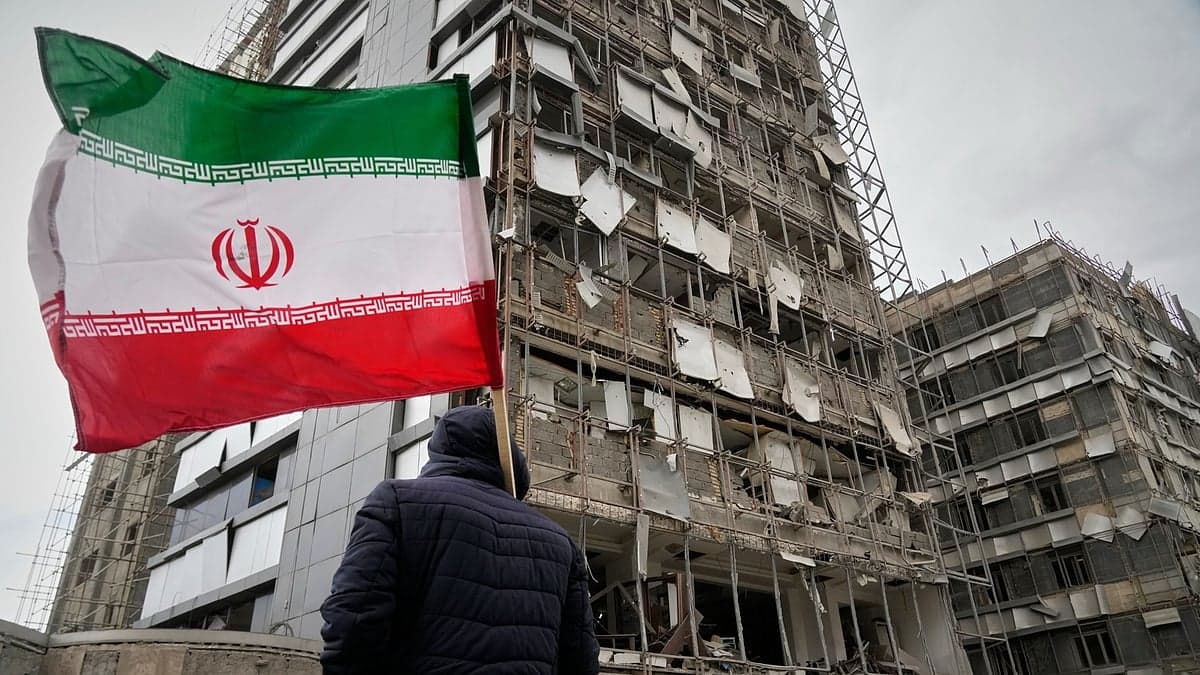
Legal experts expressed serious concerns about the potential targeting of civilian power infrastructure, warning that such attacks could violate international humanitarian law and constitute war crimes.
“The attacks on gas facilities in Iran and a new wave of missiles against Israel marked the escalation of the conflict on Tuesday (24), one day after President Donald Trump announced alleged negotiations underway”
Craig Jones, a senior lecturer at Newcastle University, highlighted two key legal questions: whether such strikes would have a 'concrete and direct' military advantage, and whether any advantage would be proportionate to the harm inflicted on civilians and the environment.
He emphasized that even legitimate military advantages must be weighed against potential negative effects on civilian infrastructure, energy demands, and the needs of the entire country.
Amnesty International's regional director for the Middle East and North Africa, Heba Morayef, warned of 'devastating civilian harm arising from strikes targeting energy infrastructure,' noting they would result in a 'substantial risk such attacks would violate international humanitarian law.'
UN special rapporteur on counterterrorism and human rights Ben Saul similarly condemned both US and Iranian threats to targeting civilian energy infrastructure.
Humanitarian Impact
The conflict has had severe humanitarian consequences across the region, with significant civilian casualties and displacement reported in multiple countries.
In Iran, at least 3,230 people have died in the war including 1,406 civilians according to the US-based Human Rights Activists News Agency.
The BBC reported that at the start of the war, at least 168 people including children were killed when a primary school in Minab, southern Iran, was hit on February 28.
Experts analyzing video evidence suggested the munition was a US Tomahawk missile, with neither Israel nor Iran known to possess such weapons.
The targeting of power infrastructure raises particular concerns for civilian populations, as Iran's energy network comprises about 500 power plants including the Damavand plant which provides electricity for approximately 10 million people in Tehran province.
More on Iran
US Reaches Out to Iran via Intermediaries to Explore Ending the War.
15 sources compared
Airstrikes batter Iran as Tehran fires at Tel Aviv amid Trump talks
15 sources compared
Trump Claims Talks With Iran Underway as Tehran Denies; US Pauses Strikes on Energy Infrastructure.
27 sources compared

Trump offers five-day pause on strikes as talks with Iran continue.
72 sources compared