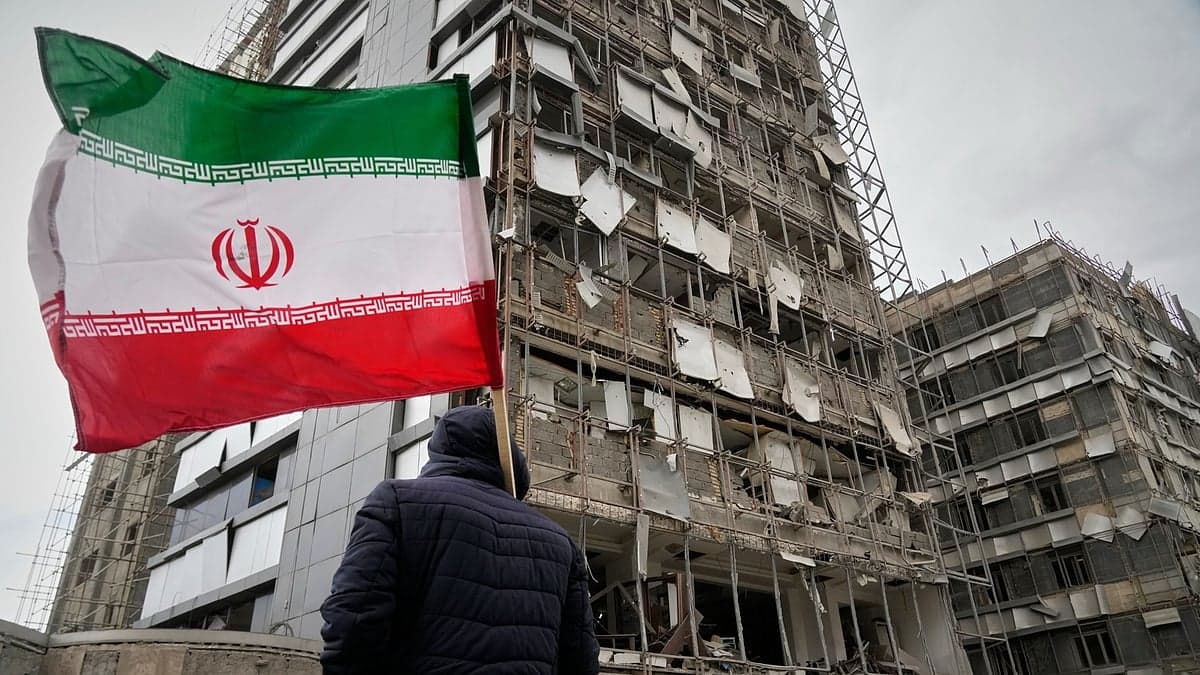
US Reaches Out to Iran via Intermediaries to Explore Ending the War.
Key Takeaways
- US initiated outreach to Iran through intermediaries; no formal negotiations yet.
- Iran willing to listen to sustainable proposals to end the war.
- Pakistan offers to host US-Iran talks to de-escalate tensions.
Diplomatic Outreach Begins
The United States has initiated diplomatic outreach to Iran through intermediaries in recent days.
“US reached Iran through intermediaries in recent days: Report Tehran willing to listen if proposal preserves Iran's national interests, source tells CNN ISTANBUL Washington has made contact with Tehran through intermediaries in recent days, but the outreach has not yet reached the level of formal negotiations, a source familiar with the matter told CNN on Tuesday”
Multiple sources confirm that messages have been exchanged between Washington and Tehran via various intermediaries.

These communications have not yet reached the level of formal negotiations.
According to a source familiar with the matter, the outreach aims to 'scope out whether an agreement to end the war can be reached.'
Proposals are targeting 'a concrete agreement to end the conflict' rather than merely a ceasefire.
This diplomatic probing comes as the conflict enters its fourth week.
Both sides are exploring potential pathways to de-escalation despite ongoing military tensions.
Iran's Negotiation Position
Iran has publicly maintained its position that it is willing to consider viable proposals to end the conflict.
Iran has explicitly rejected both direct talks and formal negotiations.
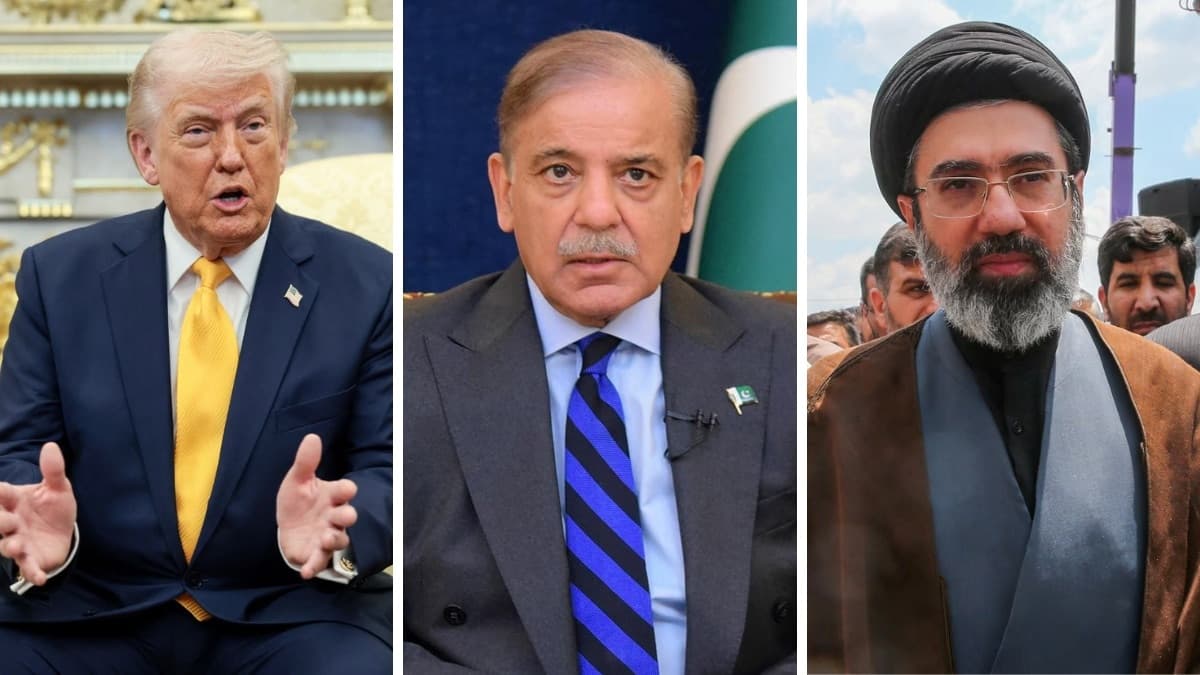
Tehran's conditions include preservation of national interests and guaranteed non-development of nuclear weapons.
Iran maintains its right to peaceful nuclear technology while demanding complete lifting of all sanctions.
Iranian officials emphasize they are 'not asking for a meeting or direct talks with the United States'.
They are 'willing to listen if a plan for a sustainable deal comes within reach that would preserve national interests'.
Despite these positions, Iranian state-linked media have consistently denied that any negotiations are underway.
This creates a significant gap between private diplomatic communications and public statements.
Regional Mediation Efforts
Regional powers have emerged as crucial intermediaries in diplomatic efforts.
“Efforts to de-escalate tensions between the United States and Iran are beginning to take a clearer shape, with Pakistan emerging as a potential host for direct talks”
Pakistan has positioned itself as the primary mediator in the peace initiative.
Islamabad's unique diplomatic position—ties with both Trump administration and Iran—makes it ideal for communication.
Pakistani military and diplomatic leadership have been actively engaged.
Army Chief Asim Munir reportedly spoke directly with US President Trump.
Prime Minister Shehbaz Sharif held discussions with Iranian President Masoud Pezeshkian.
Turkey and Egypt have stepped up their diplomatic efforts alongside Pakistan.
Turkish Foreign Minister Hakan Fidan and Egyptian Foreign Minister Badr Abdelatty are coordinating with counterparts.
They aim to establish a 'strategic synergy' focused on de-escalation.
Trump's Diplomatic Shift
US President Donald Trump has signaled a shift toward diplomacy.
He announced a temporary pause in planned strikes against Iranian energy infrastructure.

Trump claimed recent engagement has produced 'very good and productive conversations' with Tehran.
The president revealed talks had taken place the previous day.
He described them as 'very strong' engagements yielding 'major points of agreement'.
Trump has given diplomacy a five-day window before making further decisions.
He expressed optimism about negotiations leading to 'a very good deal for everybody'.
Iranian officials have publicly rejected any notion of ongoing talks.
Trump refused to name the specific Iranian leader with whom he claims to be communicating.
He only referred to 'the man who I believe is the most respected and the leader' in Iran.
Conflict Consequences
The ongoing conflict has produced devastating humanitarian and economic consequences.
“• US-Iran contact: An Iranian source told CNN there had been “outreach” between the United States and Tehran and that Iran is willing to listen to “sustainable” proposals to end the war”
Over 2,000 people have been killed since the war began on February 28.
The closure of the Strait of Hormuz has intensified global economic concerns.
The strait carries nearly 20% of global oil and liquefied natural gas shipments.
Iranian attacks and naval activity have effectively halted shipping through the strait.
This has pushed oil prices higher and increased fears of inflation and supply disruptions.
Financial markets have reacted with volatility due to the crisis on global energy flows.
The human cost has been substantial, with four people injured in an Iranian missile attack.
One man was moderately wounded and two infants suffered minor injuries in the attack.
Diplomatic Uncertainty
Despite diplomatic activity, there remains significant uncertainty about negotiation status.
Iranian officials have consistently denied any formal or informal talks in public statements.
Foreign Ministry spokespersons dismiss claims of negotiations as inaccurate.
They suggest Washington's statements may be aimed at 'influencing financial and oil markets'.
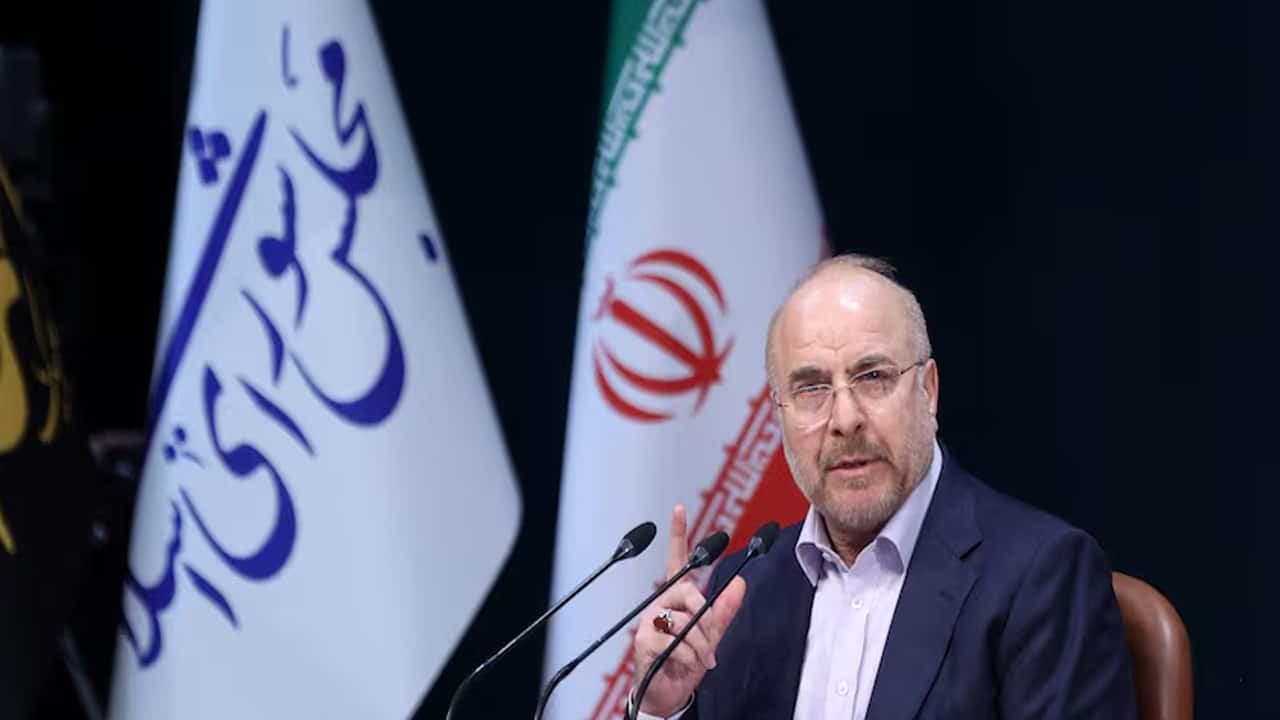
Iranian Parliament Speaker Mohammad Bagher Ghalibaf called Trump's claims 'fake news'.
Ghalibaf suggested this was designed to manipulate markets.
The White House cautioned against speculation.
They emphasized 'sensitive diplomatic discussions' and that 'US will not negotiate through the press'.
This contradiction creates a complex diplomatic landscape with tactical positioning.
Both sides maintain public postures denying meaningful engagement.
More on Iran

Pakistan PM Sharif Offers to Host US-Iran Talks to End Middle East War
17 sources compared
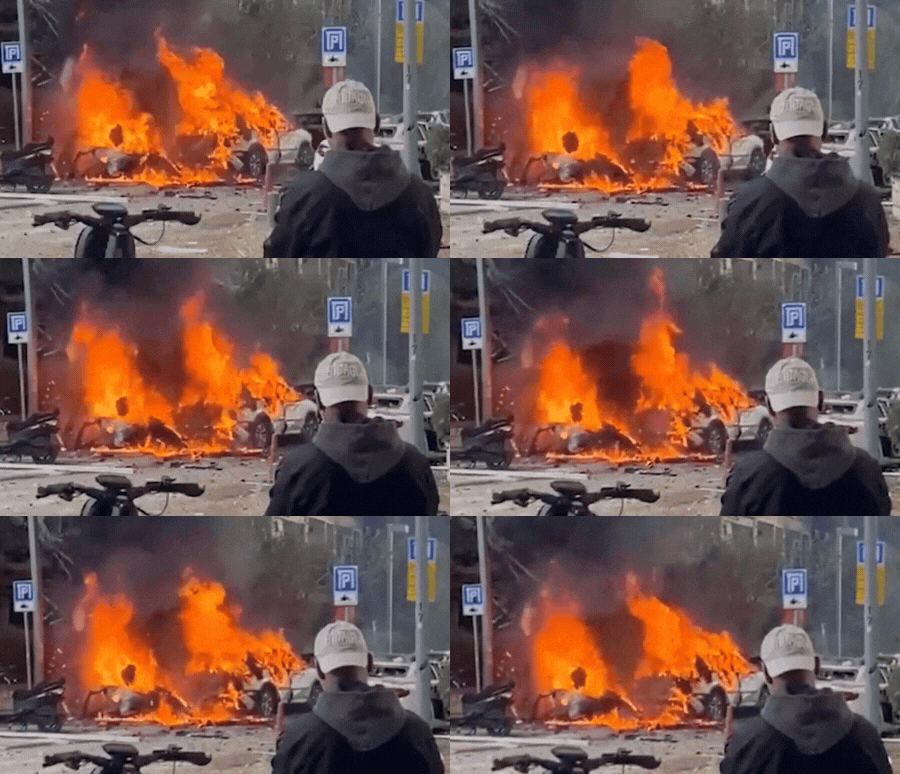
Airstrikes batter Iran as Tehran fires at Tel Aviv amid Trump talks
15 sources compared
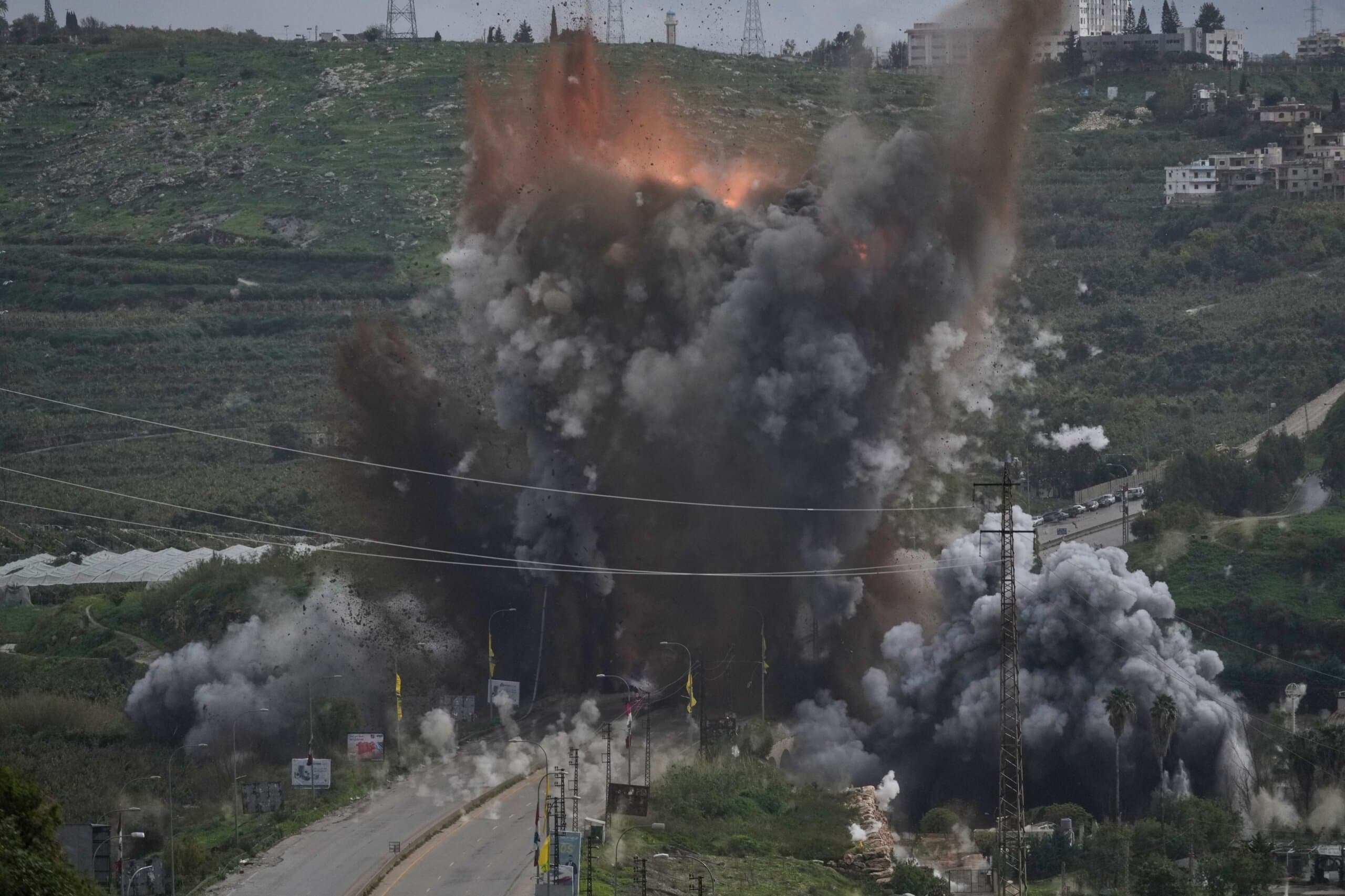
Trump Claims Talks With Iran Underway as Tehran Denies; US Pauses Strikes on Energy Infrastructure.
27 sources compared

Prime Minister Sharif Offers to Host US-Iran Talks to End Iran War
62 sources compared