
Pakistan PM Sharif Offers to Host US-Iran Talks to End Middle East War
Key Takeaways
- Sharif says Pakistan ready to host US-Iran talks to end Middle East war.
- Pakistan aims for a comprehensive settlement, contingent on US concurrence.
- Analysts view Islamabad as neutral mediator leveraging longstanding ties to Iran.
Pakistan's Formal Peace Offer
Pakistani Prime Minister Shehbaz Sharif formally offered his country as a neutral venue for US-Iran peace negotiations to end the ongoing Middle East war.
“Islamabad, Pakistan – The Ministry of Foreign Affairs has said Pakistan is ready to host talks between the United States and Iran amid US President Donald Trump’s claims of ongoing negotiations between Washington and Tehran”
Sharif declared Pakistan 'ready and honoured to be the host to facilitate meaningful and conclusive talks for a comprehensive settlement.'
The offer came amid heightened diplomatic activity as the conflict enters its fourth week with over 2,000 reported deaths and millions displaced.
Sharif's statement on X tagged President Donald Trump, US Special Envoy Steve Witkoff, and Iranian Foreign Minister Abbas Araghchi.
This diplomatic move follows reports that Pakistan's army chief Gen. Asim Munir spoke with President Trump about the Iran war.
US President Trump later shared Sharif's post on his Truth Social platform, showing the proposal has gained attention from the highest levels.
Pakistan's Diplomatic Credibility
Pakistan has emerged as a uniquely credible mediator in the US-Iran conflict due to its distinctive diplomatic positioning and strategic relationships.
The country maintains direct contact with both Washington and Tehran at a time when such channels are largely frozen for other nations.

Pakistan's importance stems from its standing as a major Islamic country with considerable credibility and ties to the Gulf, Saudi Arabia, and Iran.
Former diplomat Salman Bashier noted that mediation serves Pakistan's own interests, as the country has been talking to both the Trump administration and Iran.
Pakistan's army chief Field Marshal Asim Munir has built a close relationship with Trump to repair years of mistrust.
Pakistan's home to the world's second-largest Shiite Muslim population after Iran has given it particular leverage in engaging with Tehran.
Diplomatic Challenges
Despite Pakistan's diplomatic overtures, significant challenges remain in achieving a comprehensive peace settlement.
“ISLAMABAD: Pakistan’s role as a possible host of talks aimed at ending the Iran war builds on its courtship of US President Donald Trump and its reputation as a relatively neutral player with long-standing ties to neighboring Iran’s Islamic Republic”
The conflict has reached a critical juncture with Iran remaining highly suspicious of the US, which twice attacked during high-level diplomatic talks.
Regional analysts note that 'Israel does not want an end to the war and does not want the US to negotiate with Iran, directly or through intermediaries like Pakistan,' creating a major obstacle to peace.
Israeli Prime Minister Benjamin Netanyahu has spoken to Trump about negotiations but made clear that Israeli strikes in Iran would continue regardless.
Meanwhile, Iranian officials have denied that negotiations are underway, with Tehran's foreign ministry suggesting messages were received from 'some friendly countries indicating a US request for negotiations.'
Iran emphasizes its principled positions and demands for guarantees against future attacks and reparations.
Regional Peace Efforts
Pakistan's diplomatic initiative has gained momentum as part of a broader regional peace effort that includes Egypt and Turkey.
These three countries have been actively engaged in back-channel communications, helping to secure a five-day pause on US strikes targeting Iranian energy and power infrastructure.
Pakistani sources highlight that this quiet diplomacy demonstrates 'how discreet communication can advance global peace.'
The groundwork for the latest diplomatic push was laid in Riyadh last week, when Saudi Arabia convened an emergency meeting of foreign ministers from 12 Arab and Islamic countries.
While Gulf states have been targeted by Iran's attacks, they have notably stayed out of formal mediation.
Pakistan's Foreign Ministry has urged media against speculation, stating that 'diplomacy and negotiations often require that certain matters be advanced with discretion.'
Geopolitical Implications
Pakistan's emergence as a key diplomatic player in the Middle East conflict carries significant geopolitical implications and potential benefits for the country.
“Pakistani Prime Minister Shehbaz Sharif on Tuesday said his country is willing to host talks between the U”
Islamabad is positioning itself as 'a potential venue for talks between the Trump administration and Tehran,' an opportunity that could raise Pakistan's global prominence to heights not reached since 1972.

The country has been actively involved in shuttling at least half a dozen messages between the US and Iran since the conflict began.
Pakistan's diplomatic engagement with the Trump administration has been extensive, with the country joining Trump's Board of Peace and striking deals with Trump-linked businesses.
The stakes are particularly high for Pakistan, as the risk of a prolonged war spilling over into Pakistan is among Islamabad's biggest fears.
Analysts suggest that successful mediation would not only help stabilize the region but also cement Pakistan's position as an important diplomatic actor on the world stage.
More on Iran

President Trump says talks underway to end war with Iran; Iran denies talks.
15 sources compared
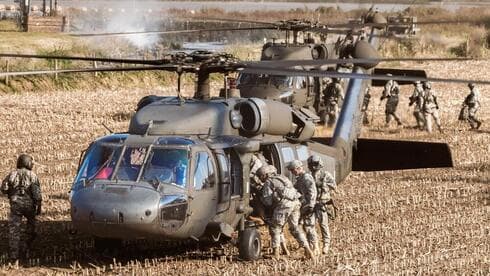
War Department orders 82nd Airborne to Middle East as White House weighs Iran ground war
10 sources compared
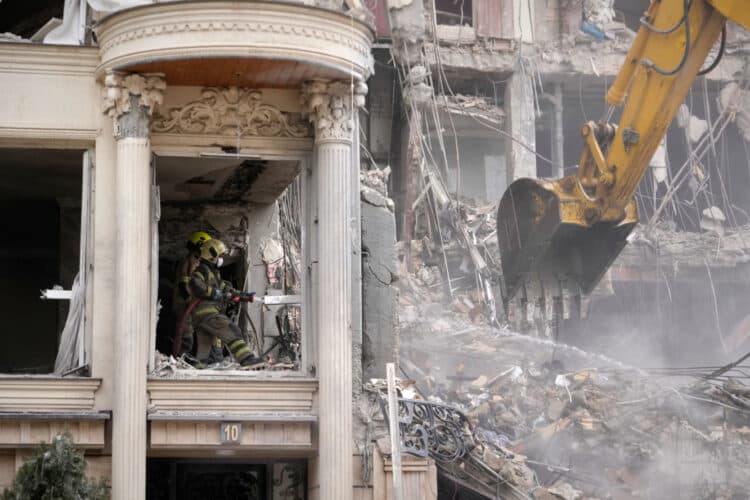
President Donald Trump Pauses Iranian Strikes on Energy Infrastructure for Five Days
12 sources compared
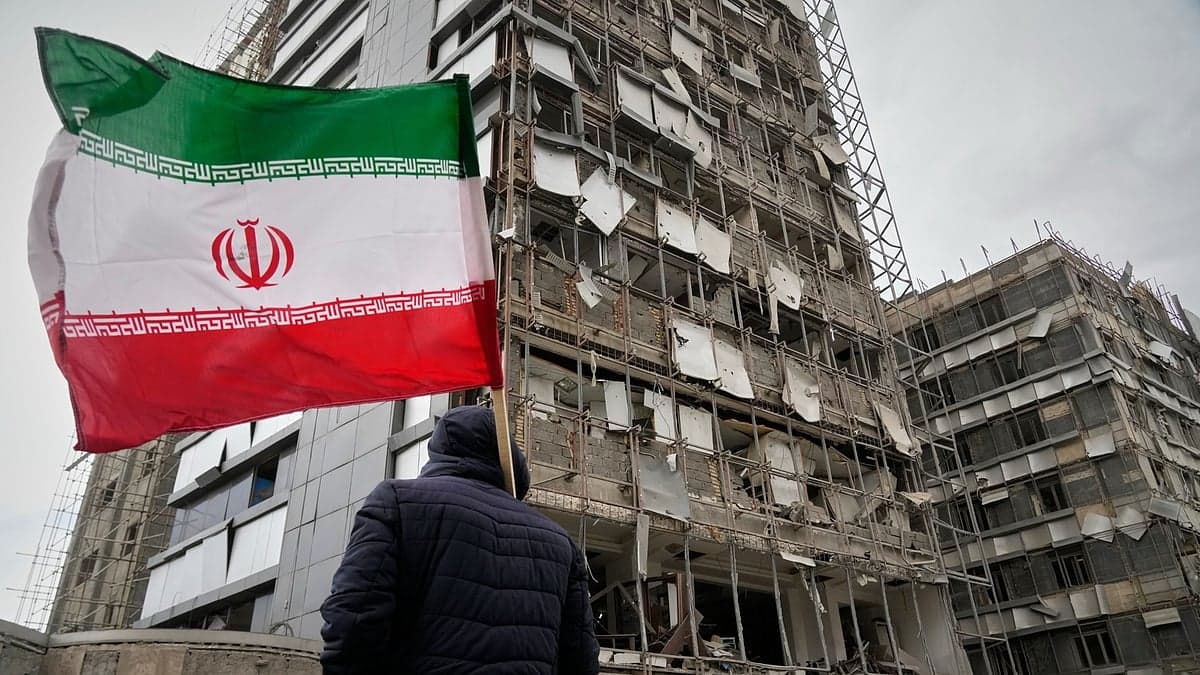
US Reaches Out to Iran via Intermediaries to Explore Ending the War.
15 sources compared