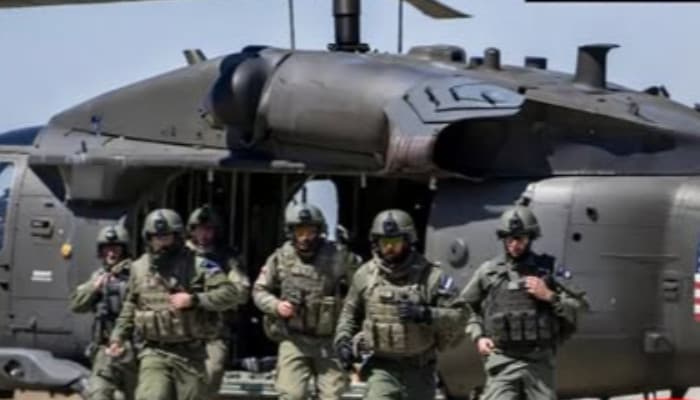
U.S. Deploys 82nd Airborne Division troops to Middle East amid Iran tensions
Key Takeaways
- Pentagon weighs deploying about 3,000 82nd Airborne troops to the Middle East.
- Deployment would utilize the Immediate Response Force and include headquarters elements.
- Deterrence objectives include seizing Kharg Island or pressuring the Strait of Hormuz.
Troop Deployment Details
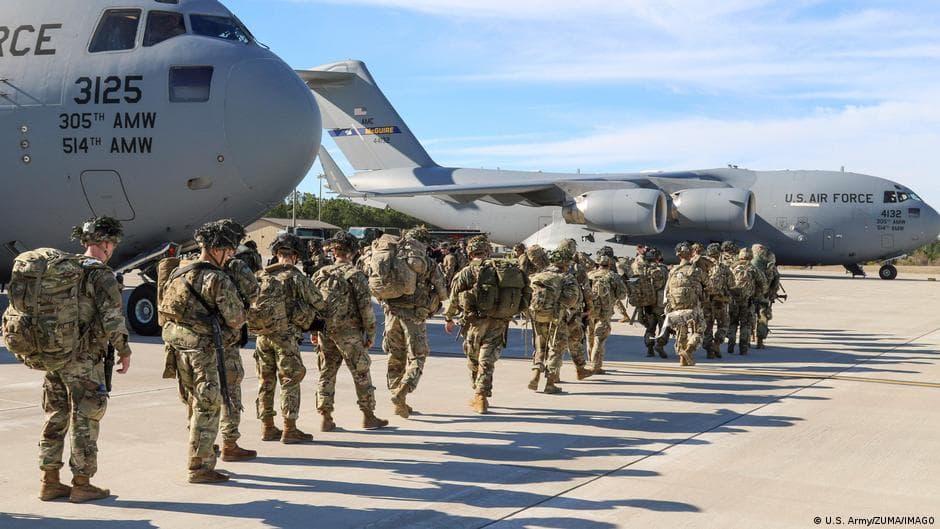
The Pentagon is preparing to deploy approximately 3,000 troops from the Army's elite 82nd Airborne Division to the Middle East as part of escalating military operations against Iran.
“"And then they met to choose new leaders and we killed all of them”
The deployment includes a combat brigade from the division's "Immediate Response Force," capable of deploying anywhere in the world within 18-24 hours.

The move also includes elements of the division's headquarters staff to coordinate potential operations.
This represents a significant expansion of the U.S. military buildup in the region, which already includes tens of thousands of troops.
The rapid-reaction airborne force specializes in parachute assaults and establishing operational footholds in hostile territories.
Conflict Casualties
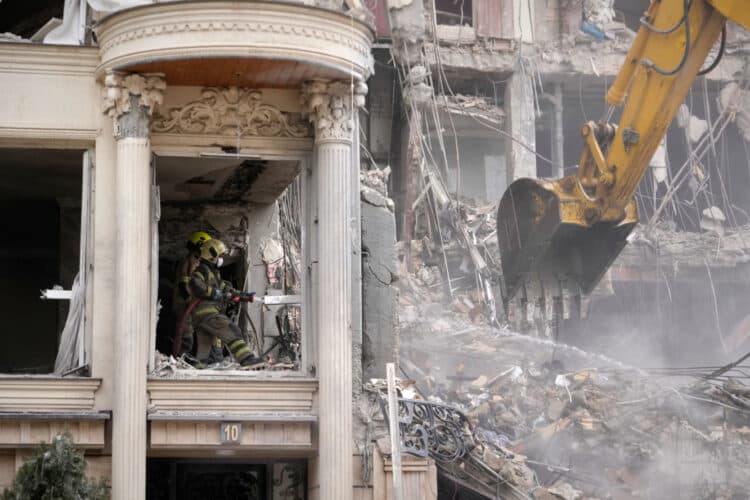
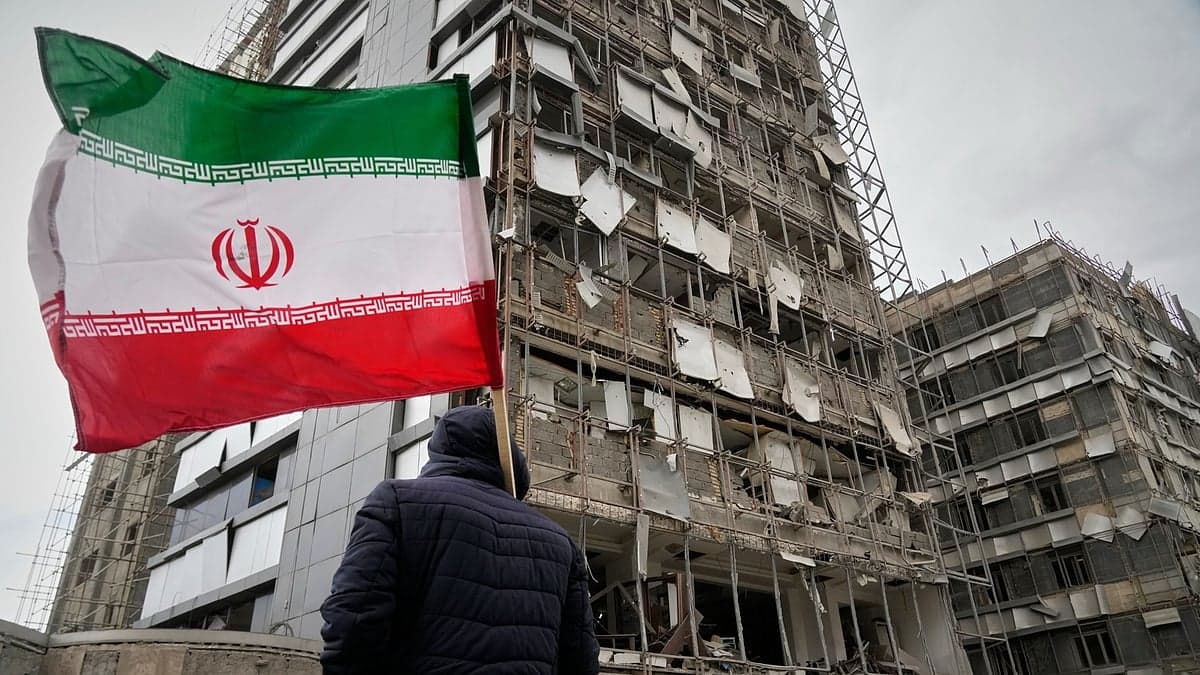
The deployment comes amid escalating tensions between the U.S.-Israel coalition and Iran, with military operations that have already resulted in significant casualties and destruction.
Since the U.S. and Israel launched joint military strikes on Iran on February 28, the U.S. military has conducted more than 9,000 strikes inside Iran.
These strikes have damaged or sunk over 140 Iranian naval vessels and targeted missile launchers, navy assets, and Iran's defense industrial base.
The conflict has caused at least 1,300 deaths in Iran, while Israeli airstrikes have killed over 1,000 people in Lebanon.
At least 13 U.S. military members have lost their lives in the ongoing conflict.
Potential Strategic Missions
Military planners are reportedly considering several potential missions for the 82nd Airborne forces, with the most prominent being the seizure of Kharg Island.
Kharg Island is Iran's primary oil export hub that handles approximately 90% of the country's oil shipments.
Controlling Kharg Island would significantly disrupt Iran's energy exports and economic capabilities.
Other potential missions include securing the Strait of Hormuz through which about a fifth of the world's oil passes.
Military officials have discussed the possibility of U.S. Marines being deployed first to repair the airfield damaged in recent strikes.
Political Implications
The deployment decision comes amid complex political dynamics and public opinion challenges for the Trump administration.
While President Trump announced a pause in planned strikes on Iranian power plants and claimed 'productive' talks with Tehran, Iranian officials denied that any talks had been held.

A Reuters/Ipsos poll found that only 35% of Americans approve of the U.S. strikes on Iran, down from 37% in the previous week.
This low public support poses significant political risks for Trump, given his pre-election promises to avoid entangling the U.S. in new Middle East conflicts.
The Pentagon has requested $200 billion in supplemental funds to pay for the war, with Chuck Schumer calling it a 'preposterous and dangerous risk'.
Current Situation
Despite the military buildup, the situation remains fluid with mixed signals from the Trump administration about future actions.
“Vets, which offers a deployment resource guide”
President Trump has publicly stated that the U.S. is considering 'winding down' its Middle East military operation while simultaneously requesting additional funding for the war.
British ministers have agreed to allow the U.S. military to use the U.K.'s bases in operations to prevent Iran attacking ships in the Strait of Hormuz.
The deployment of the 82nd Airborne Division represents a significant escalation that increases the possibility of U.S. ground troops entering Iranian territory.
Military officials describe the current planning as 'prudent preparation' for various contingencies.
More on Iran

President Trump says talks underway to end war with Iran; Iran denies talks.
15 sources compared

Pakistan PM Sharif Offers to Host US-Iran Talks to End Middle East War
17 sources compared
President Donald Trump Pauses Iranian Strikes on Energy Infrastructure for Five Days
12 sources compared
US Reaches Out to Iran via Intermediaries to Explore Ending the War.
15 sources compared