
Prime Minister Sharif Offers to Host US-Iran Talks to End Iran War
Key Takeaways
- Pakistan ready to host US-Iran talks aimed at ending the Iran war.
- Pakistan positions itself as a neutral mediator with longtime US-Iran ties.
- Reports cite Islamabad as potential venue as Washington-Iran talks surface amid mixed signals.
Pakistan's Mediation Offer
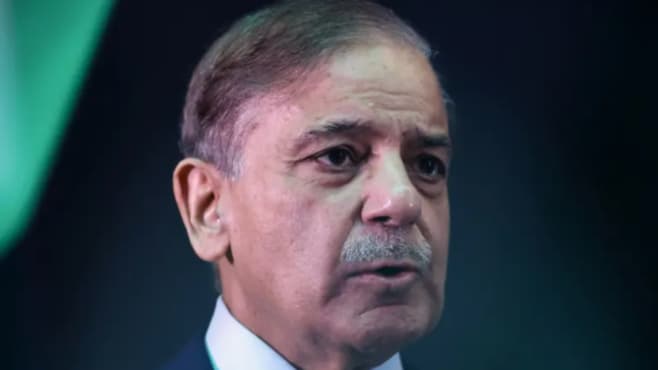
Prime Minister Shehbaz Sharif of Pakistan has formally offered to host peace talks between the United States and Iran as diplomatic efforts intensify to end the ongoing Middle East conflict entering its fourth week.
“Trump did not identify who the U”
In a public statement posted on social media, Sharif emphasized Pakistan's readiness to facilitate 'meaningful and conclusive talks for a comprehensive settlement' of the war, contingent upon mutual agreement from both Washington and Tehran.

Pakistan is strategically positioning itself as a neutral mediator with unique access to both sides, having cultivated close ties with the Trump administration while maintaining longstanding diplomatic relations with Iran's government.
The formal offer follows extensive behind-the-scenes diplomatic activity and reflects Pakistan's growing role as a potential diplomatic bridge in one of the most volatile conflicts in the region.
Backchannel Diplomacy
Pakistan's mediation role builds on extensive backchannel diplomacy that has been underway for weeks, involving coordinated efforts with regional powers Turkey and Egypt.
Diplomatic sources confirm that Pakistan's military leadership, particularly Chief of Defence Forces Field Marshal Asim Munir, has been actively engaging with both Washington and Tehran.

Munir reportedly held a direct phone conversation with US President Donald Trump on Sunday, while Prime Minister Sharif separately spoke with Iranian President Masoud Pezeshkian the following day.
These high-level contacts are part of a broader regional mediation effort that has successfully secured a temporary five-day pause in US strikes targeting Iranian energy infrastructure, demonstrating the effectiveness of Pakistan's diplomatic positioning in de-escalating tensions.
Iran's Position
Iran has publicly denied that any direct negotiations are taking place with the United States, despite President Trump's claims of 'very good and productive conversations' aimed at achieving a 'complete and total resolution' of hostilities.
“Analysis-Pakistan leans on US and Iran ties to emerge as potential peacebroker By Ariba Shahid, Saad Sayeed and Mubasher Bukhari ISLAMABAD, March 24 (Reuters) - Pakistan's role as a possible host of talks aimed at ending the Iran war builds on its courtship of U”
Iranian officials acknowledge receiving messages through 'friendly countries' indicating a US request for negotiations, but maintain that any responses have been consistent with Iran's 'principled positions.'
Tehran has outlined specific conditions for ending the conflict, including guarantees against future military action, closure of all US military bases in the Gulf region, full reparations from Washington and Tel Aviv, an end to regional conflicts involving Iran-aligned groups, and a new legal framework governing the Strait of Hormuz.
Iranian parliamentary speaker Mohammad Bagher Ghalibaf dismissed Trump's claims as 'fake news' intended to 'manipulate financial and oil markets and to escape the quagmire in which America and Israel are trapped.'
Strategic Interests
Pakistan's mediation initiative carries significant global implications, particularly regarding energy security and regional stability.
The conflict has already caused the worst energy supply shock in modern history with Iran effectively closing the Strait of Hormuz, a conduit for a fifth of the world's oil and liquefied natural gas.

Pakistan's strategic interests are compelling: the country hosts the world's second-largest Shia Muslim population after Iran, faces nationwide protests following the initial US-Israeli strikes, and suffers from fuel disruptions caused by the conflict.
Pakistan also maintains close military ties with Saudi Arabia, which has come under Iranian missile and drone attacks, creating a complex balancing act.
Analysts suggest that ending the war represents not merely a diplomatic choice but a matter of direct national interest for Pakistan, which could face domestic vulnerabilities including energy shortages, pressure to defend Saudi Arabia, economic collapse, refugee inflows, and sectarian conflict if the conflict escalates further.
International Response
The international community has responded with cautious optimism to Pakistan's diplomatic overtures, recognizing both the potential significance and the substantial challenges ahead.
“ISLAMABAD: Pakistan’s role as a possible host of talks aimed at ending the Iran war builds on its courtship of US President Donald Trump and its reputation as a relatively neutral player with long-standing ties to neighboring Iran’s Islamic Republic”
The White House has maintained a cautious stance, with Press Secretary Karoline Leavitt stating that 'these are sensitive diplomatic discussions, and the United States will not negotiate through the press' while acknowledging that 'this is a fluid situation.'
Several countries besides Pakistan, Turkey and Egypt have also been involved in mediation efforts, including Saudi Arabia and Qatar, reflecting the broad regional consensus on the need for de-escalation.
Analysts caution that while the diplomatic movement represents a positive development, substantive negotiations remain challenging given the deep mistrust between Washington and Tehran, divergent strategic objectives, and the complexity of issues including Iran's nuclear program, regional security arrangements, and the future governance of the Strait of Hormuz.
Nevertheless, Pakistan's emergence as a central diplomatic broker represents a significant geopolitical development that could reshape regional dynamics and potentially provide a pathway toward ending a conflict that has already caused thousands of deaths and widespread destruction.
More on Iran

President Trump says talks underway to end war with Iran; Iran denies talks.
15 sources compared
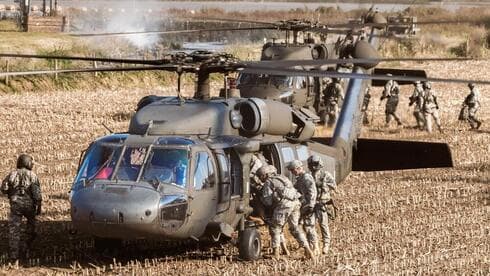
War Department orders 82nd Airborne to Middle East as White House weighs Iran ground war
10 sources compared
Pakistan PM Sharif Offers to Host US-Iran Talks to End Middle East War
17 sources compared
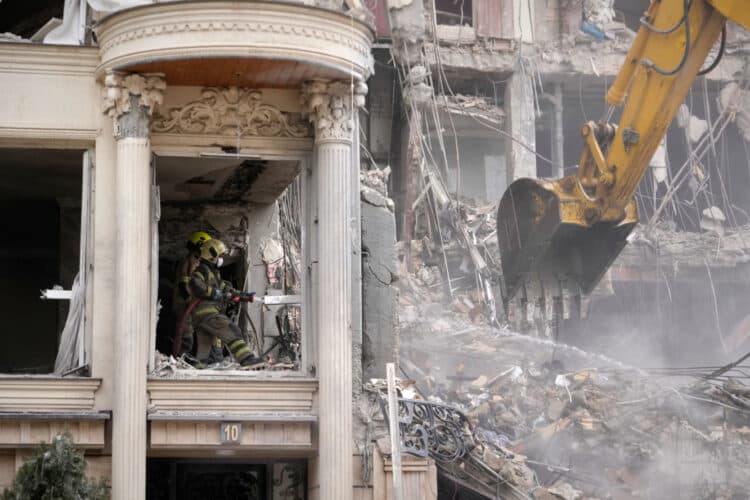
President Donald Trump Pauses Iranian Strikes on Energy Infrastructure for Five Days
12 sources compared