Airstrikes batter Iran as Tehran fires at Tel Aviv amid Trump talks
Key Takeaways
- Iran fired waves of missiles toward Israel, including Tel Aviv, causing damage.
- Tel Aviv injuries reported range from four to six people.
- Trump said progress in talks to end the war; Iran denied negotiations.
Military Escalation
Intense military exchanges continued to escalate the three-week Middle East conflict as Iranian forces launched fresh missile and drone strikes targeting Israel's Tel Aviv and multiple Persian Gulf states.
“The Trump administration is not confirming if and when in-person talks will take place between U”
While Israeli and American forces conducted extensive airstrikes across Iran, the latest round of violence came amid contradictory signals about diplomatic efforts.

President Trump claimed his administration was engaged in 'very good talks' to end the war while Iranian officials vehemently denied any negotiations were taking place.
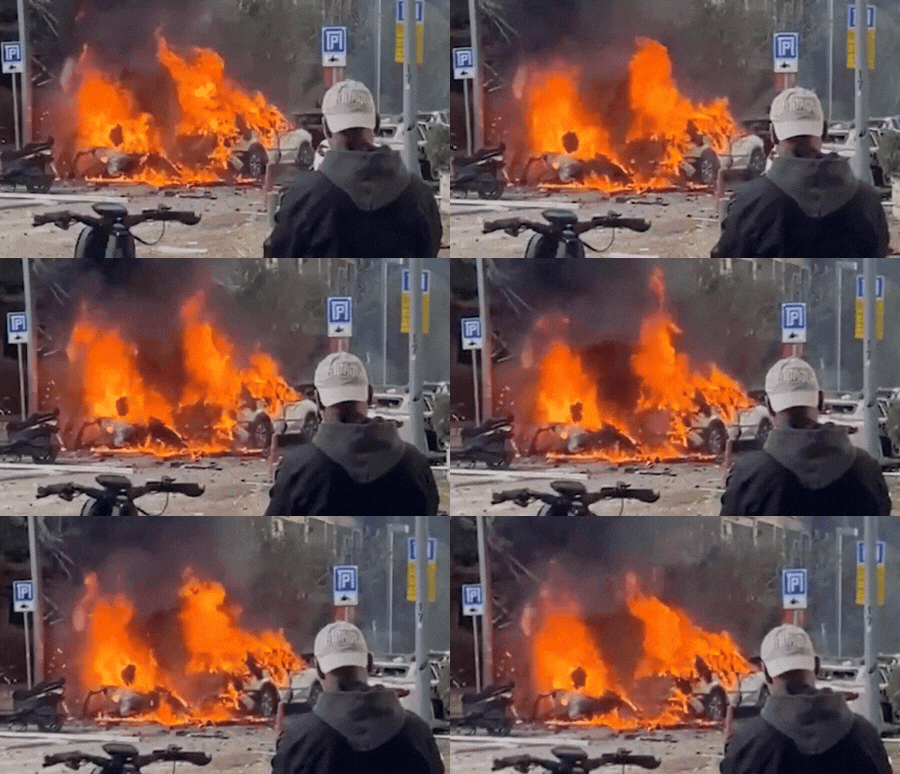
AFP images from Tel Aviv showed 'rubble-strewn streets and the side of a building in Israel's commercial hub in ruins' following Iranian strikes.
Iranian media reported US-Israeli warplanes had struck 'two gas facilities and a pipeline' hours after Trump stepped back from his threat to attack energy infrastructure.
Diplomatic Efforts
Diplomatic efforts to de-escalate the conflict faced significant challenges as Pakistan emerged as a key mediator offering to host talks between the US and Iran.
Pakistani Prime Minister Shehbaz Sharif publicly declared his nation's readiness to 'facilitate meaningful and conclusive talks' to end the Iran war.

Reports suggested US negotiators Steve Witkoff and Jared Kushner may meet an Iranian delegation in Islamabad as soon as this week.
However, Tehran's parliamentary speaker Mohammad Bagher Ghalibaf flatly denied Trump's claims of direct negotiations, accusing the US president of seeking 'to manipulate the financial and oil markets.'
The diplomatic uncertainty was compounded by Iran's continued military operations despite Trump's announcement that he had postponed strikes against Iranian energy infrastructure for five days while negotiations supposedly continued.
Economic Crisis
The conflict's economic impact reached crisis proportions as Iran maintained its chokehold on the Strait of Hormuz, a critical waterway through which one-fifth of global crude oil and liquefied natural gas normally passes.
“This comes amid a tight media blackout imposed by Israeli authorities on the results of the strikes, with strict oversight on publishing information and photos related to casualties or target sites”
Tehran's actions have 'snarled international shipping, sent fuel prices skyrocketing, and threatened the world economy,' with the International Energy Agency warning that if the war is protracted, 'daily oil losses would pave the way for a crisis worse than the combined impact of both 1970s oil shocks and Russia's invasion of Ukraine.'
Only a trickle of cargo ships and tankers, mostly Iranian vessels, have managed to transit the strait since Iran effectively blocked it in response to the US-Israeli bombing campaign.
The economic disruption has left hundreds of vessels anchored in and outside the Gulf, cutting off food and vital imports while stranding an estimated 20,000 seafarers inside the region.
UN diplomatic sources revealed that Bahrain was introducing a draft Security Council resolution authorizing states to use 'all necessary means' to ensure freedom of navigation in the strategic waterway.
Human Cost
Casualty figures and damage assessments revealed the human cost of the escalating conflict, with Iranian strikes causing significant civilian casualties and infrastructure damage in Israel.
In Tel Aviv's upscale neighborhood, at least six people were wounded when shrapnel hit the area after an Iranian missile was intercepted, with Israeli media reporting that the missile contained a 100-kilogram warhead that damaged multiple buildings.

Israeli police estimated the explosive device carried about 220 pounds of explosives, and video footage showed vehicles on fire and buildings with torn-open facades.
On the Iranian side, the US-based Human Rights Activists' News Agency recorded at least 206 attacks across 15 provinces in the previous 24 hours, resulting in at least four casualties (both civilian and military killed and injured).
Iran's Fars news agency reported that at least six people were killed in strikes on homes in the city of Tabriz, while rights groups estimated total deaths (military and civilian) in Iran since the US-Israeli bombing campaign began have exceeded 1,500, with some figures as high as 3,230 as of March 21.
Military Assessments
Military assessments from Israeli and US officials claimed significant strategic gains against Iranian capabilities, with the IDF reporting it had destroyed or disabled about 330 of Iran's estimated 470 ballistic missile launchers.
“DUBAI, United Arab Emirates (AP) — Airstrikes battered Iran and Iranian missiles and drones targeted Israel’s Tel Aviv and sites across the Mideast on Tuesday, even as President Donald Trump said the United States was in talks with the Islamic Republic to end the war”
Israel's military stated it had come 'close to establishing near-total control of Iranian airspace' and claimed to have eliminated more than 70% of Iran's ballistic missile launchers in recent weeks.

The IDF detailed extensive strike operations, including hitting 'the IRGC's main security headquarters' embedded within 'civilian infrastructure' and sites used to 'synchronize regional units responsible for enforcing regime order and internal security.'
Despite these claimed successes, Tehran maintained its ability to penetrate Israeli defenses, with Iranian forces continuing to launch attacks at a reduced rate of roughly 10 missiles per day compared to the 90 fired on the first day of the war.
The conflict has also expanded to Lebanon, where Israel stepped up its campaign against Iran-backed Hezbollah, announcing plans to take control of south Lebanon up to the Litani river, around 30 kilometers from the border.
More on Iran
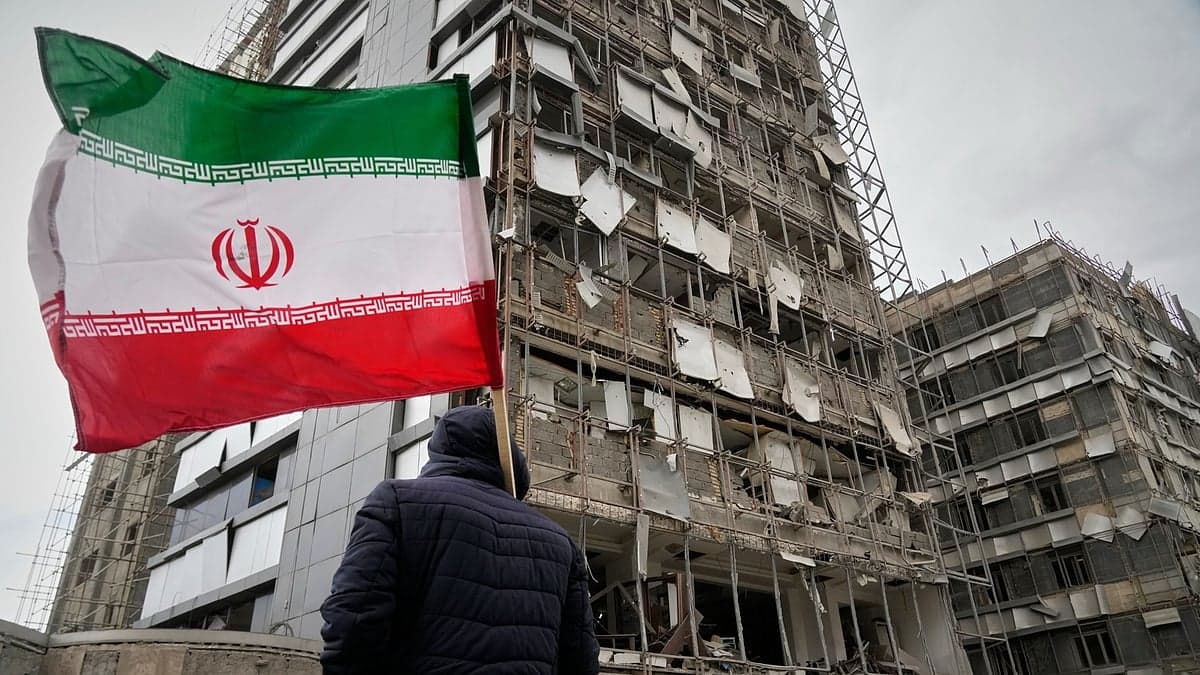
US Reaches Out to Iran via Intermediaries to Explore Ending the War.
15 sources compared
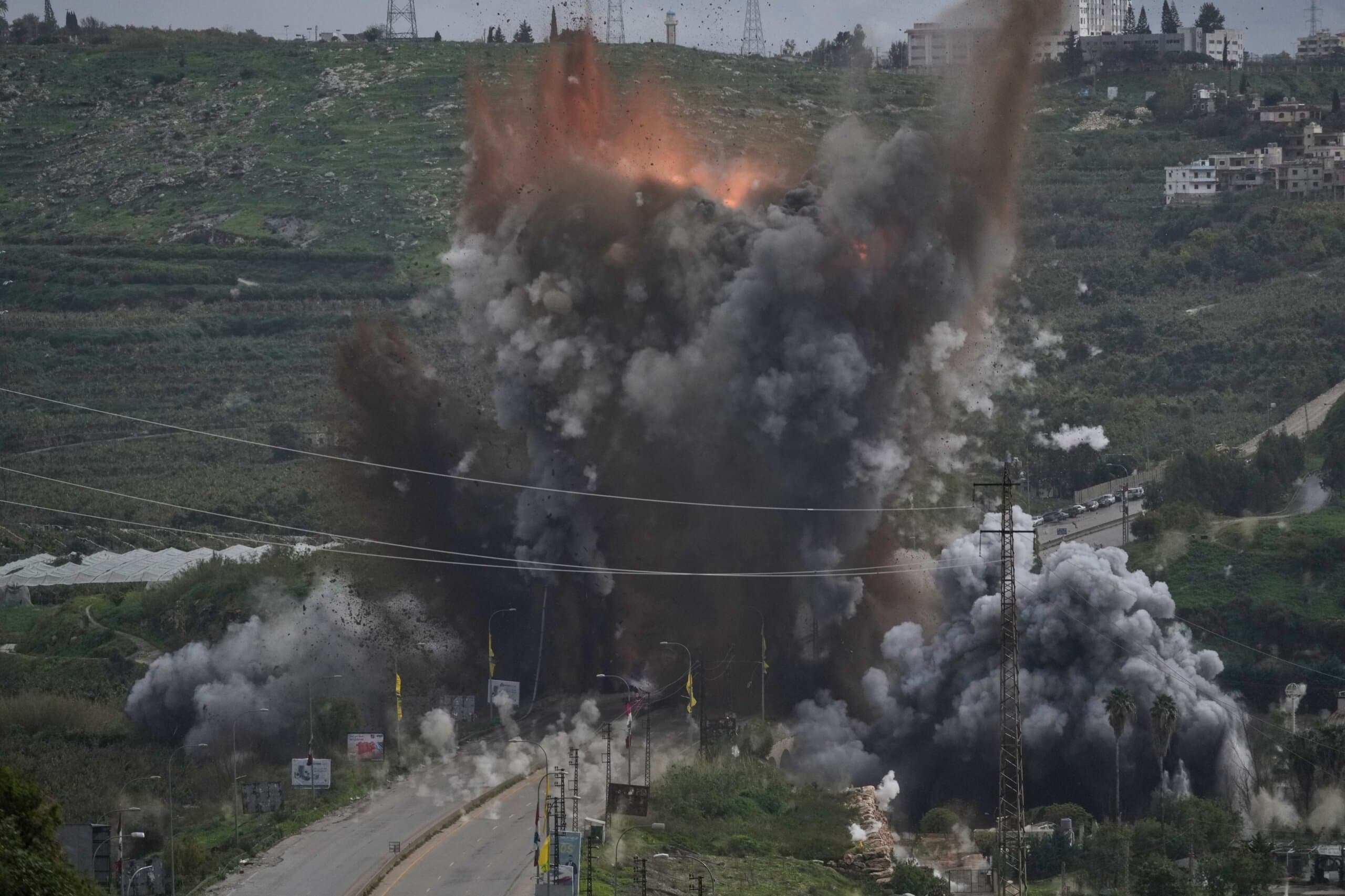
Trump Claims Talks With Iran Underway as Tehran Denies; US Pauses Strikes on Energy Infrastructure.
27 sources compared
Trump halts strikes on Iran power plants amid reports of talks with Tehran
12 sources compared

Trump offers five-day pause on strikes as talks with Iran continue.
72 sources compared