
Trump offers five-day pause on strikes as talks with Iran continue.
Key Takeaways
- Trump announced a five-day pause on strikes targeting Iran's energy infrastructure.
- Iran denies formal talks with the United States, despite reports of back-channel discussions.
- Pakistan positions itself as potential host mediator for US-Iran talks.
Trump's Pause Announcement
President Donald Trump abruptly announced a five-day pause on planned U.S. strikes against Iranian power plants and energy infrastructure on March 24, 2026.
“Ali Abdollahi Aliabadi as saying Tuesday”
He cited what he described as 'very good and productive conversations' with Iranian officials.

Trump claimed significant progress in negotiations, stating that Iran had agreed to not pursue nuclear weapons and limit uranium enrichment.
He also claimed Iran agreed to reopen the Strait of Hormuz and be 'low-key on the missiles.'
However, Iranian officials immediately rejected these assertions.
Parliament speaker Mohammad-Bagher Ghalibaf publicly denied any talks had taken place.
Ghalibaf dismissed Trump's comments as 'psychological warfare' designed to 'manipulate the financial and oil markets.'
Despite contradictory messaging, global markets reacted positively to Trump's announcement.
Oil prices plummeted over 10% and stock markets surged as investors interpreted the pause as potential de-escalation.
Pakistan's Mediation Role
Pakistan has emerged as the central mediator in the diplomatic efforts to de-escalate tensions between the United States and Iran.
Multiple sources confirm that Islamabad is positioning itself to host potential talks between the two sides.

Four sources told NBC News that Pakistan is joining a growing list of countries acting as intermediaries.
Two sources indicate that an in-person meeting between the parties could take place soon in Islamabad.
Pakistani Prime Minister Shehbaz Sharif has engaged directly with Iranian President Masoud Pezeshkian.
Army Chief Asim Munir reportedly spoke with Trump on Sunday, demonstrating Islamabad's dual-channel diplomacy.
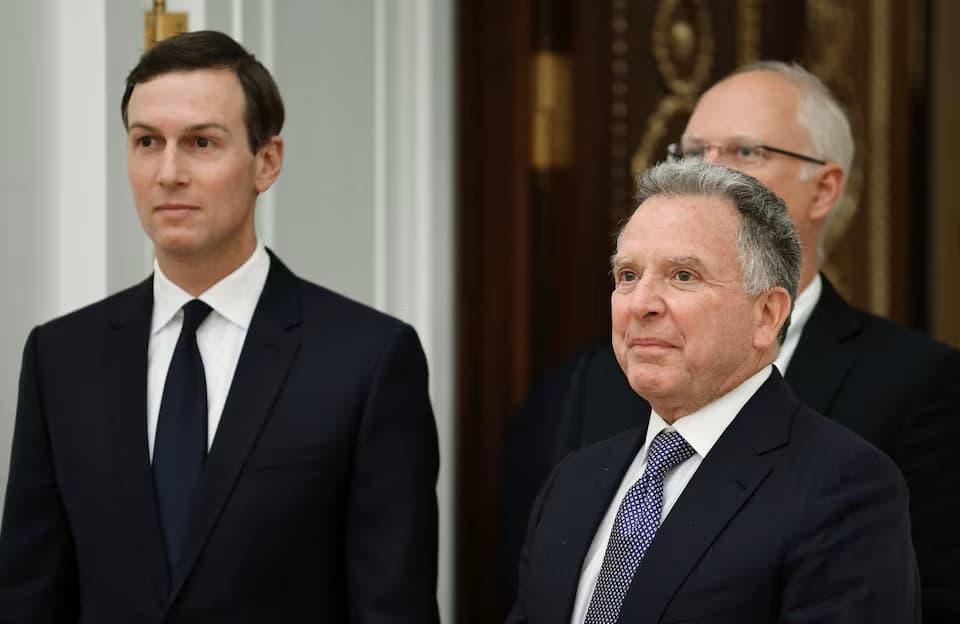
The negotiations reportedly involve Trump envoys Steve Witkoff and Jared Kushner.
Axios reports that Vice President JD Vance may also participate in a potential summit.
Despite these efforts, Iranian officials maintain Tehran is 'still not ready' to hold direct talks due to deep mistrust.
The Iranian Foreign Ministry has acknowledged receiving messages from 'friendly states' conveying U.S. requests for negotiations.
Military Escalation
The diplomatic developments come amid continued military escalation and significant human costs from the conflict.
““Iran, for its part, may also seek to impose sufficient costs to reinforce long-term deterrence, and it is not yet clear that it believes this objective has been met,” she told Al Jazeera”
The conflict began on February 28, 2026, when U.S. and Israeli strikes killed Iran's Supreme Leader Ali Khamenei and numerous other senior officials.
Iran has retaliated with sustained missile and drone attacks targeting Israel, U.S. bases, and civilian infrastructure across Gulf states.
The fighting has resulted in over 2,000 deaths and millions of displaced people as the conflict enters its fourth week.
Iranian missiles have hit Tel Aviv, causing injuries and damage to civilian infrastructure.
Israeli strikes on Beirut's southern suburbs have killed at least eight people including a 3-year-old girl.
Attacks on Gulf energy infrastructure have continued throughout the conflict.
Lebanon has declared Iran's ambassador persona non grata and ordered him to leave by March 29.
The U.S. continues military buildup in the region, with over 2,000 additional Marines expected to arrive.
Reports suggest consideration of ground operations to secure shipping through the Strait of Hormuz or seize Kharg Island.
Global Market Impact
The global economy has experienced significant volatility due to the conflict, particularly affecting energy markets.
International benchmark Brent crude had climbed toward a catastrophic $120 per barrel threshold before plummeting approximately 10% following Trump's announcement.
European natural gas prices, which had doubled since the onset of the conflict, tumbled 17% immediately after the news.
Relief spread across markets that rely heavily on LNG shipments from Qatar constrained by the Strait of Hormuz disruptions.
Stock markets staged a relief rally with Wall Street's three main indexes surging more than 1% each.
European indices also rebounded sharply following the de-escalation news.
However, Asian markets which had closed before the U.S. announcement ended their sessions sharply lower.
South Korea's Kospi fell 6.5%, Japan's Nikkei 225 dropped 3.5%, and Hong Kong's Hang Sen fell 3.5%.
These movements demonstrate the disproportionate impact of the conflict on Asian economies reliant on Middle Eastern energy imports.
The volatility reflects deep economic uncertainty as markets react to conflicting signals from Washington and Tehran.
Diplomatic Uncertainty
The conflicting narratives between Washington and Tehran have created significant uncertainty about the future trajectory.
“Thank you for subscribing to our newsletter”
While Trump has expressed optimism about reaching a deal, stating 'I think there's a very good chance we're going to end up in a deal,'

Iranian officials remain defiant, with parliamentary speaker Ghalibaf vowing to fight 'until complete victory.'
A senior Iranian military official stated that the armed forces are 'proud, victorious and steadfast in defending Iran's integrity.'
The deep mistrust between the nations is compounded by historical grievances and broken commitments.
Iran particularly cites the 2015 JCPOA era when it accuses the U.S. of withdrawing and reimposing sanctions.
Despite the diplomatic activity, analysts caution that current market dynamics are unusually fragile.
Sentiment is swinging sharply on headlines rather than fundamentals, creating volatile conditions.
The next 72 hours are being viewed as potentially decisive for diplomatic prospects.
Pakistani sources indicate that if a U.S. delegation lands and Iranian representatives engage even indirectly, the diplomatic opening might widen.
Conversely, outright rejection could accelerate military timelines as Trump has warned of severe consequences.
More on Iran
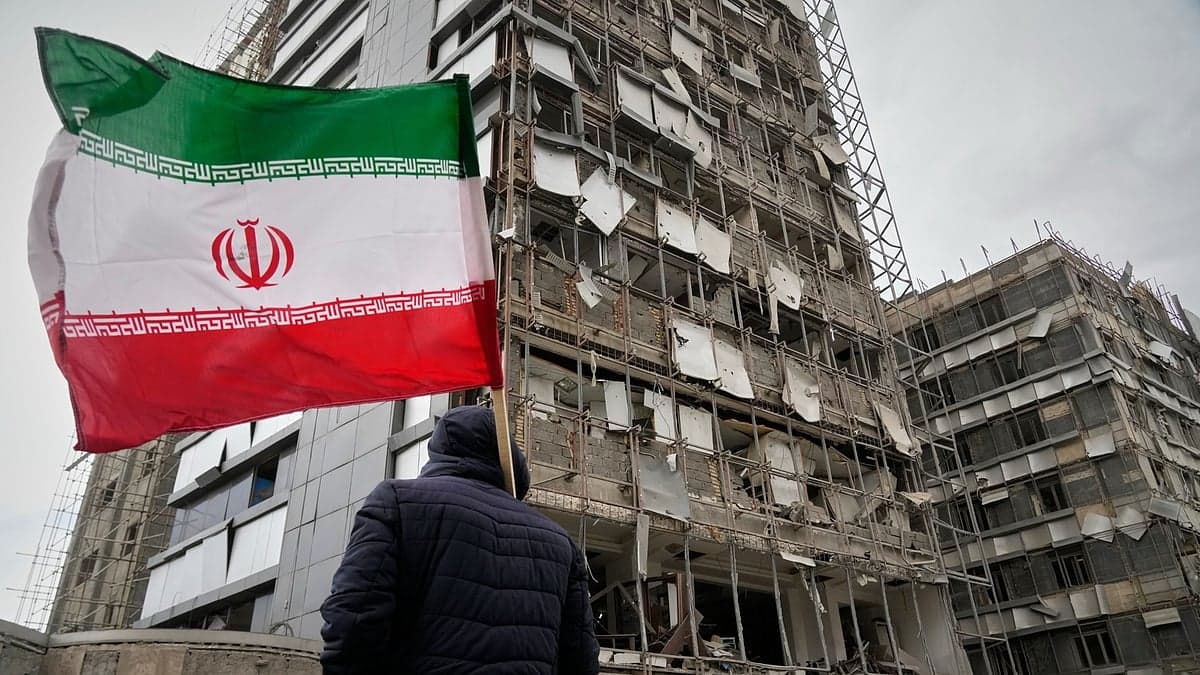
US Reaches Out to Iran via Intermediaries to Explore Ending the War.
15 sources compared
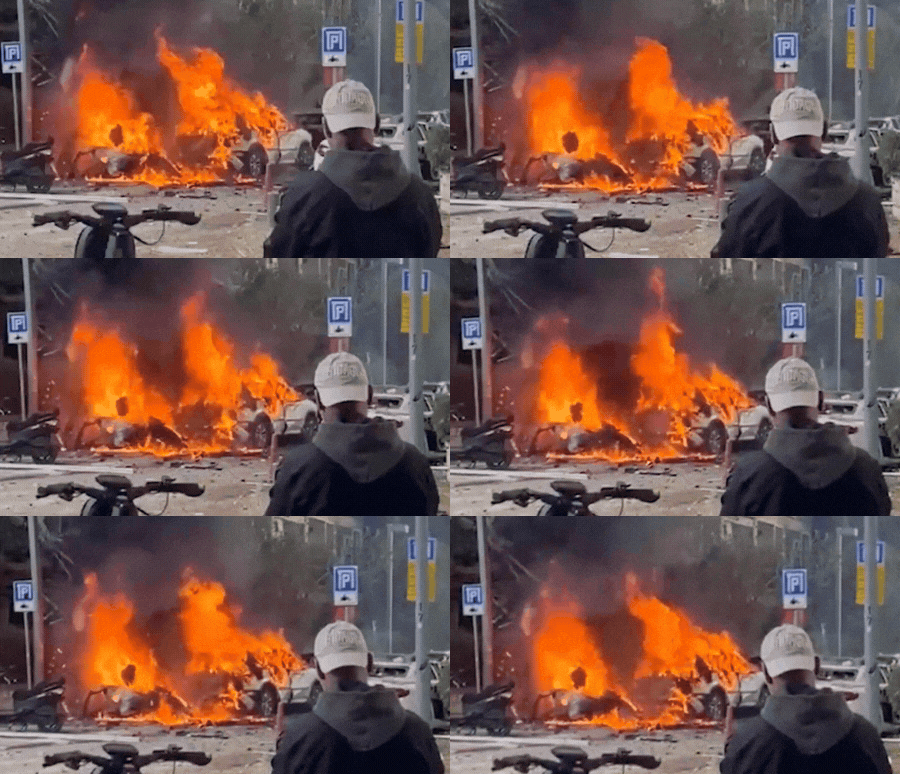
Airstrikes batter Iran as Tehran fires at Tel Aviv amid Trump talks
15 sources compared
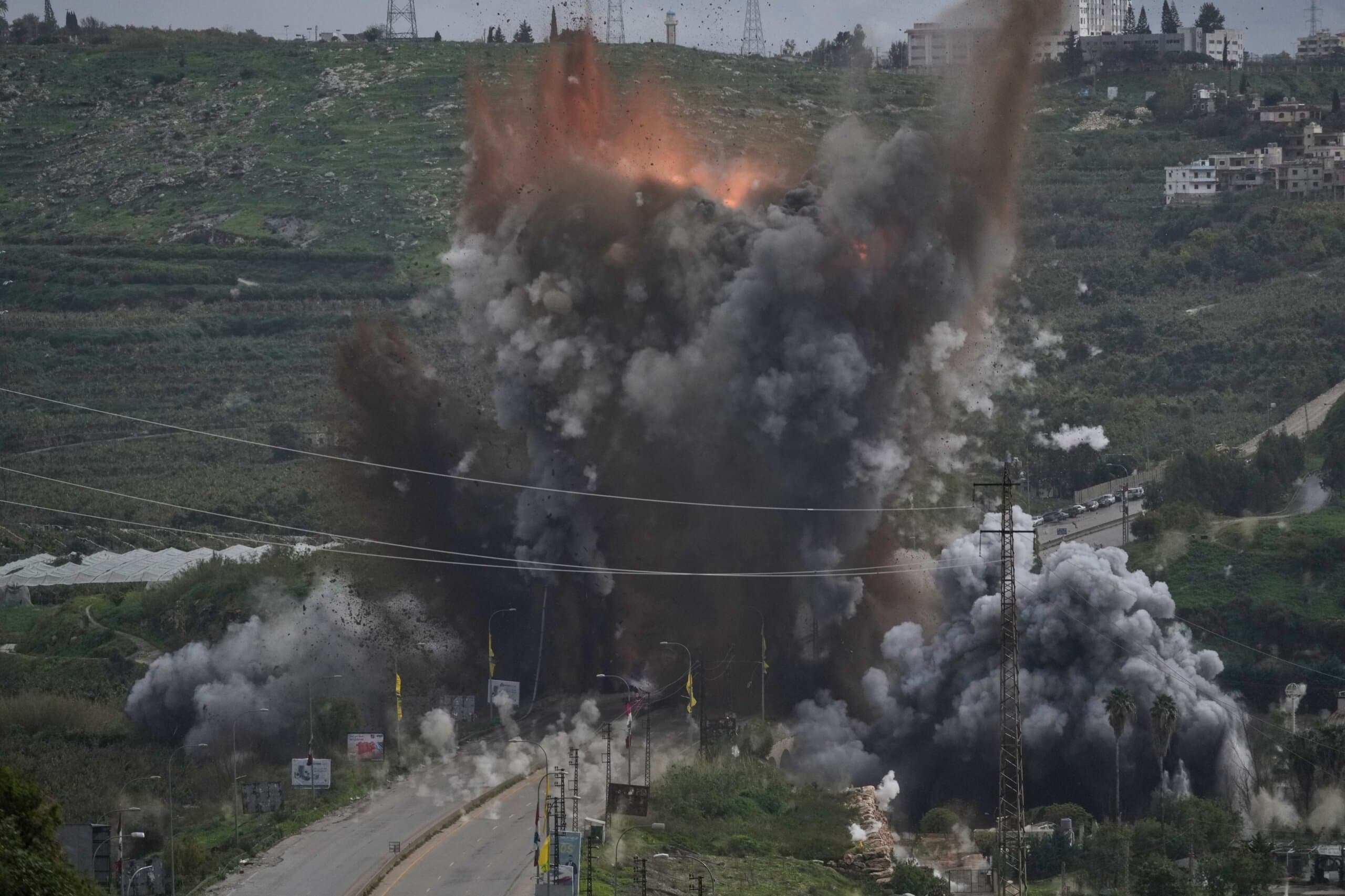
Trump Claims Talks With Iran Underway as Tehran Denies; US Pauses Strikes on Energy Infrastructure.
27 sources compared

Trump halts strikes on Iran power plants amid reports of talks with Tehran
12 sources compared