US Navy Launches Project Freedom To Secure Commercial Shipping Through Blockaded Strait of Hormuz
Key Takeaways
- U.S. Navy launched Project Freedom to secure safe passage for ships through Hormuz.
- Initiative aims to reopen the Strait of Hormuz and protect commercial shipping.
- Trump paused Project Freedom to pursue an Iran deal; blockade remains.
Project Freedom begins
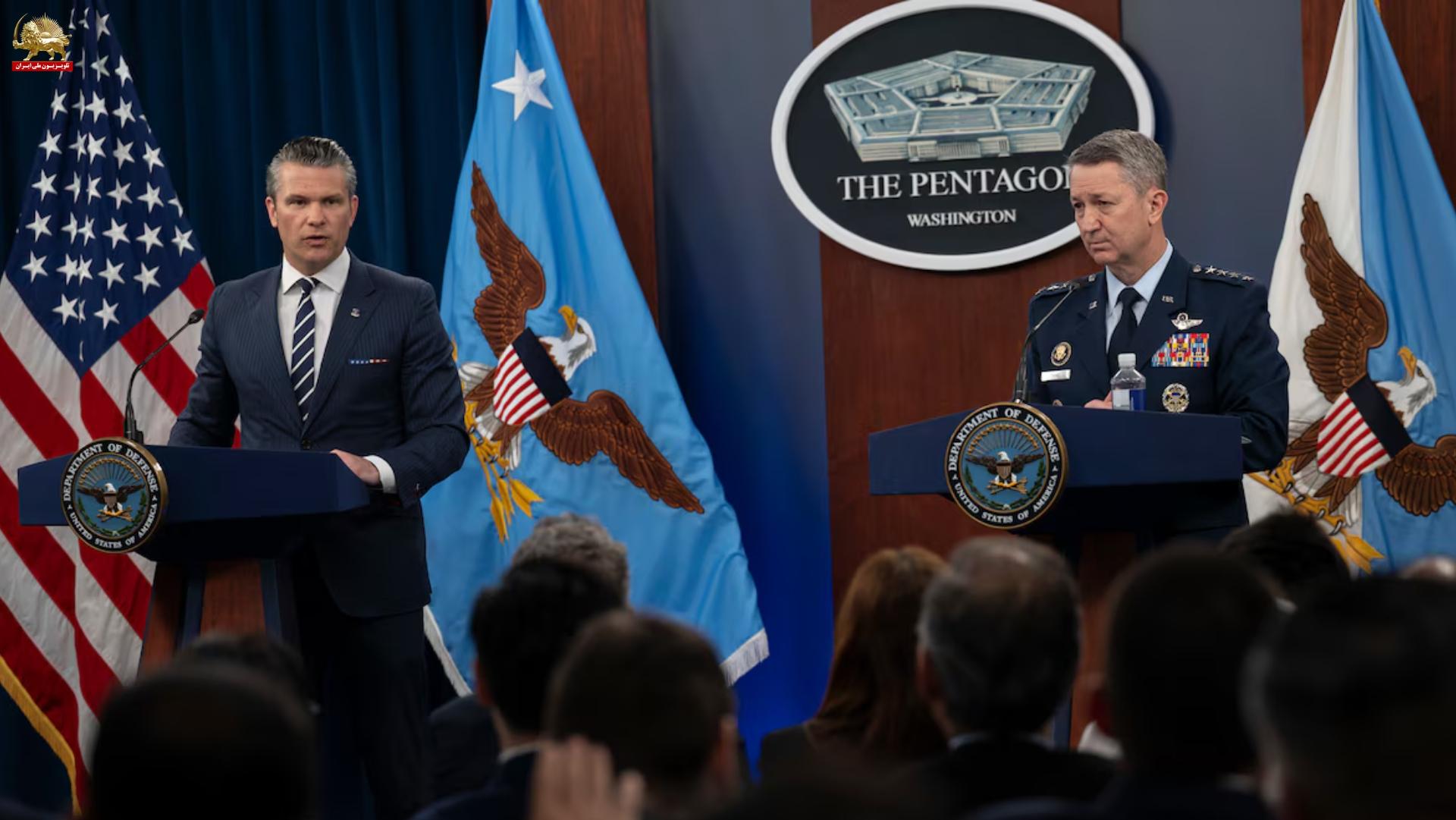
The US Navy launched “Project Freedom” to secure a safe passage of commercial vessels through the blocked Strait of Hormuz, with a spokesperson for US Central Command telling Al Jazeera on Tuesday that the operation has “just begun.” The Strait of Hormuz has been at the centre of the US-Israeli war on Iran that began on February 28, and the blockade has triggered disruptions that pushed up commodity prices around the world. US Secretary of State Marco Rubio said at a news conference in Washington, DC that 10 civilian sailors have died due to the ongoing conflict in the Strait of Hormuz, and he said the US Navy has destroyed seven Iranian fast boats in the waterway. US Defense Secretary Pete Hegseth said the operation is “defensive in nature,” focused on reopening the strait and protecting “innocent commercial shipping from Iranian aggression.”
“A military operation titled “Project Freedom” has been launched by the US Navy to secure a safe passage of commercial vessels through the blocked Strait of Hormuz, a spokesperson for the United States military’s Central Command (CENTCOM) told Al Jazeera on Tuesday”
Ceasefire, escorts, and disputes
As the US described the mission as defensive, the BBC reported that the Hormuz Strait has remained largely blocked since the US and Israel launched air strikes on Iran on 28 February, and that Tehran responded by blocking the crucial waterway. The BBC said Centcom commander Adm Brad Cooper stated that “2 U.S.-flagged merchant vessels have successfully transited through the Strait of Hormuz,” while Iran’s Islamic Revolutionary Guard Corps denied any crossings had taken place. The BBC also quoted Tim Wilkins of Intertanko asking about transit mechanics, including “who initiates these transits? Who communicates with the authorities on behalf of the vessel?” Meanwhile, CNBC featured Defense Priorities senior fellow Jennifer Kavanagh saying, “In my view, it's not a solution at all,” arguing the uncertainty about safety makes captains and shipping companies hesitant. CNBC also quoted Adm. Brad Cooper saying the US had opened a passage through the Strait of Hormuz to allow for the free flow of commerce to proceed, and it cited Hegseth’s claim that two U.S. commercial ships had “already safely transited the strait.”
What’s at stake next
The operation’s stated aim is to restore freedom of navigation and sustain commercial movement, with the BBC noting that the strait is meant to pass freely and that 20% of the world’s oil and liquefied natural gas is meant to pass through it. In the BBC’s account, Centcom said it is using “guided-missile destroyers, over 100 land and sea-based aircraft, multi-domain unmanned platforms, and 15,000 service members” to support the operation, while the Hill reported Hegseth saying the ceasefire is not over and that “some, some churn at the beginning” was expected. The Hill also said Centcom and partner nations are in active communication with “hundreds of ships, shipping companies and insurers” as they try to leave the “Iranian trap” in the Arabian Gulf. The stakes are explicitly framed by the US as preventing Iran from blocking commerce, with Hegseth telling reporters that “Iran … cannot be allowed to block innocent countries and their goods from an international waterway.” At the same time, the BBC reported that the question of whether ships will trust the ability to get through without being attacked—and “more importantly, the insurance company”—remains unresolved.
More on USA

U.S. Supreme Court Invalidates Louisiana Electoral Map, Weakening Voting Rights Act in 6-3 Ruling
18 sources compared

Donald Trump Pauses Project Freedom To Guide Ships Out Of Strait Of Hormuz
26 sources compared

Border Czar Tom Homan Threatens ICE Surge in New York and Phoenix
11 sources compared
Senate Republicans Propose $1 Billion for White House Security Upgrades for Trump Ballroom
13 sources compared