Sudan19 November, 20252 min read
Trump Pledges Direct U.S. Intervention in Sudan War After Mohammed bin Salman’s Appeal
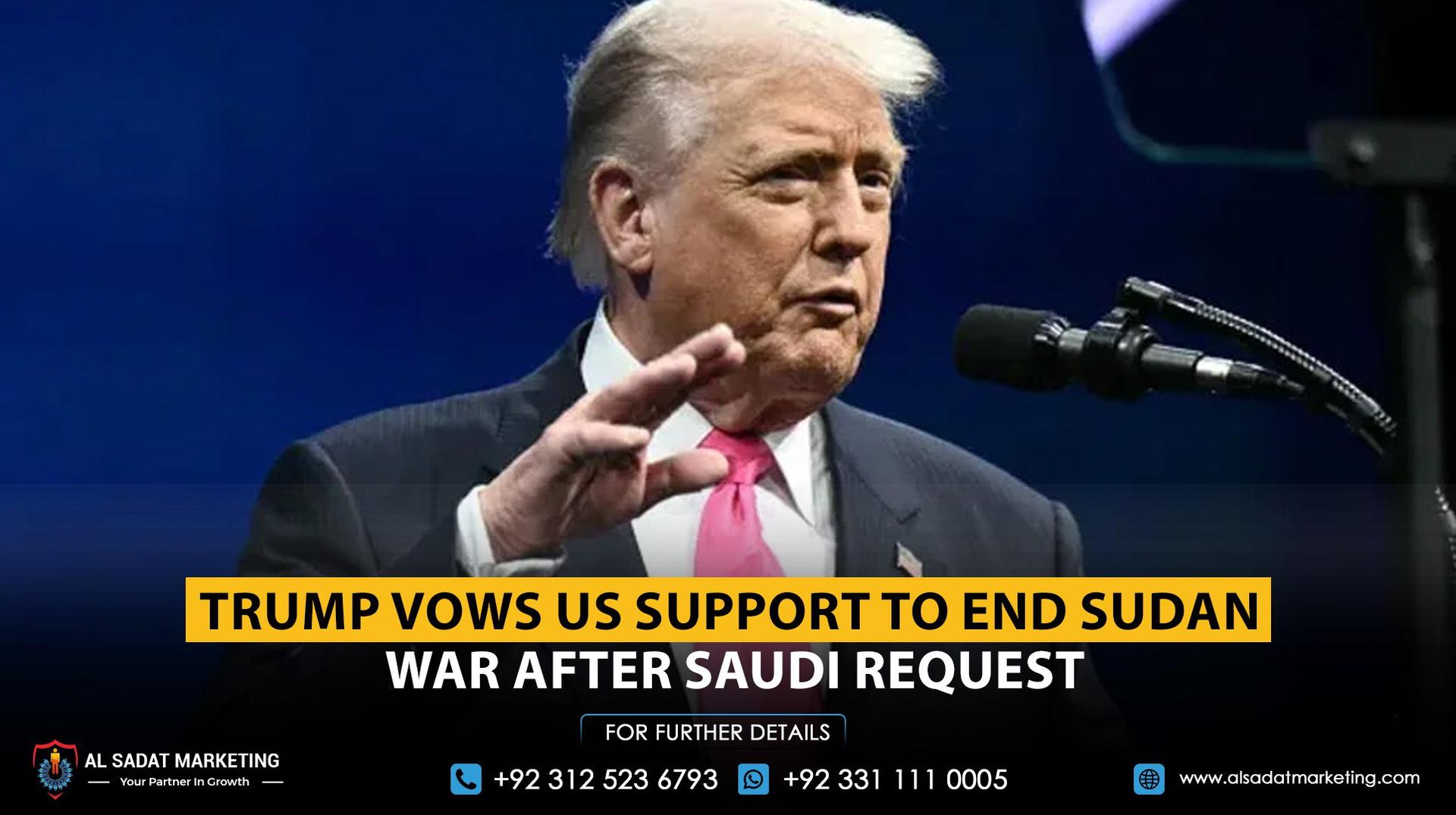
Trump pledged to personally intervene in Sudan after Saudi Crown Prince Mohammed bin Salman's request U.S. will coordinate with Saudi Arabia, UAE and Egypt to press for a humanitarian truce

25 outlets told this the same way.
Outlets did split on Air Strike Destroys Two WFP Trucks Carrying Food for 5,800 People in South Kordofan →
U.S. intervention in Sudan
At a U.S.–Saudi Investment Forum in Washington, former President Donald Trump announced he would begin direct U.S. intervention to try to end Sudan’s civil war after a personal appeal from Saudi Crown Prince Mohammed bin Salman. Multiple outlets report Trump framed the move as a response to the crown prince’s request and said Sudan "wasn’t on my charts" or that he "hadn’t planned to intervene," while promising to coordinate a diplomatic push with regional partners including Saudi Arabia, the UAE and Egypt. The announcement was repeatedly described as triggered by the crown prince’s appeal and delivered amid references to Trump’s recent role in brokering a Gaza ceasefire, which some sources say influenced the request.
“At the U.S.–Saudi Investment Forum, President Trump said the United States will help broker peace in Sudan at the request of Saudi Crown Prince Mohammed bin Salman, and that he hadn’t planned to intervene but became involved after the request.”
U.S. response to Sudan crisis
Trump publicly framed Sudan as an acute humanitarian catastrophe, calling it 'the most violent place on Earth' and 'the single biggest humanitarian crisis'.
He vowed to mobilize U.S. influence with Saudi Arabia, the UAE, Egypt and other partners.

U.S. officials and advisers were reported to be coordinating a 'Quad' of regional states to press for a truce and stabilization.
Some sources note U.S. diplomatic engagement had already stepped up quietly, including earlier outreach by officials such as Senator Marco Rubio and the U.S. Africa envoy.
Casualties and displacement overview
Reports differ on the human toll and displacement, with some outlets citing fatalities at or above 40,000 and displacements between roughly 12 million and 14 million. Other sources describe tens of thousands killed and nearly 12 million displaced.
“The conflict... has killed more than 40,000 and displaced over 14 million...”
All accounts emphasize mass suffering, ethnic violence, and risks of state fragmentation following advances by the Rapid Support Forces (RSF), such as the capture of El-Fasher. International bodies described El-Fasher as a site of mass killings and called it a 'crime scene'.
Drivers and Obstacles in Engagement
Analysts and regional reporting note political drivers and constraints, with several outlets linking MBS’s appeal to Trump to the crown prince’s view that Trump’s recent Gaza mediations gave him leverage, and some sources pointing to deepening U.S.–Saudi ties, including arms and defense deals, behind the engagement.
Others emphasize that U.S. engagement had been limited until now and that the administration’s next steps — a proposed truce, pressure to halt external support for militias, and the restoration of civilian rule — face large obstacles on the ground.
Sudan truce and reporting disputes
Some outlets report the RSF accepted a U.S.-led truce proposal while the Sudanese government is still reviewing it. The United Nations and human-rights monitors demanded justice over alleged mass killings in places like El-Fasher.
“Sudan’s paramilitary Rapid Support Forces accepted a U.S.-led truce proposal in early November, while the Sudanese government is still reviewing the plan.”
Reporting also contains denials and contested claims; for example, the UAE denies allegations it arms or funds the RSF, and figures and outcomes vary between sources. Coverage agrees on the urgency and suffering but differs on numbers, emphasis, and whether Trump's intervention will be diplomatic leverage or a politically risky effort with unclear on-the-ground prospects.
