Full Analysis Summary
Trump praises Syrian leader
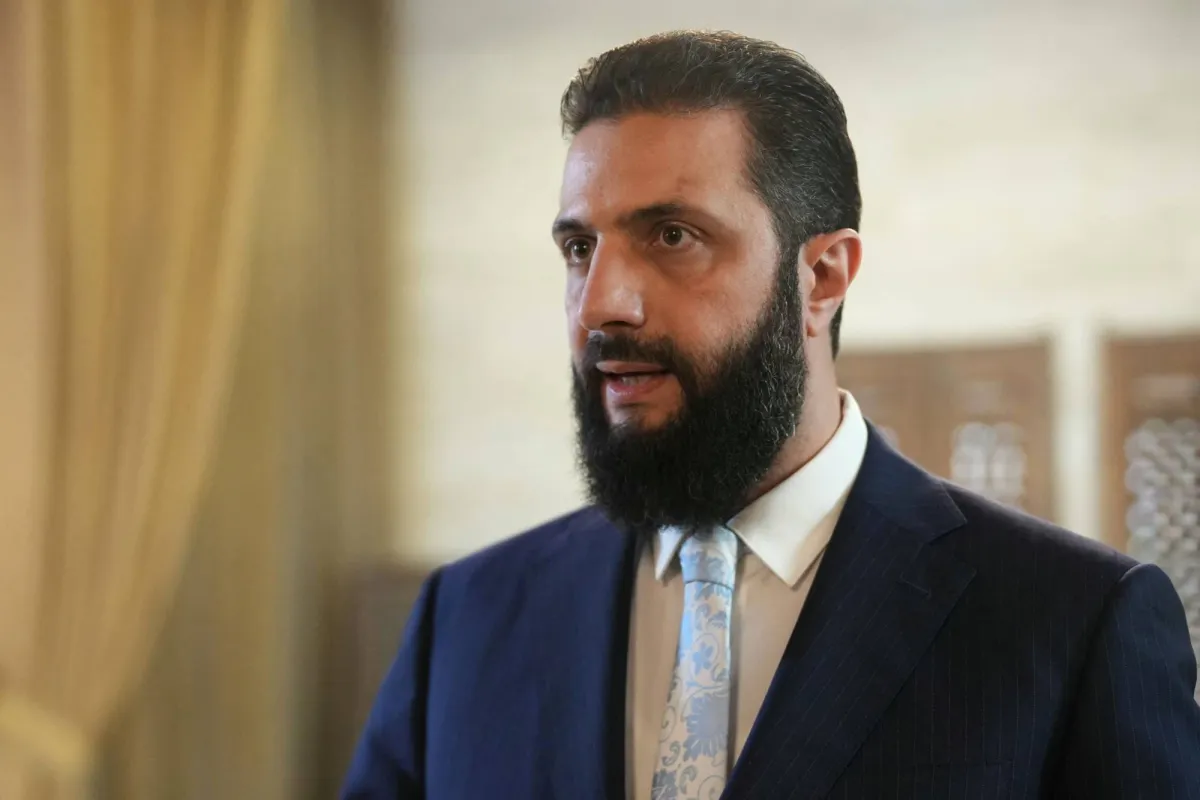
President Donald Trump publicly praised Syrian opposition leader Ahmed al-Sharaa after Damascus launched an offensive against U.S.-backed Kurdish fighters.
He said he spoke by phone with al-Sharaa and was "very happy" with recent developments.
Asharq Al-Awsat reports Trump called the conversation "great" and said the situation is "working out very well."
The outlet noted the call came a day before al-Sharaa's planned visit to Russia.
Al Jazeera reported broader international movements, saying the Kremlin announced Putin will meet al‑Sharaa in Moscow amid the shifting situation in the Middle East.
Coverage Differences
Tone/Narrative Emphasis
Asharq Al-awsat (West Asian) emphasizes Trump's direct praise and positive wording — using quotes such as "very happy," "great," and "working out very well" — and frames the interaction alongside al-Sharaa's imminent Russia trip and the background of Assad's overthrow. Al Jazeera (West Asian) focuses more on regional diplomatic follow-up and U.S. domestic political reactions, reporting Putin will meet al‑Sharaa and that Senator Lindsey Graham "credited Trump with restoring stability in Syria." Both sources report similar events but emphasize different angles: Asharq foregrounds Trump's supportive rhetoric and the offensive; Al Jazeera foregrounds diplomatic and political consequences.
U.S. political reactions to Syria
U.S. political reaction reported in the pieces is notable for contrast.
Asharq Al-Awsat notes the president's support contrasts with earlier threats from Senator Lindsey Graham to reimpose sanctions on Syria.
It reports that Graham has since praised Trump for restoring stability.
Al Jazeera likewise records that Graham credited Trump with restoring stability in Syria.
Together, the pieces indicate domestic U.S. debate shifted from punitive threats to accommodation or approval of the administration's approach.
Coverage Differences
Domestic Political Framing
Asharq Al-awsat (West Asian) frames the shift primarily as a contrast between prior threats of sanctions by Senator Lindsey Graham and his later praise for Trump, suggesting a reversal in tone. Al Jazeera (West Asian) conveys the same development but places it alongside international diplomatic notes (Putin meeting al‑Sharaa), linking U.S. domestic reaction to broader geopolitical implications. The reporting in both sources quotes Graham's praise rather than asserting it as editorial stance.
Regional realignment and diplomacy
Both sources situate the phone call and fighting within a larger regional realignment.
Asharq Al‑awsat highlights that al‑Sharaa was due in Russia, described as a key backer of former president Bashar al‑Assad, and notes Assad was toppled in late 2024 by Sharaa's opposition forces, underscoring shifting alliances.
Al Jazeera's mention that the Kremlin said Putin will meet al‑Sharaa in Moscow indicates Russia's active diplomatic role.
Together the reports show an alignment between Syrian opposition leadership, praise from the U.S. president, and an upcoming Russian meeting, suggesting complex new dynamics while providing limited operational detail about the offensive itself.
Coverage Differences
Geopolitical Emphasis
Asharq Al-awsat (West Asian) includes historical context about Assad being toppled in 2024 by Sharaa's forces, framing Russia as "a key backer" of the prior regime and thus highlighting the irony or complexity of Sharaa meeting Putin. Al Jazeera (West Asian) emphasizes the immediate diplomatic move — that Putin will meet al‑Sharaa — without repeating the overthrow detail in the provided snippet. The two pieces complement each other: Asharq provides background, Al Jazeera provides diplomatic follow-up.
Gaps in reporting
Both snippets leave unclear the operational details and on-the-ground humanitarian impact of the offensive, as neither provides casualty figures, statements from Kurdish leaders, or detailed U.S. military responses beyond political commentary.
The sources concentrate on rhetoric, diplomacy and political reactions, so significant gaps remain about the scale, timeline and consequences of the Syrian action — an ambiguity the reports expose but do not resolve.
Coverage Differences
Missed Information / Ambiguity
Both Asharq Al-awsat and Al Jazeera report Trump's praise, Graham's response, and Putin's planned meeting, but neither provides operational or humanitarian details about the offensive or perspectives from the Kurdish groups targeted. This is a shared omission rather than a contradiction; the sources concentrate on diplomatic and political angles instead of battlefield specifics.