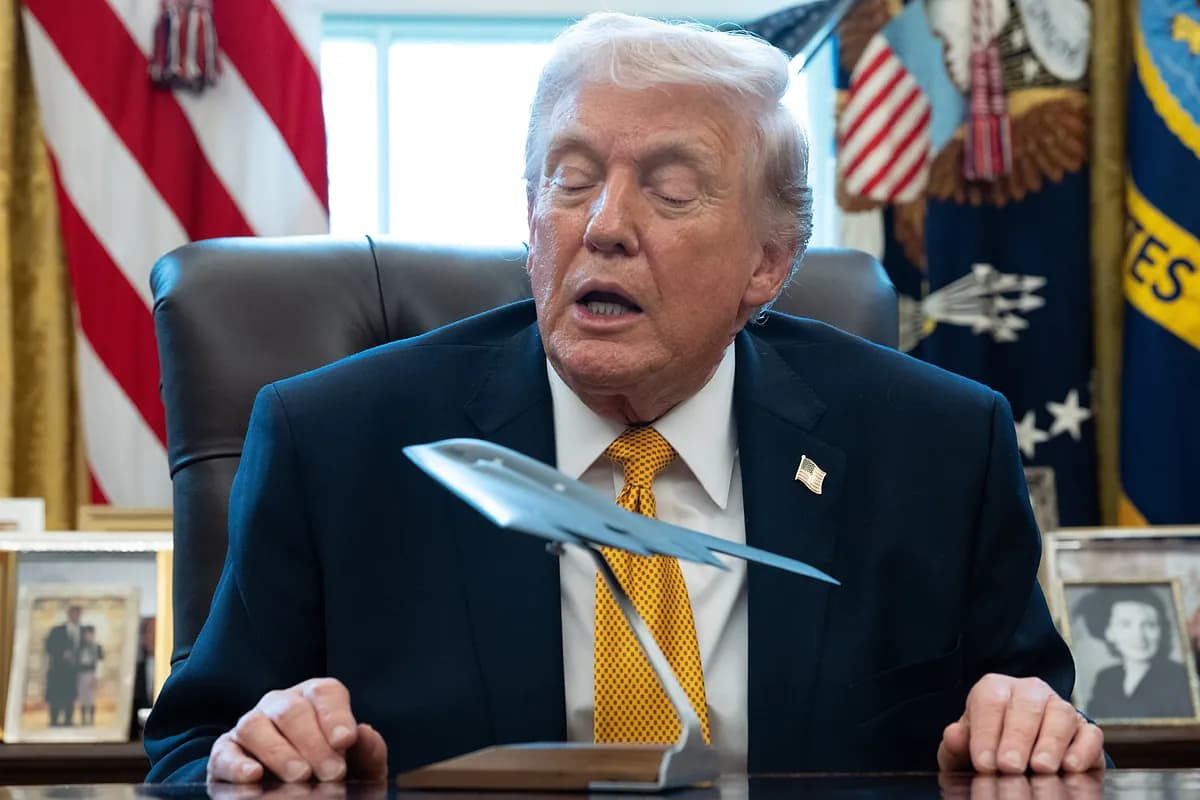
Trump Pressures Cuba to Oust Díaz-Canel, Eyes Castro Heir as Successor
Key Takeaways
- Trump pressures Cuban President Miguel Díaz-Canel to resign.
- The New York Times cites four sources.
- Aim to negotiate with Cuba, echoing Venezuela's outcome without military intervention.
Trump's Cuba Strategy
President Trump is mounting diplomatic pressure on Cuba to oust leader Agustín Díaz-Canel as part of a strategic diplomatic achievement.
This effort comes amid the ongoing Iran war and approaching midterm elections that create urgency for visible diplomatic success.

The New York Times has assessed that removing Díaz-Canel could provide Trump with a 'symbolic political win.'
El Mundo reports that Trump aims to recreate in Cuba what was achieved in Venezuela but without military intervention.
Chosunbiz analysis indicates that Trump's approach emphasizes 'pressuring regime compliance rather than regime change.'
This reflects a calculated diplomatic line that seeks tangible results without direct military involvement.
Diplomatic Negotiations
Behind the scenes, the Trump administration is engaged in delicate negotiations with Cuban officials, according to sources cited by The New York Times through El Mundo.
Four sources involved in the U.S.-Cuba negotiations have confirmed that Díaz-Canel's resignation is the primary objective of this diplomatic pressure campaign.
Chosunbiz provides additional context, noting that while the Trump administration is not pressing for measures against the broader Castro family, it is strategically positioning itself to work with potential successors.
This nuanced approach suggests a calculated strategy that targets current leadership while maintaining channels for future engagement with Cuba's entrenched power structures.
The administration is avoiding the complete isolation that characterized previous U.S. approaches to the island nation.
Castro Successor Strategy
In a surprising development, the United States is reportedly considering Raúl Castro's grandson as a potential successor to Díaz-Canel.
Chosunbiz reveals that Raúl Guillermo Rodríguez Castro held a secret meeting late last month with U.S. Secretary of State Marco Rubio.
This meeting suggests a strategic shift in U.S. policy toward cultivating relationships with younger members of Cuba's political elite.
The sources indicate that Rodríguez Castro is 'highly likely to continue leading the running of the government' even after Díaz-Canel steps down.
This approach represents a significant departure from traditional U.S. policy that typically demanded wholesale democratic changes rather than managed transitions within existing power structures.
Trump's Public Rhetoric
President Trump has adopted increasingly bold public rhetoric about Cuba's future, declaring that 'Cuba looks ready to collapse'.
He also suggested that 'I believe I will have the honor of occupying Cuba,' according to Chosunbiz.
These statements reflect a combination of confidence in the current pressure strategy and anticipation of Cuba's eventual political transformation.
The remarks indicate that Trump views the current situation as a pivotal moment in U.S.-Cuba relations.
Trump has also stated that 'I don't think additional measures are necessary,' suggesting he believes current pressure will be sufficient.
This indicates confidence that military intervention or additional sanctions won't be required to achieve his objectives.
Expert Analysis & Risks
Expert analysis suggests that Díaz-Canel's ouster presents a strategic opportunity to 'reset' U.S.-Cuba relations, according to Ricardo Zúñiga.
Zúñiga participated in U.S.-Cuba negotiations during the Obama administration and commented that 'A ship's captain goes down with the ship, and right now the ship called Cuba is sinking.'
This frames Díaz-Canel as a convenient scapegoat in the current standoff with the United States.
However, some observers warn of potential backlash if the United States is satisfied with removing Díaz-Canel alone.
Many conservative Cuban exiles in the United States are demanding comprehensive political system changes rather than just leadership changes.
This creates a delicate balancing act for the Trump administration in Cuba's volatile political landscape.
Strategic Implications
The Trump administration's Cuba strategy represents a significant evolution in U.S. foreign policy toward the island.
It moves from decades of isolation and sanctions toward a more nuanced approach seeking managed transitions within Cuba's existing political structures.
By targeting Díaz-Canel specifically while engaging with potential successors like Raúl Castro's grandson, the administration aims to achieve concrete diplomatic results.
This approach seeks to avoid the complete collapse of the Cuban state or unpredictable regional consequences.
This reflects Trump's pragmatic tendency to prioritize achievable victories over ideological purity.
The strategy's ultimate success will depend on balancing competing domestic demands while navigating complex Cuban politics.
More on USA
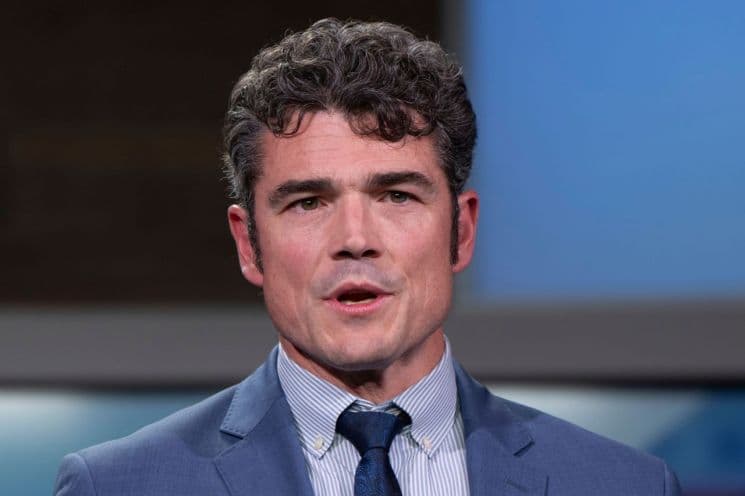
FBI investigates Joe Kent, former National Counterterrorism Center director, for allegedly leaking classified information.
81 sources compared

Lt. Gov. Juliana Stratton Wins Illinois Democratic Senate Primary to Replace Durbin
171 sources compared

Senators Grill Mullin Over DHS Nomination as Intel Officials Testify on Top Threats
91 sources compared

César Chávez Faces Sexual Abuse Allegations, Including Rape of Dolores Huerta and Other Survivors
34 sources compared