
Trump pressures NATO, China to reopen Strait of Hormuz
Key Takeaways
- Trump pressures NATO and China to reopen Strait of Hormuz.
- European leaders declined to join the Hormuz effort.
- Iranian attacks trigger regional strikes as Western powers debate response.
Trump's Demands
President Trump has intensified pressure on NATO allies and China to reopen the strategically critical Strait of Hormuz.
“According to reporting from Reuters, several key U”
Trump demanded they contribute naval forces to secure the vital shipping lane that carries roughly 20% of the world's oil trade.
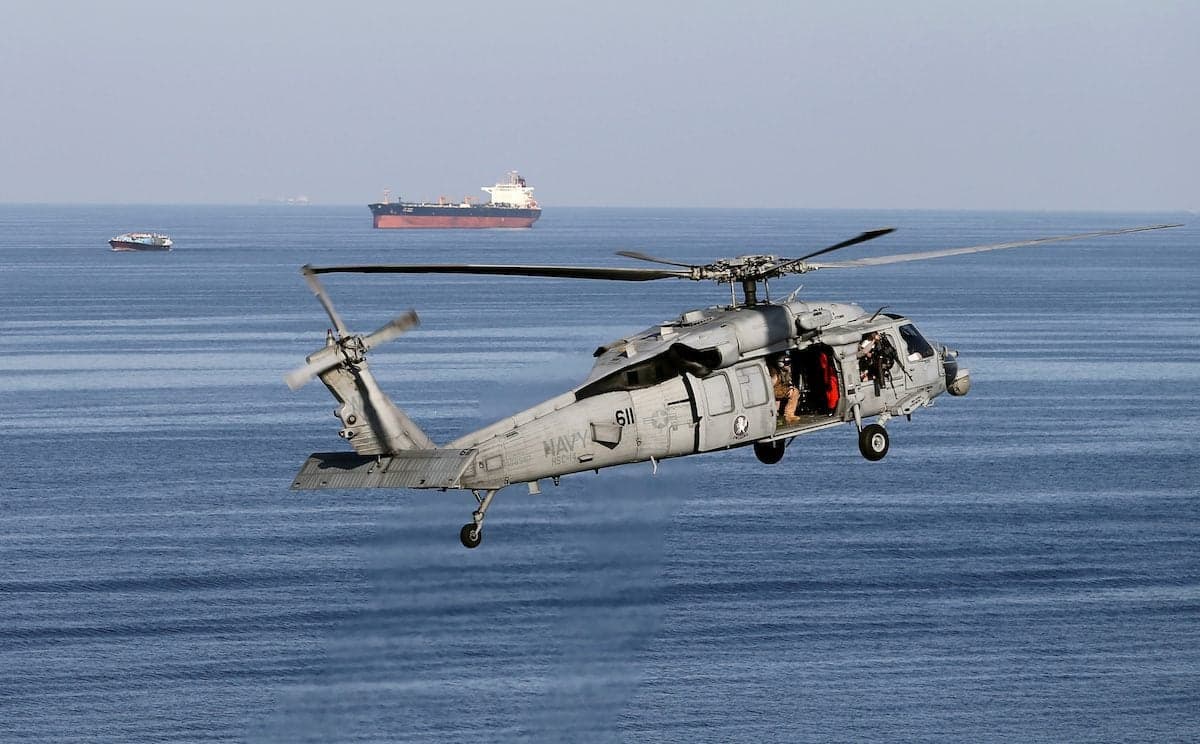
Trump framed his demands as essential for maintaining freedom of navigation in the waterway.
He warned that 'it will be very bad for the future of NATO' if countries fail to police the strait.
The administration has intensified its diplomatic push as Iran's ability to threaten slow-moving oil tankers has created challenges.
Trump emphasized that countries dependent on Gulf energy flows should share responsibility for protecting shipping lanes.
His coalition-building efforts have faced substantial resistance from key international partners.
Allied Rejections
International reactions to Trump's demands have been overwhelmingly negative.
Key NATO allies Germany, Spain, and Italy firmly rejected requests to deploy warships.

German Chancellor Friedrich Merz stated 'We will not participate in ensuring freedom of navigation in the Strait of Hormuz by military means.'
Merz added that the conflict 'is not a matter for NATO.'
German Defense Minister Boris Pistorius questioned the logic of allied involvement.
Pistorius asked 'What does Donald Trump expect a handful of European frigates to do... that the powerful U.S. Navy cannot do?'
The widespread reluctance underscores deep divisions within the Western alliance.
Berlin criticized the lack of UN, EU, or NATO mandates and prior consultation.
Shipping Disruption
The disruption of commercial shipping through the Strait of Hormuz has had severe global economic impacts.
“"I'm looking forward to being with them”
The waterway has experienced a dramatic collapse in traffic compared to normal conditions.
The strait typically handles more than 100 vessels daily under normal conditions.
Only a handful of ships have transited in recent weeks due to attacks.
This severe disruption affects global energy markets significantly.
The waterway carries roughly 20% of global oil and liquefied natural gas flows.
Despite a temporary lull in attacks, the threat environment remains elevated.
Missiles, drones, electronic interference, and naval mines continue to deter shipping.
Even with a $20 billion U.S.-backed insurance facility, confidence has yet to return.
Military Escalation
The growing tensions in the Strait of Hormuz occur against the backdrop of intensifying military operations.
The Iran war has entered its third week with no signs of immediate de-escalation.
New strikes were reported across the region as Iran hit back against energy infrastructure.
Tehran came under intense attacks from U.S. and Israeli forces.
Israel has publicly acknowledged plans for at least three more weeks of military operations.
This reflects growing divisions within the Western alliance.
Efforts to assemble a naval coalition to secure the Strait of Hormuz appear to falter.
The conflict has expanded with new Israeli ground operations in neighboring Lebanon.
This indicates a potential widening of the war across multiple fronts.
Iran's Revolutionary Guard continues to issue threats against U.S. interests.
Diplomatic Implications
President Trump's diplomatic pressure campaign has affected his international scheduling.
“According to reporting from Reuters, several key U”
Trump indicated his planned trip to China at the end of March could be delayed.
The delay is due to the ongoing U.S.-Israeli war in Iran.
Trump stated he doesn't want to be out of the country during the conflict.
His administration has requested 'a month or so' delay for the visit.
This potential delay comes as Trump's rhetoric has shifted notably.
His assertion that the United States does not need allied support suggests a rhetorical pivot.
The breakdown in coalition-building efforts raises serious questions.
Questions remain about how quickly traffic through the Strait of Hormuz can resume.
Without a broad multinational escort framework, efforts will rely on unilateral U.S. operations.
More on Iran

Israel strikes Iran's Pars gas field as Tehran vows revenge
14 sources compared
Trump threatens to blow up South Pars gas field if Iran attacks Qatar again
10 sources compared
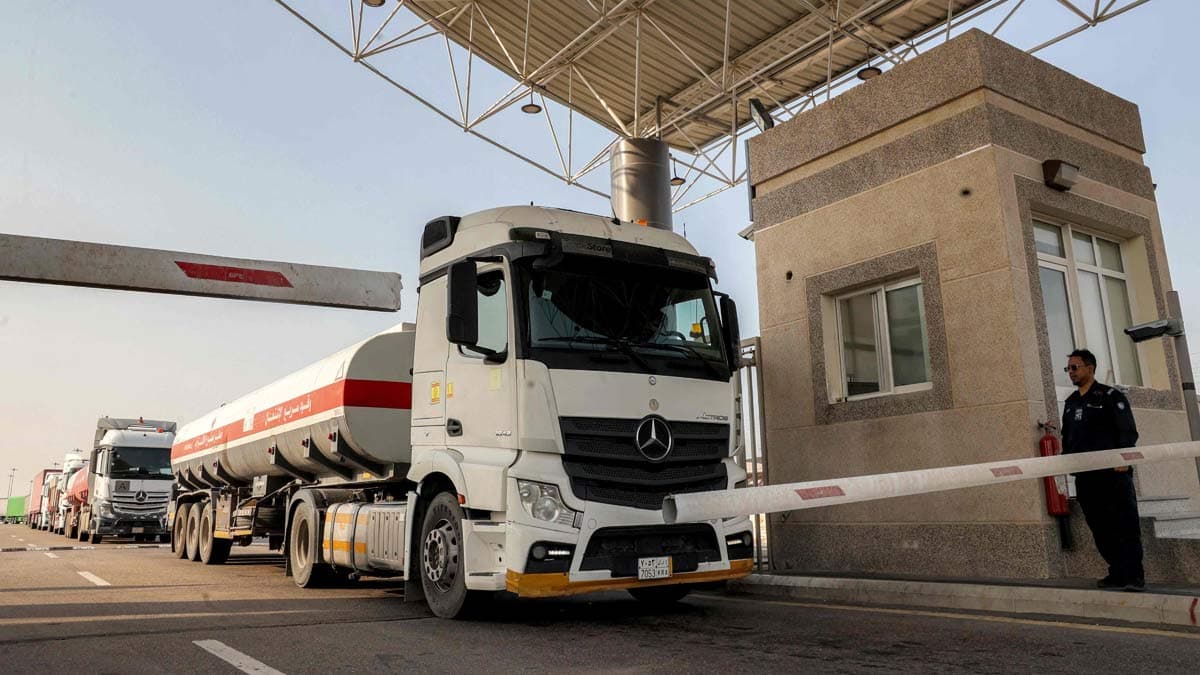
UAE Halts Habshan Gas Facility Operations After Debris From Intercepted Missiles
10 sources compared

Iran Threatens Gulf Energy Facilities After Israel Strikes South Pars Gas Field
11 sources compared