Ukraine War20 November, 20252 min read
Trump Pushes Peace Plan Forcing Ukraine To Cede Territory To Russia
Trump administration backed a 28-point peace plan developed with significant Russian involvement. Plan would require Ukraine to cede parts of eastern Donbas and recognize Russian control.
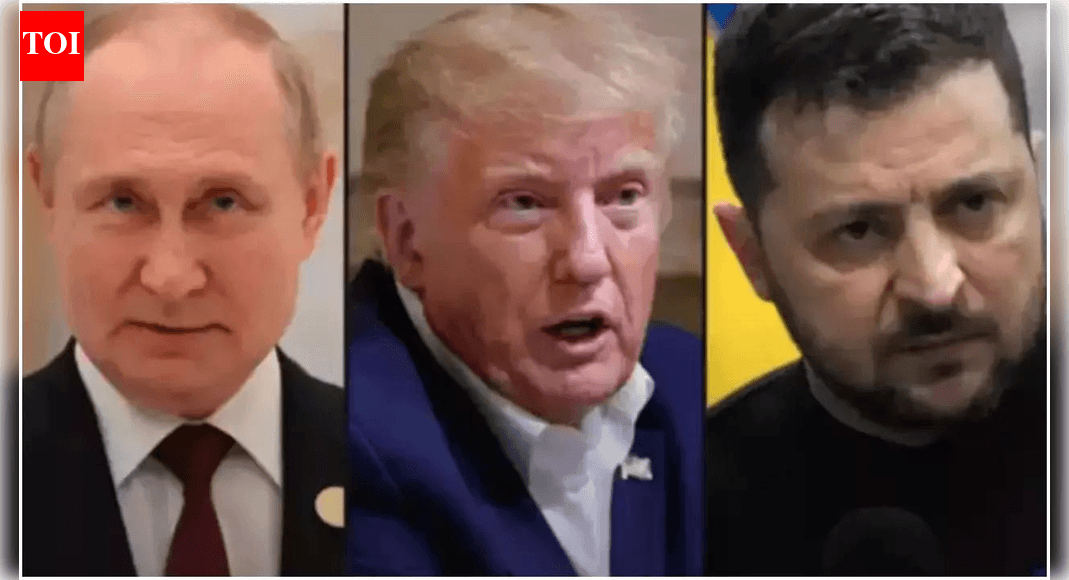
20 outlets told this the same way.
Outlets did split on Russian Attack Kills At Least 33 On Two Buses In Kramatorsk →
Proposed Ukraine peace plan
A reported 28-point peace plan being promoted within Trump-aligned U.S. channels would require Ukraine to make sweeping concessions. It would cede the Donbas (Luhansk and Donetsk) and effectively freeze frontlines in other occupied regions, such as Kherson and Zaporizhzhia. The plan calls for sharply reducing the size and armament of Ukraine’s military.
“Donald Trump’s officials have traveled to Ukraine to press President Volodymyr Zelensky to accept a secret 28‑point peace proposal that sources say is heavily tilted toward Vladimir Putin.”
It would curb foreign troops and U.S. military assistance. The package would also grant cultural and political concessions, including recognizing Russian as an official language in some areas and giving formal status to the Russian Orthodox Church. Proponents frame the plan as a pathway to end the war, while critics say it is heavily tilted in Russia’s favor.

U.S. proposal to Kyiv
U.S. envoys have physically taken the proposal to Kyiv.
A delegation led by Army Secretary Daniel Driscoll and Army Chief of Staff Gen. Randy George visited to press the plan and meet President Volodymyr Zelenskyy.

The trip was described as a fact-finding and negotiating kickstart.
Private U.S.–Russia contacts and meetings involving Steve Witkoff and Pentagon representatives are also reported.
U.S. officials say they want to develop a detailed plan that could be discussed by Kyiv.
Zelensky made measured remarks that teams on both sides are ready to work and that any serious proposal would be considered.
Reactions to peace plan
The proposal provoked swift pushback as Ukrainian officials and many European partners were reported to be surprised or alarmed, viewing the plan as rewarding Russian gains or amounting to unacceptable concessions.
“European diplomats said they felt ‘acutely bitter,’ viewing it as rewarding Russian gains.”
Ukrainian leaders have repeatedly rejected ceding territory outright, though Kyiv said it would consider any 'strong and just' proposal and noted that Driscoll and Zelensky discussed options.
European diplomats reportedly felt "acutely bitter," and some officials warned that peace cannot mean Ukrainian 'capitulation'.
The political fallout in Washington included the announced departure of retired Lt. Gen. Keith Kellogg as lead Ukraine envoy.
Debate over draft plan
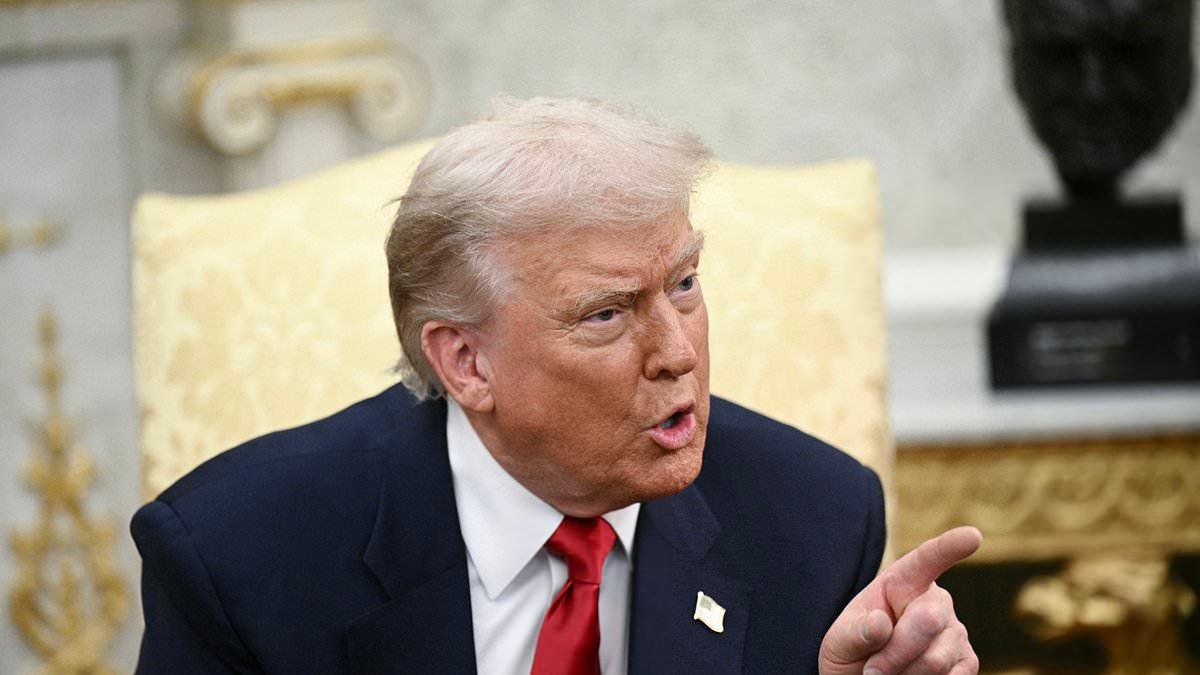
The record is inconsistent about whether the plan has Trump's firm personal approval and whether Russia would reciprocate. Some reports present the document as 'Trump-approved' or note he has reviewed it. Other reports emphasize uncertainty and point out there is no sign of reciprocal concessions from Russia.
U.S. officials and some Republican legislators characterize the draft as a set of ideas to be developed, not a finalized deal. The plan's reported elements have already generated geopolitical consequences and alarm among partners.
Media coverage differences
Coverage varies sharply by source type. Western tabloids emphasize betrayal and describe the plan as effectively surrendering ground to Moscow, naming specific punitive measures and using strong language. Western mainstream outlets focus on process, delegations, and the diplomatic fallout.
“The proposal matches the Kremlin’s preferred endgame—freezing the war on Russian terms, locking in territorial gains, weakening Ukraine and splitting Western unity while avoiding the costs of refusing talks.”
Regional and other outlets underline private intermediaries, negotiating mechanics, and the broader geopolitical implications. These differences matter because tabloids stress the plan's dangers for Ukraine's sovereignty, mainstream outlets flag uncertain legal or diplomatic status and partner reactions, and specialist outlets detail mechanisms and reported meetings.