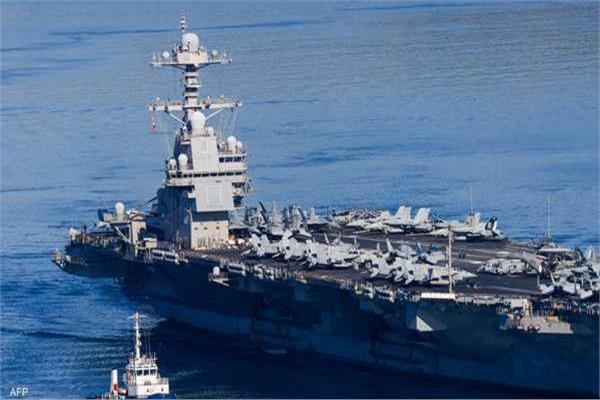
Trump Pushes Temporary Deal With Iran After Attacks on U.S. Ships Near Strait of Hormuz
Key Takeaways
- Trump pressures Tehran for a temporary deal after attacks on U.S. ships near Hormuz.
- Tehran is reviewing the US proposal amid talk of a near-term truce.
- Washington seeks a preliminary agreement to extend diplomacy while Iran remains cautious.
Deal Talks, Fragile Truce
The United States and Iran are moving toward a temporary agreement to halt the war, with Washington pushing for a preliminary deal while Iran appears less inclined to rush, as the cease-fire reached a month and appeared increasingly fragile.
L’Orient Today says U.S. President Donald Trump told reporters on May 7 that "Iran wants a deal more than I do," as the American military responded after Iranian attacks on three U.S. ships near the Strait of Hormuz.
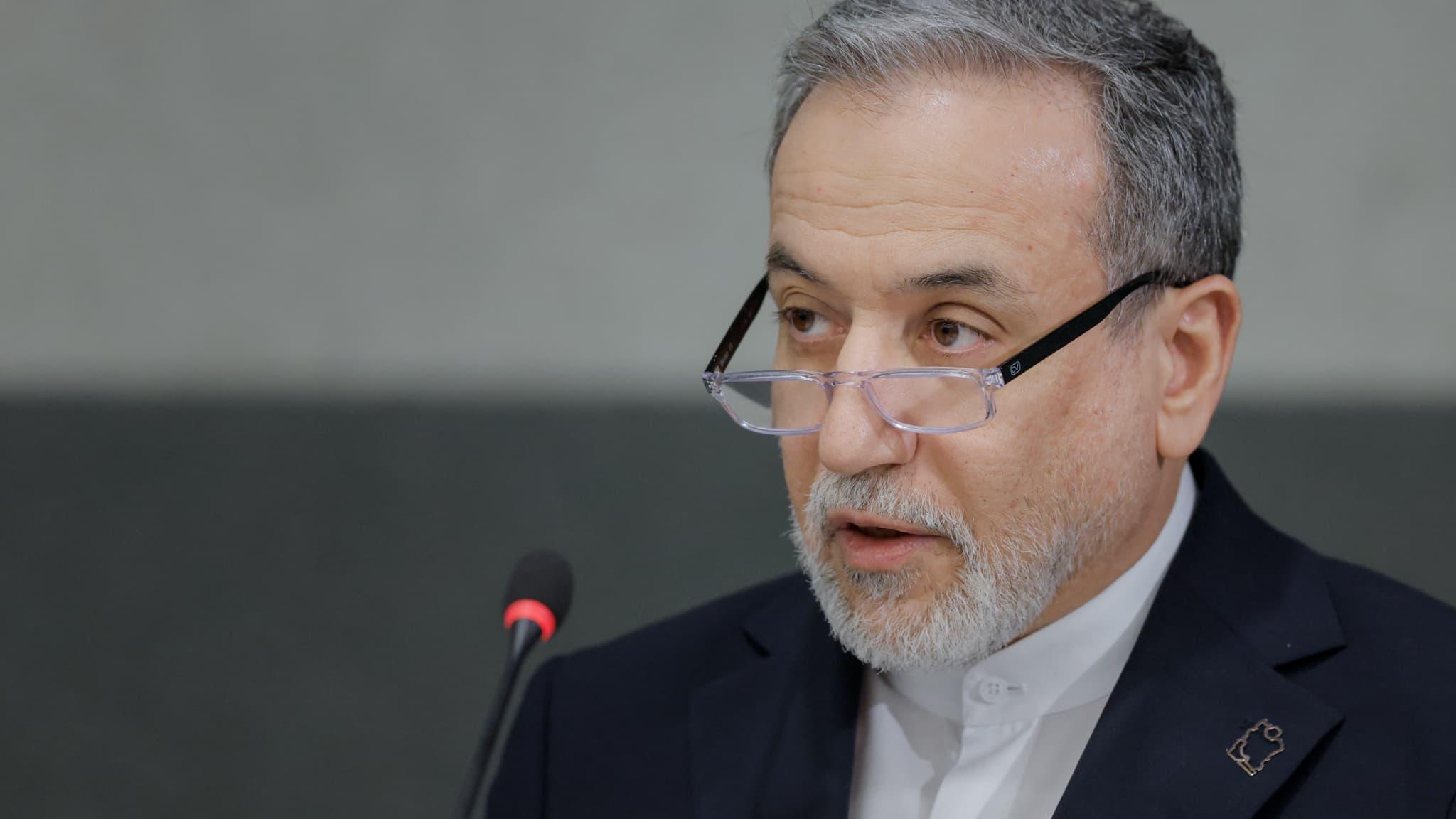
Reuters, via Al Jazeera’s reporting, describes how Iran denounced U.S. strikes as a violation of the truce, while the United Arab Emirates was hit by new drone and missile attacks the following morning.
The Guardian reports that Pakistani officials claimed the US and Iran were close to a temporary agreement to halt the war, with an interim deal potentially reachable "as early as this weekend" while Tehran reviewed a US proposal.
RFE/RL reports that Trump expects an Iranian response to a peace proposal "in the next few hours," as the article also notes Iran’s foreign minister criticized Washington’s "destructive approach" to the diplomatic process on May 9.
Iran’s Conditions and Critiques
Iran’s position is being conveyed through both diplomacy and public messaging, with RFE/RL reporting that Iran’s soccer federation said the national team would compete in the 2026 World Cup "but without any retreat from our beliefs, culture, and convictions."
RFE/RL quotes Iran’s chief Mehdi Taj telling state television on May 8 that "All players and technical staff, especially those who have served their military service in the Islamic Revolutionary Guards Corps...should be granted visas without any problems," while the federation said Tehran set 10 conditions for participation.
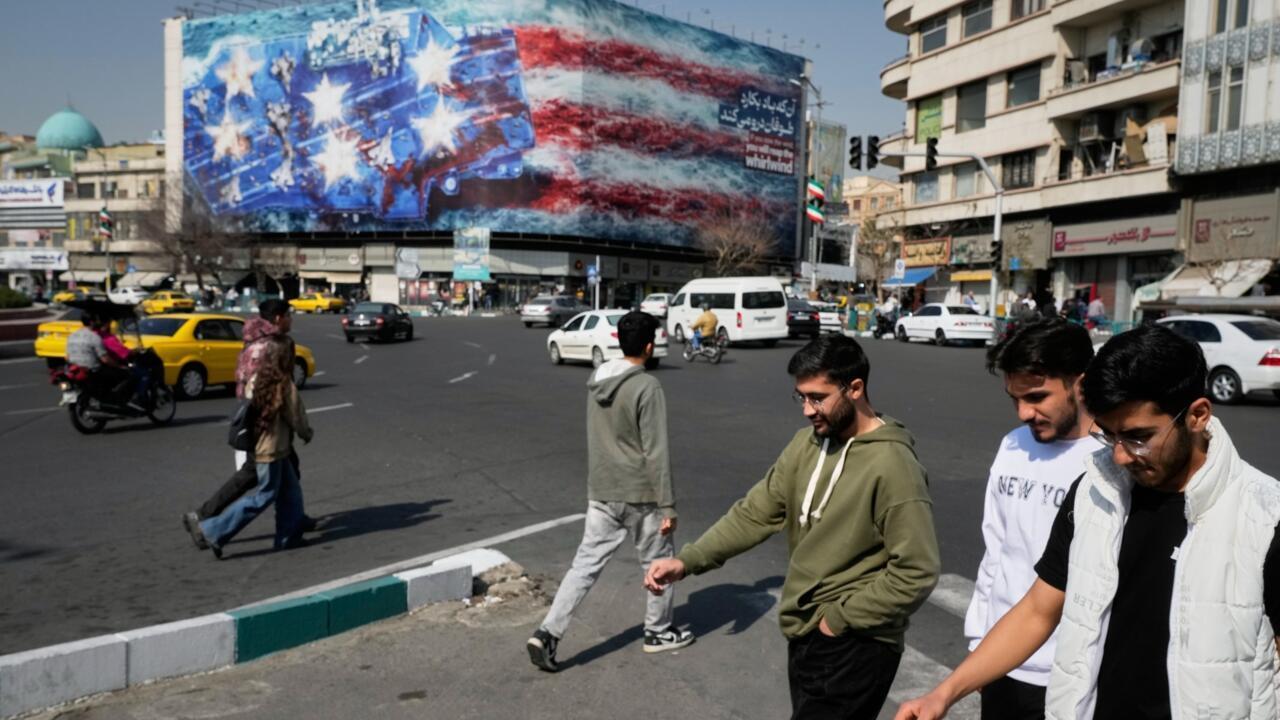
RFE/RL also reports that Iranian Foreign Minister Araqchi, in a phone call with Hakan Fidan, alleged that a "recent escalation by American forces in the Persian Gulf" and repeated violations of the cease-fire have increased suspicions about U.S. intentions.
Iran’s official stance on the proposal is that it has not yet reached a conclusion, with Iran International reporting that Foreign Ministry spokesperson Esmaeil Baghaei told IRNA on Thursday that "Iran has not yet reached a conclusion on the US proposal and no response has been given to Washington."
Iran International adds that the proposed interim memorandum would include two time periods, with the first involving implementing the naval blockade aspects and the second a 30-day window focused on nuclear and sanctions issues, while sources said the memorandum did not mention past U.S. demands rejected by Iran.
What’s at Stake Next
The stakes described by the sources center on whether the interim framework can stabilize shipping through the Strait of Hormuz and prevent a return to conflict, with Reuters cited by Iran International saying the one-page memorandum would aim to prevent a return to conflict and stabilize shipping.
“WASHINGTON — An ugly internal power struggle in Iran is muddying mediation talks with the US, as pro-war and pro-deal factions battle it out over whether Tehran should ever surrender, sources familiar with mediation efforts tell The Post”
Iran International reports that Reuters cited sources and officials saying the proposed framework would formally end the war, resolve the Strait of Hormuz crisis, and open a 30-day window for talks on a broader agreement.
The Guardian frames the negotiation as hinging on control of the strait and the threat to restart attacks on nearby countries’ oil and other infrastructure in the Gulf, while also noting that the US has blockaded Iran and stopped all Iran-linked shipping seeking to exit the Gulf.
Today’s account ties the pressure campaign to U.S. initiatives, describing the blockade of Iranian ports as "Project Freedom" and saying it includes strikes near Bandar Abbas and on Qeshm Island as part of efforts aimed at ending the war launched on Feb. 28.
Iran International also reports that U.S. negotiations were being led by Trump envoy Steve Witkoff and Trump’s son-in-law Jared Kushner, while it says Trump told Axios there was "never a deadline" for negotiations and suggested an agreement could still emerge before his planned trip to China next week.
More on Iran

US Intelligence Says Mojtaba Khamenei Shapes Iran’s War Strategy and Negotiations With Washington
16 sources compared
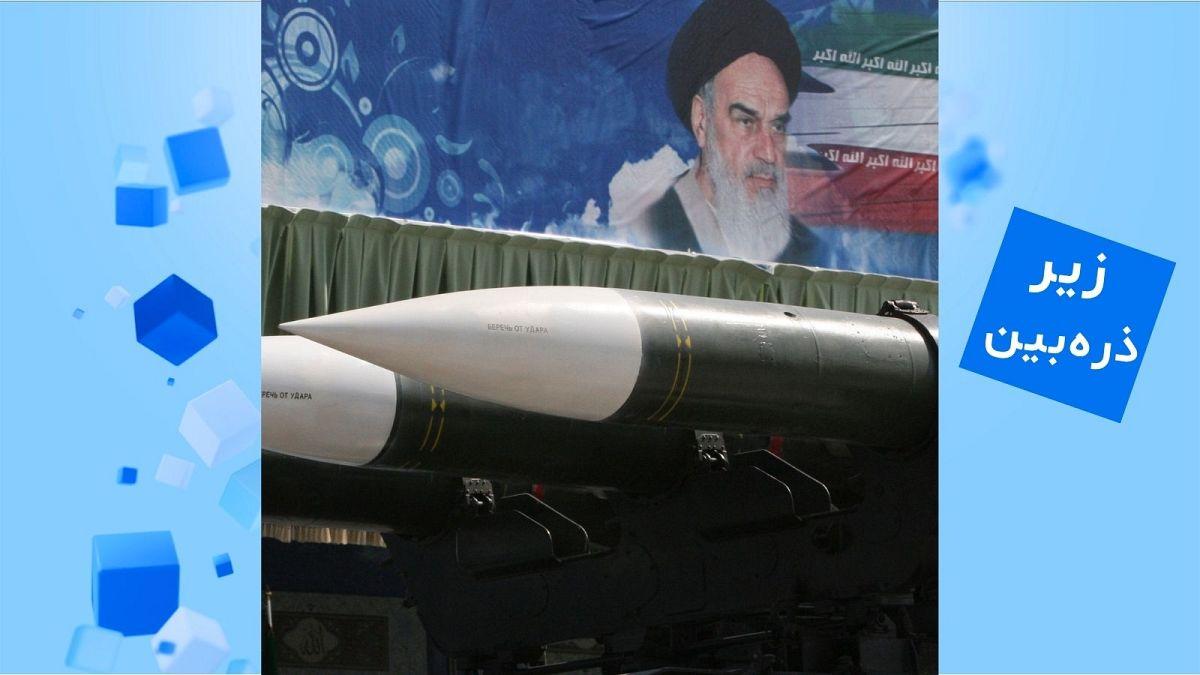
Joe Kent Says U.S. Intelligence Agreed Iran Was Not Developing Nuclear Weapons
12 sources compared
Marco Rubio Imposes Sanctions on Chinese Entities Accused of Supplying Iran Satellite Imagery
14 sources compared

Reuters And Associated Press Say Suspected Oil Spill Expands Near Iran’s Kharg Island
14 sources compared