Ukraine War20 November, 20252 min read
Trump Pushes Ukraine Toward Capitulation With Secret US-Russia 28-Point Plan Forcing Kyiv To Cede Territory
U.S. and Russian officials drafted a secret 28-point peace proposal for Ukraine Proposal would force Ukraine to cede Donbas and recognize Russian control of seized territories
23 outlets told this the same way.
Outlets did split on Russian Attack Kills At Least 33 On Two Buses In Kramatorsk →
Secret US-Russia proposal
Multiple outlets report a secret 28-point US-Russia peace proposal reportedly drafted in private talks involving Trump envoy Steve Witkoff and Kremlin-linked Kirill Dmitriev. Journalistic accounts say the plan would force Ukraine to cede territory and sharply curtail its military.
“The U.S. is pushing a new peace proposal for Russia’s war on Ukraine that Kyiv officials say largely echoes Moscow’s maximalist demands and reintroduces concessions the Kremlin had previously dropped.”
The proposal is described as demanding Ukraine give up control of parts of the Donbas, cut its armed forces to roughly half their size, and forgo long-range weapons while offering unspecified US security guarantees. The draft's existence has not been officially announced by Washington, and outlets stress the details remain unconfirmed even as they cite the same core provisions.

Proposed constraints on Kyiv
Several accounts outline concrete mechanisms by which Kyiv would be weakened. These include a de-facto transfer or long-term lease of Donbas territory to Moscow while leaving nominal legal title to Ukraine.
Other measures cited are demilitarised zones, bans on foreign troops and long-range missiles, and steep caps on Ukrainian manpower. Reporting varies on the precise legal form, with rental fees or leases repeatedly mentioned, but the practical outcome described is loss of control over large parts of eastern Ukraine and a substantial reduction in Ukraine's ability to project force.
Responses to leaked proposal
The leak provoked sharp pushback from Kyiv and many European officials, who denounced the proposal as tantamount to capitulation. Ukrainian sources and European foreign ministers said they were excluded from drafting and that any peace must be negotiated with Ukrainian consent. In parallel, some US politicians and commentators expressed conditional support, urging that any settlement include stronger US military guarantees and illustrating a partisan and geographic split in reactions.
“Senators including Lindsey Graham welcomed the idea of a plan but said any deal must include robust U.S. military commitments...”
Leaked draft controversy
Questions persist over who authored and leaked the draft, how negotiations proceeded, and whether the story reflects real diplomacy or disinformation. Reporting points to secret Miami and private talks between Witkoff and Dmitriev, a cancelled Ankara meeting, and US fact-finding trips to Kyiv. Outlets diverge over credibility: some name the participants and present the plan as a US initiative, while analysts cited by other outlets warn the coverage could be part of a Russian information operation.
Context for draft concerns
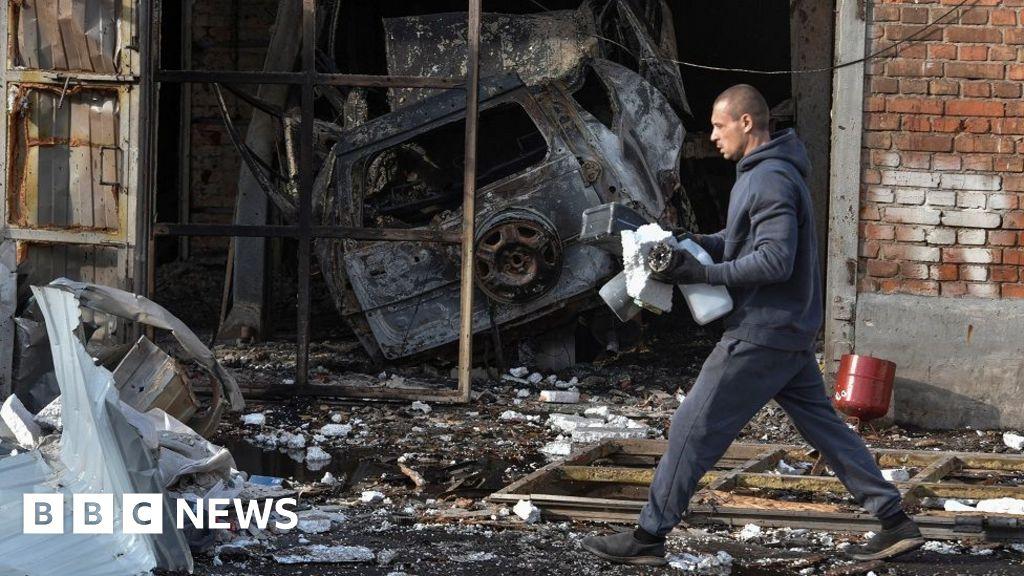
The reports surfaced amid intensified Russian strikes and growing political strain in Kyiv, underscoring why many Ukrainians and their supporters view the draft as especially perilous. Outlets linked the story to deadly Russian attacks, for example a Ternopil strike that killed dozens. They also tied it to a U.N. inquiry into Russian abuses and to domestic scandals that critics say weaken President Zelensky's bargaining position, all context critics argue makes a forced settlement dangerous and illegitimate.
“Russia struck apartment blocks in western Ternopil with cruise missiles, killing 26 people (including three children) and wounding 92...”