Full Analysis Summary
U.S. action in Venezuela
A U.S. operation resulted in the arrest or capture of Venezuelan leader Nicolás Maduro and a rapid U.S. assertion of control over Venezuela’s political transition.
President Trump publicly ruled out the snap elections the law would require within 30 days and signalled U.S. demands for access to Venezuelan assets and infrastructure.
The Independent described the incident as part of the Trump administration’s recent, aggressive actions in the Western Hemisphere, including the capture of Maduro.
El País reported that Trump has effectively taken charge of Venezuela’s political transition, ruled out the legally mandated elections, and demanded access to Venezuelan oil, roads and bridges.
Social News XYZ recorded Trump stating on NBC that the United States is not at war with Venezuela and will not push for immediate elections after Maduro’s capture.
Coverage Differences
Tone and framing
The Independent (Western Mainstream) frames the operation as an aggressive U.S. action and emphasises international and regional instability, whereas El País (Western Mainstream, Spanish) foregrounds the political takeover and explicit U.S. demands for Venezuelan assets; Social News XYZ (Asian) focuses on Trump’s public justification that the U.S. will not push immediate elections and presents his argument as pragmatic. Each source therefore frames the same event with different emphases: force and instability (Independent), political control and conditions (El País), and Trump’s stated rationale and restraint (Social News XYZ).
Narrative focus / missed details
El País highlights domestic political moves such as Delcy Rodríguez being sworn in and an opposition leader expressing gratitude, details not foregrounded by Social News XYZ, which concentrates on Trump’s statements about elections and reconstruction; Independent includes additional international reactions and on‑the‑ground security details absent from El País’s political emphasis. This demonstrates how the sources omit or prioritize different elements of the same crisis.
U.S. position on Venezuela
President Trump said immediate elections in Venezuela are impractical because basic electoral conditions do not exist, noting 'you can't have an election if people can't even vote.'
He framed the priority as stabilizing the country, restoring order, and rebuilding infrastructure and the economy.
Trump also suggested a role for U.S. oil companies in rebuilding Venezuela's energy sector.
El País reported that Trump publicly demanded interim leader Delcy Rodríguez give the U.S. access to Venezuelan oil, roads, and bridges, and warned she could 'pay a higher price than Maduro' if she does not comply.
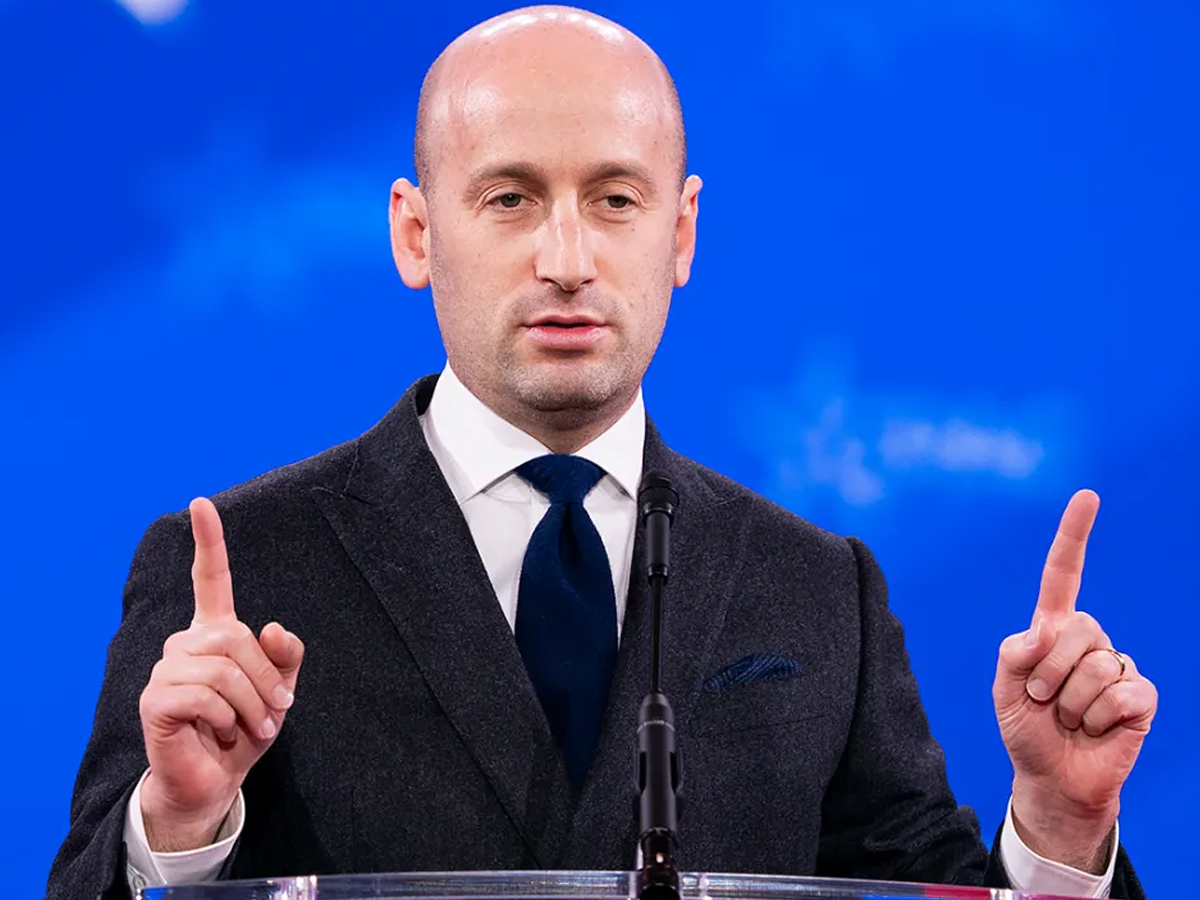
The Independent recorded a domestic defense of the operation in the U.S., referencing Stephen Miller's invocation of a 'Trump doctrine' that allows military use, and noted international concern about the consequences.
Coverage Differences
Contradiction / rhetorical posture
Social News XYZ presents Trump’s rhetoric as pragmatic and stabilising (saying the U.S. “will not push for immediate elections” and prioritising reconstruction), while El País highlights coercive demands and explicit threats to interim leaders, and The Independent records domestic defenders framing the action as a legitimate doctrine for military use. The sources therefore differ sharply on whether the U.S. language is stabilising or coercive.
Detail emphasis
Social News XYZ includes the prospective economic mechanism for reconstruction (U.S. oil companies funding work and being reimbursed), a practical detail not mentioned by The Independent’s focus on international law and instability or by El País’s focus on political transition and threats. This shows differences in reporting priorities — policy mechanics versus legality and political maneuvers.
Legal and diplomatic fallout
The legal and diplomatic fallout is highlighted differently across the three sources.
Both The Independent and El País note Maduro’s appearance in U.S. federal court and that he has pleaded not guilty to narcoterrorism charges.
El País specifies a new hearing set for March 17.
The Independent reports the U.N. Security Council met and U.N. Secretary-General António Guterres warned the move could intensify instability in the region.
The Independent also cites China’s strong condemnation, calling the seizure a violation of international law and Venezuelan sovereignty.
Social News XYZ focuses less on legal or diplomatic condemnations and more on U.S. policy intent and reconstruction timelines.
Coverage Differences
Focus: international law vs policy intent
The Independent foregrounds international legal and diplomatic responses (U.N. warnings and China’s condemnation), El País foregrounds the domestic political transition and court schedule for Maduro, while Social News XYZ foregrounds Trump’s practical arguments for delaying elections and rebuilding — a split between legal/diplomatic framing, political process details, and policy/practical framing.
Omission / relative silence
Social News XYZ does not emphasise the U.N. or China’s condemnation or on‑the‑ground violence, which The Independent highlights; El País concentrates on the political consequences and reactions from Venezuelan opposition leaders, a set of details less prominent in the other two accounts.
Venezuela border and politics
Reporting on immediate local conditions around Venezuela's borders and the political responses inside and outside the country shows further divergence.
The Independent describes on-the-ground security concerns, noting that locals warned visitors about violent gangs controlling side streets near the Colombia–Venezuela bridge.
El País reports political developments and reactions, including Delcy Rodríguez's swearing-in and María Corina Machado thanking Trump and saying she wants to return.
Social News XYZ focuses on the practical obstacles to elections and the sequence of reconstruction, rather than the local security details or the Venezuelan political oath.
Coverage Differences
Local security vs political reaction vs policy pragmatism
The Independent emphasises local security problems and instability, El País emphasises political moves and opposition reactions, and Social News XYZ emphasises Trump’s pragmatic argument about voting feasibility and reconstruction timelines. Each source therefore highlights a different layer of the crisis — security on the ground, political transition and reaction, and policy planning for recovery.
Scope and audience
El País’s live coverage and focus on internal political actors addresses readers interested in Venezuelan political figures and transition, The Independent’s reporting on gangs and international responses targets an audience concerned with regional security and international law, while Social News XYZ conveys Trump’s statements likely aimed at U.S. and international readers interested in policy and reconstruction plans.
Media coverage of Venezuela
Overall, the three sources offer competing and occasionally complementary narratives.
The Independent stresses the aggressive nature of the U.S. action and its international legal and security consequences.
El País focuses on the political takeover, explicit U.S. demands, and Venezuelan political reactions.
Social News XYZ relays Trump’s public justification — delaying elections while stabilising — and outlines a reconstruction role for U.S. oil companies.
These are different emphases drawn from the same core facts: Maduro’s capture, U.S. control of the transition, and court proceedings.
Outlets sometimes omit details others prioritise, resulting in a contested, multi-layered picture of why Trump refuses to call a snap election in Venezuela.
Coverage Differences
Synthesis of narratives
The Independent’s account (Western Mainstream) stresses international law and instability, El País (Western Mainstream) stresses political control and demands on interim authorities, and Social News XYZ (Asian) stresses Trump’s stated pragmatic reasons and economic plans; together they show how source type and editorial focus shape coverage.