USA15 July, 20263 min read
Trump Refuses To Rule Out U.S. Ground Troops In Iran As Ghalibaf Warns Of Invasion
This article is an automated aggregation of coverage from news outlets. Our editorials offer in-depth analysis curated by the NewsCord team.
Trump refuses to rule out deploying U.S. ground troops to Iran. Vice President J. D. Vance says no ground invasion is planned.
Ground troops debated
Donald Trump declined to eliminate the possibility of deploying U.S. ground troops to Iran as tensions rose after the collapse of a memorandum of understanding, with Crypto Briefing saying the likelihood of a U.S. military offensive in Iran before the end of 2026 rose to 23.5%.
“We do not intend to send ground troops to Iran.”
In a separate account, BBC reported that Trump's deputy, J. D. Vance, said, "We do not intend to send ground troops to Iran."

The BBC framing came as renewed discussion followed actions such as the seizure of Kharg Island, while Crypto Briefing tied the debate to a broader escalation backdrop including a cycle of airstrikes.
Crypto Briefing also said prediction markets showed increased activity and highlighted the potential for Iran to close its airspace and the fate of the U.S. blockade on Iranian shipping.
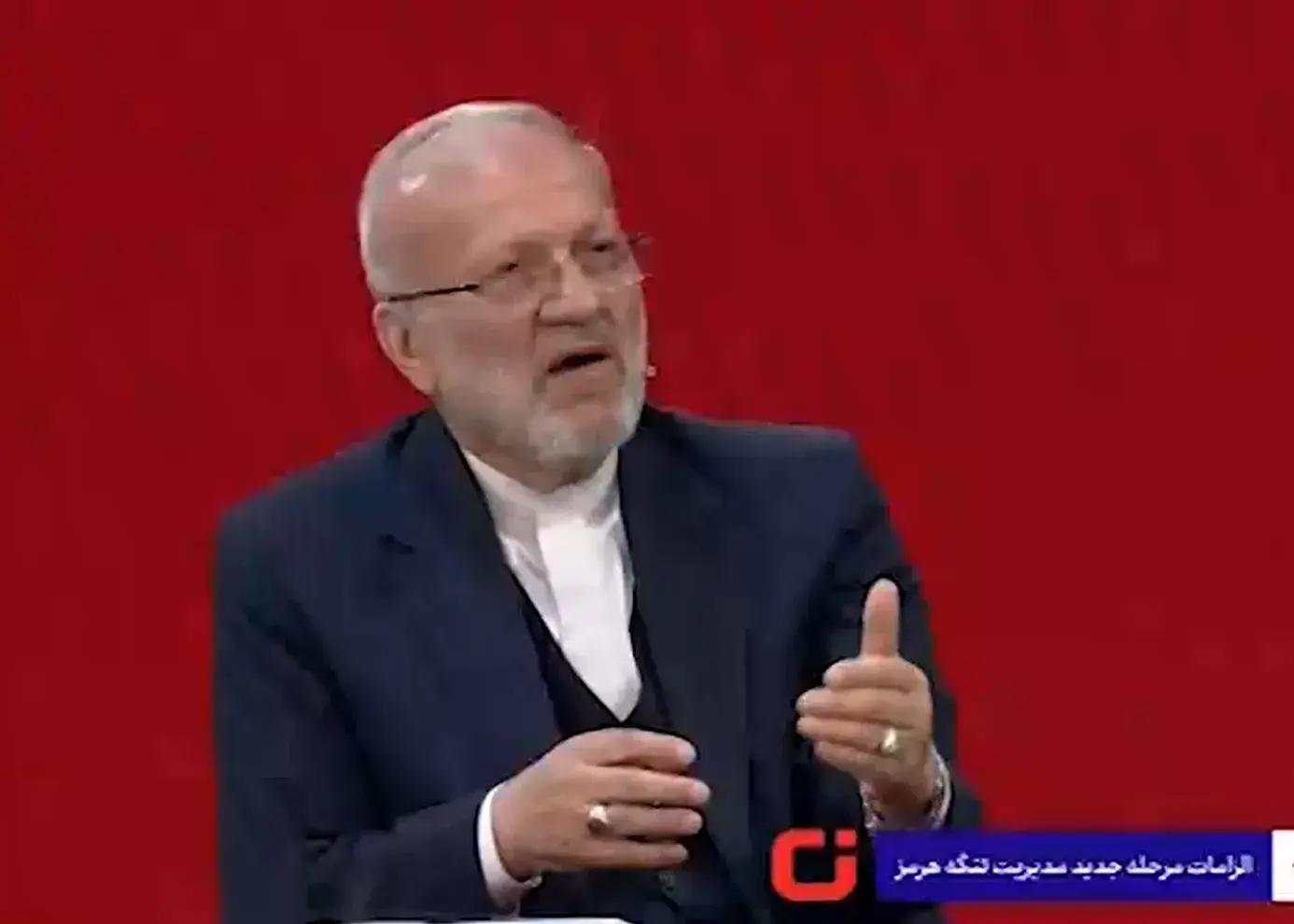
Against that backdrop, News On AIR reported that Iran’s parliamentary speaker Mohammad Bagher Ghalibaf accused the United States of secretly planning a ground invasion and said Iranian forces were ready to respond if U.S. troops entered the country.
Threats, retaliation, and deaths
Iran’s parliamentary speaker Mohammad Bagher Ghalibaf warned that if U.S. troops entered the country, they would be set on fire and that Iran would pledge retaliation against regional partners, while News On AIR said he called for national unity as the conflict reached a most critical stage. News On AIR also reported that Iran’s joint military command declared private residences of U.S. and Israeli officials as legitimate targets, with spokesperson Ebrahim Zolfaghari saying the move targeted military and political officials "in response to attacks on Iranian residential areas by the United States and Israel." In parallel, Al Jazeera reported that Trump had refused to rule out sending U.S. troops into Iran as fighting resumed and U.S. strikes continued, and it asked what a ground invasion could involve.
The death toll figures varied across outlets, with News On AIR saying "over 3,000 people have been killed" in the war that began with U.S. and Israeli strikes on Iran, and listing more than 1,900 in Iran, 19 in Israel, 1,100 in Lebanon, 80 in Iraq, and 20 in the Gulf states. Meanwhile, Al Jazeera’s framing of the operational question contrasted with the BBC’s insistence that Vance said the U.S. was not pursuing ground forces, even as the debate over troop involvement persisted.

Lawmakers, blockade, and diplomacy
An American lawmaker, Ted Lieu, warned in an IRNA account that a ground invasion of Iran without congressional authorization would be unconstitutional and "It would also be madness," adding that American forces would lose their lives in the course of such an invasion. IRNA said the United States restarted a naval blockade, effective from 11:30 p.m. on Tir 23, after claims of attacks on several vessels transiting from the south of the Strait of Hormuz violating the Islamabad Agreement, and it tied the renewed focus to the Strait of Hormuz as the center of a new dispute. Tabnak quoted Nate Swanson, a former Trump negotiator on Iran, saying, "My best guess is that this is a short‑term ploy to restart progress in the negotiations," and it added that he did not see a viable path to military victory.
“A ground invasion of Iran without congressional authorization would be completely unconstitutional. It would also be madness.”
In the same Tabnak report, Swanson said, "I also don’t believe we can reopen the Strait of Hormuz by force against Iran’s wishes," while Gregory Brew told Tabnak he was not sure the United States had much of a strategy. As the diplomatic track continued to be discussed, News On AIR said the foreign ministers of Saudi Arabia, Egypt, Türkiye, and Pakistan met in Islamabad to discuss ways to de-escalate the conflict and promote regional security, with the meeting coming amid delays in direct U.S.-Iran talks.