USA14 January, 20262 min read
Trump Reiterates Threat To Seize Greenland
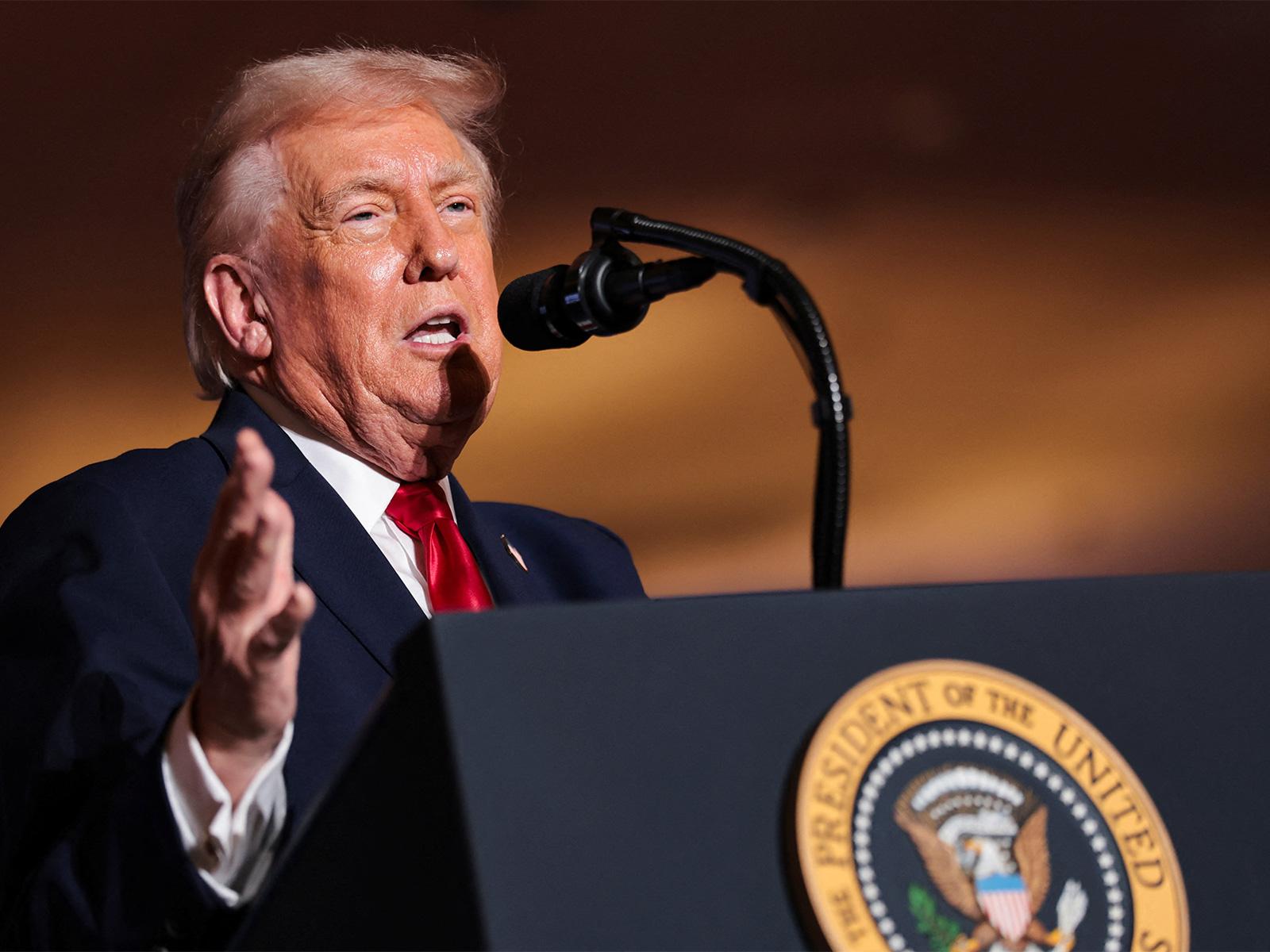
Trump repeatedly demanded U.S. control of Greenland, calling anything less 'unacceptable' for national security Denmark and Greenland rejected U.S. acquisition efforts, labeling attempts to seize the island 'totally unacceptable'
44 outlets told this the same way.
Outlets did split on Trump Interrupted by Protesters at San Antonio Rally for Ken Paxton →
Push to acquire Greenland
President Trump publicly renewed his push for the United States to take control of Greenland, framing the move as necessary for U.S. 'national security' and urging NATO to help secure the island while warning that 'if we don't, Russia or China will.'
“President Trump has revived calls for the United States to acquire Greenland, arguing the island is needed for U.S. national security and urging NATO to support a takeover while repeating claims that China and Russia have designs on the territory.”
News outlets reported that he used social posts and public remarks to call anything short of U.S. control 'unacceptable,' suggested the alliance should lead an effort to acquire Greenland, and tied the proposal to his broader missile-defense ideas such as a proposed 'Golden Dome.'
Greenland sovereignty and security
Danish and Greenlandic officials forcefully rejected the notion that Greenland is for sale and emphasized respect for sovereignty and Greenlanders' self-determination.
Delegations from Greenland and Denmark met U.S. officials, including Vice-President J.D. Vance and Secretary of State Marco Rubio, and Copenhagen announced plans to increase its Arctic military presence and exercises with allies in response.

Greenland's leaders and foreign minister said the island will remain aligned with Denmark and European institutions, and some officials warned that any attempt to seize Greenland by force would risk NATO cohesion.
Greenland security skepticism
Many Greenlanders and analysts question the administration's security justification. Reporting highlights local skepticism that foreign warships or imminent Chinese or Russian moves near Greenland pose the imminent threat portrayed by Trump.
“Experts and many Greenlanders dispute those security claims as exaggerated — locals in Nuuk say they rarely see foreign warships and call Trump’s assertions 'fantasy.'”
Journalists quoted Nuuk residents and experts saying they rarely see foreign warships and called Trump's assertions fantasy. Several outlets and commentators suggested access to minerals and new Arctic shipping routes, not immediate military danger, may explain the push.
Arctic security developments
Multiple outlets report diplomatic and strategic details showing the U.S. already has broad military access under a 1951 agreement. U.S. envoys met Danish and Greenlandic ministers in Washington. European allies moved to reassure Denmark.
Coverage notes practical responses, including Denmark boosting Arctic exercises. NATO partners sent small exploratory teams.

The parties agreed to further working-group talks. Analysts flagged the enormous projected cost of any forcible acquisition.
Media framing differences
Coverage differs sharply in tone and implied judgment across source types; Western mainstream outlets largely present the diplomatic and security sequence with institutional context and allied reactions. West Asian and other Asian outlets emphasize sovereignty and local pushback.
“President Trump has revived calls for the United States to acquire Greenland, arguing the island is needed for U.S. national security and urging NATO to support a takeover while repeating claims that China and Russia have designs on the territory.”
Western alternative and tabloid outlets underscore provocation, populist rhetoric, or portray Trump's statements as bluster or ideology. These differences affect how the story is framed, as a policy debate, a sovereignty crisis, local resistance, or a sensational presidential stunt, and readers should note the contrasting emphases across sources.