Trump Rejects Iran’s 30-Day War-End Proposal, Calls It Not Acceptable
Key Takeaways
- Trump rejected Iran's 30-day war-ending plan as unacceptable.
- Plan contained three main stages, including a 30-day phase to end the war.
- Plan proposed deferring nuclear talks until after ceasing the war.
Trump rejects Iran plan
US President Donald Trump rejected Iran’s latest proposal to end its war with the US and Israel, calling it “not acceptable.”
“Toggle Play Iran lawmaker says Strait of Hormuz will not return to pre‑war state Iran says the Strait of Hormuz will never return to the status quo that existed before the US and Israel launched their war”
In a Sunday interview with Kan public broadcaster, Trump said, “It’s not acceptable to me. I’ve studied it, I’ve studied everything — it’s not acceptable,” after reviewing what The Times of Israel described as a 14-point proposal.

The Times of Israel reported that the plan would first bring the fighting to a close and open the Strait of Hormuz within 30 days, with later talks on Tehran’s nuclear program.
The Jerusalem Post similarly reported that Trump told Kan News that he had reviewed the Iranian peace proposal and that it was “not acceptable,” adding that the plan contains three main stages with a 30-day phase aimed at transforming a ceasefire into a complete end to the war.
The Jerusalem Post said the Iranian draft reportedly calls for the US to lift sanctions on Iran, end its blockade on Iranian ports, withdraw US forces from the region, and cease all hostilities, including Israel’s war in Lebanon.
The Times of Israel said the offer reportedly floats “an up to 15-year freeze on nuclear enrichment,” followed by curbs on the program, and that the US and Iran would only later begin talks on Tehran’s nuclear program.
Both outlets also described the proposal as part of a broader diplomatic exchange after a ceasefire took effect on April 8, halting a war that began at the end of February, with Iran saying on Sunday that the US responded via Pakistan and that it was reviewing the response.
Hormuz, mines, and nuclear delay
The Iranian proposal described by The Times of Israel and The Jerusalem Post placed the Strait of Hormuz at the center of the first phase, while postponing nuclear negotiations to a later stage.
The Times of Israel reported that the proposal’s first stage would last 30 days and would see the sides negotiate a permanent end to the war and a withdrawal of the American force buildup from the area around Iran, with the cessation of hostilities also ending the fighting in Lebanon between Israel and the Iran-backed Hezbollah terror group.

It added that Iran would gradually open the Strait of Hormuz, a key pathway for the global oil supply, which it has blocked since the beginning of the war, and would work to clear mines in the waterway.
The Jerusalem Post said the plan contains three main stages, with the first phase transforming a ceasefire into a complete end to the war, and that after that “the Strait of Hormuz would gradually reopen,” while the US would lift its blockade and Iran would take charge of clearing the sea mines.
The Times of Israel also said the proposal would include an up to 15-year freeze on nuclear enrichment, followed by curbs on the program, and that after the first stage the US and Iran would enter talks on Iran’s nuclear program.
The Jerusalem Post reported that during the second phase Iran would agree to a 15-year freeze on uranium enrichment, after which it would resume enriching uranium to 3.6%, and that the proposal suggests transferring existing enriched uranium to other countries and diluting it to civilian enrichment levels.
The Jerusalem Post further said that Iranian Foreign Ministry spokesperson Esmaeil Baghaei denied that the proposal included any clause related to the nuclear issue, telling state television that “Iran's proposal did not include any clause related to the nuclear issue.”
The Times of Israel similarly reported that an Iranian foreign ministry spokesperson said, “At this stage, we do not have nuclear negotiations,” according to state media, underscoring the dispute over whether nuclear talks are part of the current stage.
In parallel, The Times of Israel described Trump’s response as shifting to maritime operations, saying Trump would on Monday morning begin an effort to “guide” stranded ships out of the Strait of Hormuz.
Economic pressure and escalation
Beyond the proposal itself, the sources tied the diplomatic standoff to economic pressure and continued military posture.
The Times of Israel reported that US Treasury Secretary Scott Bessent said the US was “suffocating” Iran’s leadership through the “economic blockade” launched alongside the US-Israeli military offensive, telling Fox News, “We are suffocating the regime, and they are not able to pay their soldiers. This is a real economic blockade, and it is in all parts of government — all hands on deck.”
The Times of Israel also described bellicose rhetoric from both sides, including an Islamic Revolutionary Guard Corps intelligence arm statement on Iranian state television that “Trump must choose between ‘an impossible operation or a bad deal with the Islamic Republic of Iran,’” and that it cited what it described as an Iranian “deadline” over the US naval blockade.
The Times of Israel said Trump indicated on Saturday that he was examining the proposal but was likely to reject it, saying Iran had yet to pay “a big enough price.”
The Jerusalem Post framed the proposal as a rebuttal to the US’s nine-point peace plan, and it said the US had reportedly responded through Pakistani mediators while US Special Envoy Steve Witkoff confirmed that the US and Iran were “in conversation.”
In the same reporting stream, The Times of Israel said Trump would begin “Project Freedom,” writing on Truth Social that it was a “humanitarian gesture,” and warning that “If, in any way, this humanitarian process is interfered with, that interference will, unfortunately, have to be dealt with forcefully.”
The Times of Israel also reported that Trump said countries had reached out requesting assistance in securing safe passage of ships “locked up” in the strait, describing them as “neutral and innocent bystanders.”
The Jerusalem Post added that the Iranian foreign ministry spokesperson Esmaeil Baghaei said on state television that Iran’s proposal did not include any clause related to the nuclear issue and that the US response via Pakistan was under review in Tehran.
Navigation nearly at a standstill
While Trump rejected the proposal, other reporting focused on the immediate operational reality in and around the Strait of Hormuz, describing traffic as nearly at a standstill and highlighting how the standoff affected shipping patterns.
The East described “Traffic through the Strait of Hormuz nearly came to a complete standstill,” while Tehran said Pakistan had received Washington’s reply to a proposal to end the war after Trump said he was studying Iran’s latest peace proposal.
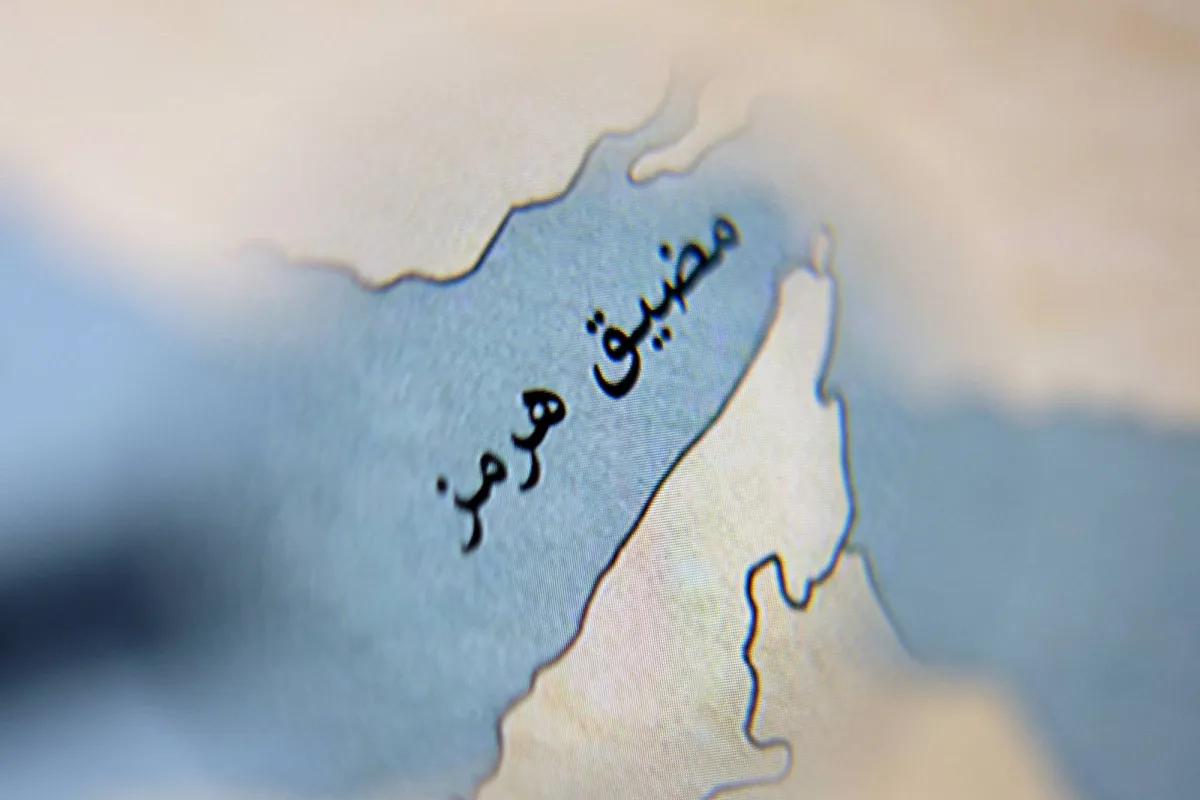
The East said Bloomberg published a “tracker” of movement through the Strait of Hormuz designed to monitor movement of all categories of commercial shipping, and it reported that hopes for a quick easing of mutual sanctions faded after Trump said he would review the plan.
It also reported that a tracking of the Hormuz Strait showed an extremely large crude oil tanker, believed to have already left several days ago, among about 12 ships that had left the Persian Gulf since the beginning of March, and that the ship “Kin E” departed its anchorage at Duqm on the Omani coast and was heading toward the Suez Canal.
The East said commercial traffic observed in Hormuz from Saturday morning to Sunday afternoon was limited to the usual mix of small ships linked to China or linked to Iran, and that departures remained limited on Sunday morning with a single bulk carrier connected to Iran the only one seen leaving the Gulf.
It further said the ships that crossed Hormuz with AIS active over the past day were confined to the narrow northern passage approved by Tehran, and that most Iran-linked ships had recently stopped in the Gulf of Oman.
The East also described how the US naval blockade centered east of the Gulf and the risk of attacks could push Iran-linked ships to stop signaling on entering or leaving the Gulf to avoid monitoring, making crossing figures potentially revised later.
In parallel, The Arabiyah Business reported that Trump said the US would launch efforts to direct ships stuck in the Strait of Hormuz, controlled by Iran, and it described the operation as potentially broad to help “hundreds of ships and around 20,000 sailors.”
The Arabiyah Business also quoted Trump’s framing that neutral and innocent countries had been affected and that “We have told these countries that we will direct their ships safely out of these restricted waterways.”
Inflation risks and global fallout
The sources also connected the Iran standoff and the Strait of Hormuz disruption to projected economic impacts, including inflation and energy price shocks.
Al Arabiya Persian reported that the World Bank forecast energy prices in 2026 would rise by 24 percent due to the war, and it said commodity prices would rise by 16 percent this year.
It added that the World Bank’s Commodity Markets Outlook warned that if tensions in the region escalate and supply disruptions persist beyond expectations, prices could rise even further, and that the base scenario assumes a gradual return of shipments via the Strait of Hormuz to near pre-war levels by October.
Al Arabiya Persian said oil prices continued their upward trend on Tuesday, May 8, as efforts to end the war between the United States and Iran stalled and the Strait of Hormuz remained almost completely closed, causing energy supplies and chemical fertilizers to be unavailable to global buyers.
The same report said the World Bank noted that attacks on energy infrastructure and disruptions in shipping through the Strait of Hormuz, which before the war accounted for about 35 percent of global seaborne crude oil trade, had caused the largest shock to global oil supply.
It also provided figures for Brent crude, saying the average Brent price in 2026 would be about $86 per barrel, while 2025 was estimated at about $69, and it warned that if critical oil and gas facilities suffer further damage and recovery of exports takes longer, Brent could average $115 per barrel this year.
Al Arabiya Persian quoted Indermit Gill, Senior Economist at the World Bank, saying, “War cascades through the global economy like a wave: it starts with higher energy prices, then food prices, and finally inflation, which raises interest rates and makes debt more expensive.”
Separately, the Akaz report quoted Neel Kashkari, President of the Federal Reserve Bank of Minneapolis, saying, “I am very focused on the war in Iran and its impact on inflation and economic demand,” and it tied that to the continued closure of the Strait of Hormuz through which “20% of global oil and gas supplies passed before the war.”
Kashkari also said, “I do not feel comfortable signaling a possible cut in the interest rate,” and added that the US central bank may be forced to raise interest rates.
More on Iran

United States And Iran Digitally Sign Memorandum To End War, Reopen Strait Of Hormuz
41 sources compared
Trump Administration Releases 14-Point Iran Deal Text, Says It Prevents Worldwide Depression
24 sources compared

Trump Warns Iran Over 14-Point US Memorandum, Triggering 60-Day Strait Of Hormuz Talks
19 sources compared

Three Iranian Tankers Diona, Hero II, Sonia I Pass US Blockade Line in Gulf of Oman
25 sources compared