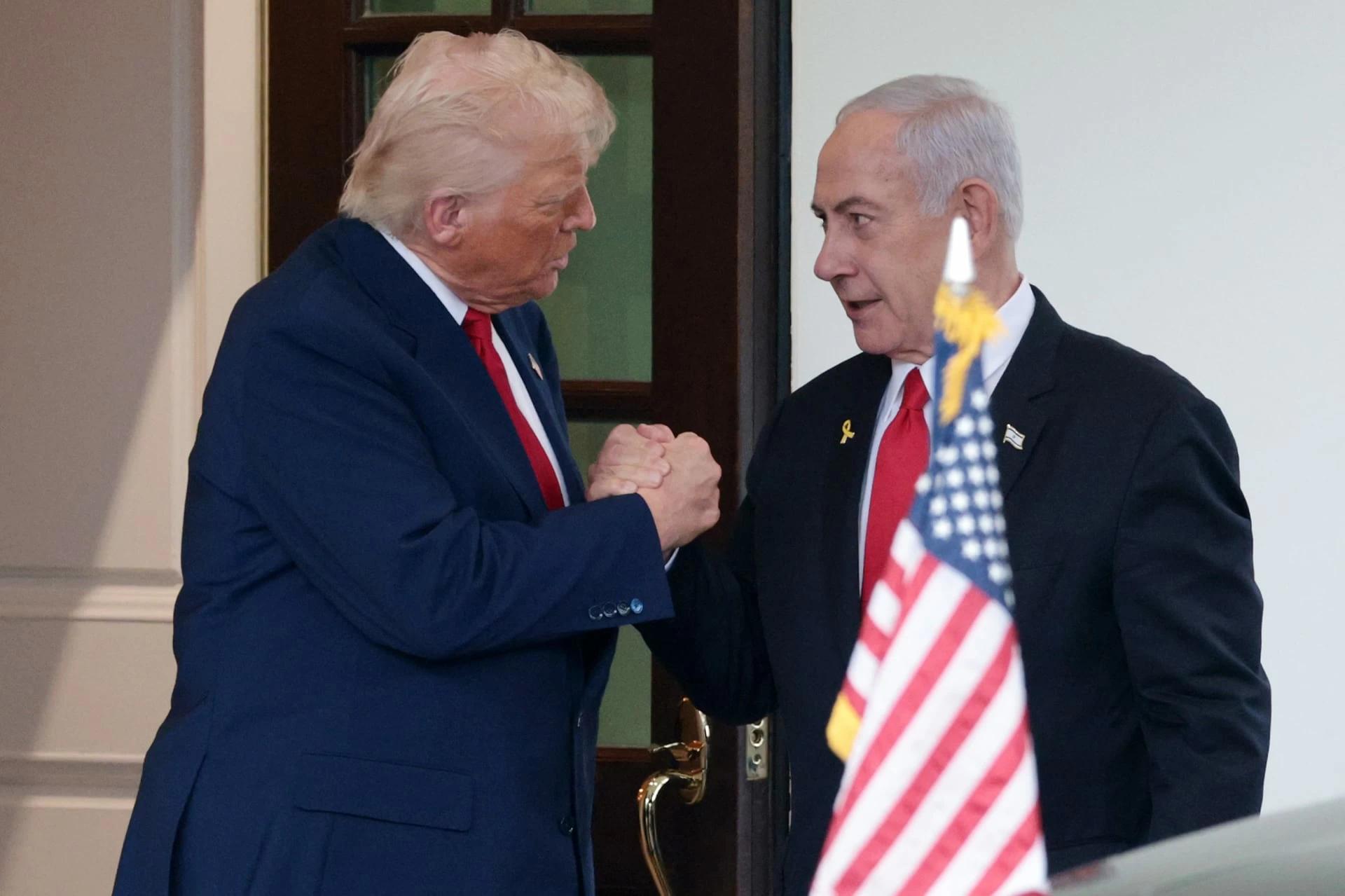
Trump Rejects Iran’s Response to US Peace Proposal, Calls It ‘Totally Unacceptable’
Key Takeaways
- Trump rejects Iran's response to US peace proposal as totally unacceptable.
- Iran's response was delivered to Washington via Pakistani mediators.
- Talks aim to end the war and preserve a ceasefire between sides.
Trump rejects Iran response
US President Donald Trump rejected Iran’s response to a US peace proposal, calling it “totally unacceptable” on Truth Social after he said he had “just read the response from Iran’s so-called ‘Representatives.’”
NBC News reported that Iranian state media said the response was sent through Pakistani mediators, as talks between Tehran and Washington remained stalled and the two sides continued to trade fire in the Persian Gulf on Saturday.

The Guardian said the Iranian counter-proposal was passed to Washington through Pakistani mediators and described it as including lifting US sanctions, ending the US naval blockade of the strait of Hormuz after an initial understanding, and an immediate end to the war with guarantees against any renewed attack.
NBC News also said the US was still waiting for a “clear resolution” from Iran on its latest proposal, while Energy Secretary Chris Wright told “Meet the Press” that the US was seeking the “free flow of traffic through the international waters that are the Straits of Hormuz.”
Netanyahu, Waltz, and threats
Benjamin Netanyahu warned the war was “not over,” telling CBS programme 60 Minutes that “There’s still enrichment sites that have to be dismantled,” after he said he had spoken with Trump by phone on Sunday.
The Guardian reported that Trump responded shortly afterwards by saying: “I have just read the response from Iran’s so-called ‘representatives’. I don’t like it – totally unacceptable.”

CNN said Mike Waltz told “Fox News Sunday” that the US laid out a “very clear red line” in its latest proposal, while also reporting that Iran’s military warned that countries enforcing sanctions against Tehran will “face problems” when their vessels use the strait.
CNN further reported that the US was maintaining its naval blockade on Iranian vessels and ports, and that the US military on Friday fired on Iranian-flagged oil tankers trying to circumvent its blockade.
Hormuz stakes and next moves
Al Jazeera reported that Iranian authorities and state-linked media emphasized that they consider control over the Strait of Hormuz more important than ever as the US awaited Tehran’s latest response being exchanged through intermediaries.
Foreign Ministry spokesperson Esmaeil Baghaei told reporters on Saturday that Iran was still reviewing Washington’s proposal, while Mohamad Mohkber said the strait is “a capability on the level of an atomic bomb” because it can affect the entire global economy with a single decision.
Al Jazeera also quoted Mohammad Reza Aref saying Tehran’s “management will ensure the security of this waterway and benefit all countries in the region,” and it reported that the Islamic Revolutionary Guard Corps and US warships have traded fire over transit in the strait in recent days.
NBC News said Trump’s plan for military vessels to escort merchant ships through the Strait of Hormuz, known as “Project Freedom,” was paused last week, and it added that the US continued its own blockade of Iran’s ports while an intelligence analysis concluded Tehran could withstand a naval blockade for months.
More on Iran
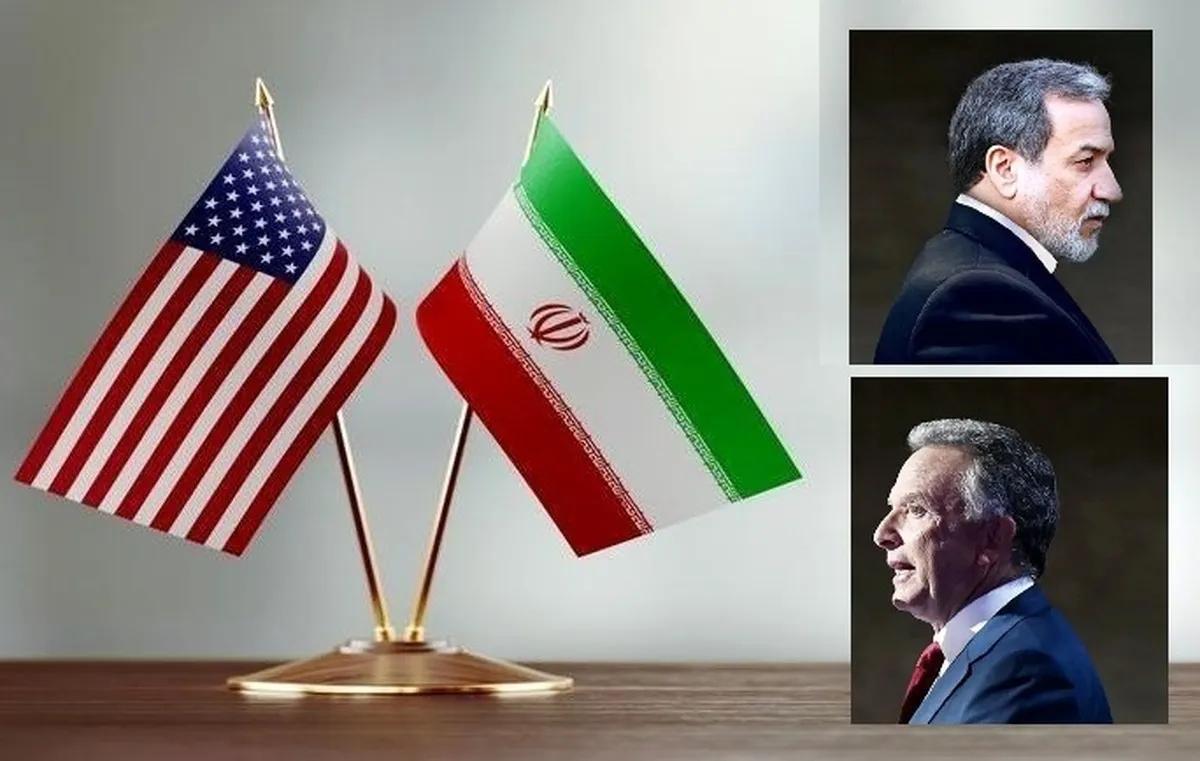
Trump Rejects Iran’s Response to U.S. Peace Proposal as Iran Blocks Strait of Hormuz Ships
14 sources compared
Iran Sends Response to US Proposal via Pakistan, Trump Calls It Totally Unacceptable
19 sources compared
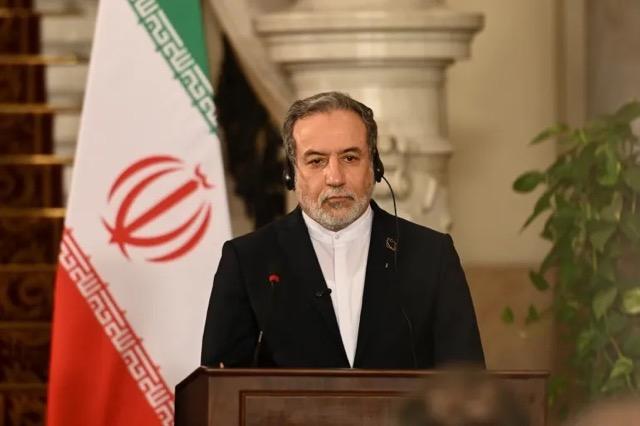
Trump Rejects Iran’s Response To U.S. Peace Proposal As Two Ships Pass Strait Of Hormuz
10 sources compared

Iran Demands 10-Point Visa And Security Conditions For 2026 World Cup Participation
14 sources compared