South America30 January, 20262 min read
Trump Reopens Venezuelan Airspace, Directs Airlines and Investors to Return
This article is an automated aggregation of coverage from news outlets. Our editorials offer in-depth analysis curated by the NewsCord team.
Trump ordered reopening of all commercial airspace over Venezuela. Trump instructed Transportation Secretary and U.S. military to allow commercial flights to resume.

5 outlets told this the same way.
Outlets did split on Brazil Police Kill Suspect After 13 Kindergarteners Held Hostage In Curitiba →
U.S. reopens Venezuelan airspace
President Donald Trump announced the immediate reopening of commercial airspace over Venezuela, directing Transportation Secretary Sean Duffy and U.S. military commanders to implement the change by the end of the day. The Federal Aviation Administration (FAA) subsequently removed precautionary notices to carriers covering the region, signaling that U.S. authorities considered the risks reduced and that American citizens would soon be able to travel there. Trump described the situation as being "under very strong control" when speaking with Venezuela's interim president Delcy Rodríguez, while U.S. reporting framed the move as a reversal of an earlier warning to airlines related to a prior U.S. military buildup near Venezuela.
“President Trump announced he had ordered commercial airspace over Venezuela to be reopened Thursday, nearly four weeks after a US military operation aimed at toppling Nicolás Maduro.”
U.S. operations in Venezuela
The announcement comes in the wake of U.S. military operations in Venezuela earlier this month.
Sources differ in how they phrase the outcome of those operations.
Mathrubhumi describes the reopening as occurring nearly four weeks after a US military operation aimed at toppling Nicolás Maduro.
The Washington Post reports that U.S. forces reportedly captured Venezuelan President Nicolás Maduro on Jan. 3.
Voz.us states the FAA notice removal came during U.S. military operations that culminated in the capture of Nicolás Maduro and a temporary U.S. assumption of certain governmental functions.
The prior suspension of civil air traffic had already disrupted flights between the U.S., Venezuela and many Caribbean routes.
Travel and industry impacts
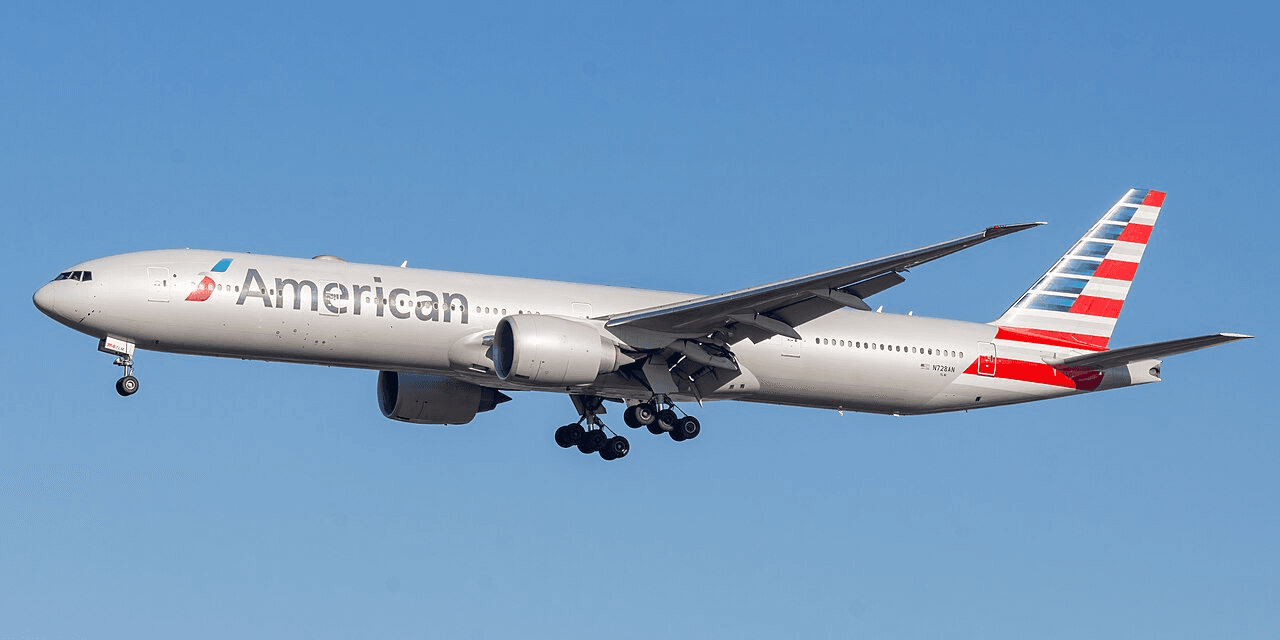
Reports said practical industry and traveler impacts were immediate. The FAA removed four precautionary notices to airlines. American Airlines announced it would reactivate direct U.S.-Venezuela flights, citing family reunions and renewed trade opportunities.
“American Airlines said it will reactivate direct U.S.–Venezuela flights, citing family reunions and renewed trade opportunities.”
Sources highlighted travel and commercial consequences of the suspension and reopening, noting earlier disruptions to U.S.-Caribbean routes. They stressed that airlines and investors are being encouraged to return as ties begin to normalize.
U.S.–Venezuelan relations update
Several sources place the reopening in a broader push to normalize U.S.–Venezuelan relations. voz.us reports the reopening is 'part of broader efforts to normalize ties.' It notes Secretary of State Marco Rubio's statements about reopening the U.S. embassy and a U.S. team already on the ground assessing conditions.
Mathrubhumi records the direct diplomacy, citing Trump speaking with interim president Delcy Rodríguez. The Washington Post frames the move in immediate military and safety terms rather than detailing diplomatic follow-up.
Media reporting differences
While the reopening and industry responses were reported clearly, the sources reveal ambiguity about certain facts and differing degrees of assertiveness in reporting the recent military developments. The Washington Post uses the qualifier "reportedly" for the claim that U.S. forces captured Maduro. Voz.us states the operations "culminated in the capture of Nicolás Maduro."
“The move comes after U.S. forces reportedly captured Venezuelan President Nicolás Maduro on Jan. 3, and Venezuelan officials welcomed the announcement.”
Mathrubhumi's excerpt references a military operation aimed at toppling Maduro without explicitly stating a capture. These differences matter for readers because they reflect varying levels of confirmation and editorial caution across outlets.