
Trump Reviews Iran Proposal To End War, Says He Can’t Imagine It’s Acceptable
Key Takeaways
- Iran submitted a revised ceasefire proposal via Pakistani mediators to end the war.
- Trump said he would review the proposal soon and cannot imagine it acceptable.
- Trump signaled possible renewed U.S. strikes if the proposal is not acceptable.
Trump reviews Iran offer
President Donald Trump said he was reviewing a new Iranian proposal to end the war, telling reporters “I’ll let you know about it later,” as he boarded Air Force One.
Reuters and PBS both describe that Trump said “they're going to give me the exact wording now,” after being told the “concept of the deal.”
The proposal, described by multiple outlets as being sent via Pakistan, is portrayed as a 14-point response to a nine-point U.S. proposal, with two semiofficial Iranian outlets, Tasnim and Fars, believed close to Iran’s Islamic Revolutionary Guard Corps.
PBS places Trump’s remarks in West Palm Beach, Fla., and says he spoke on Saturday before boarding Air Force One.
BBC reports that Trump told Congress the ceasefire meant he did not need their approval for the Iran war, while he also said he was looking at the Iranian proposal “now.”
Across the coverage, Trump’s posture is skeptical: Radio Free Europe/Radio Liberty quotes him posting on Truth Social that he “can’t imagine” the plan would be acceptable because Iran “have not yet paid a big enough price for what they have done to Humanity, and the World, over the last 47 years.”
Even as negotiations continue, Trump leaves open the possibility of force, telling reporters, “If they misbehave, if they do something bad, right now we’ll see. But it’s a possibility that could happen.”
What the proposal includes
Iran’s proposal is described in detail as a package meant to end the war while addressing the Strait of Hormuz and U.S. blockade, with several outlets listing overlapping elements.
SBS Australia says Iranian media described their recent proposal as including “the withdrawal of US forces from areas surrounding Iran, lifting the blockade, releasing Iran’s frozen assets, payment of compensation, lifting sanctions and ending the war on all fronts, including Lebanon,” as well as “a new control mechanism for the strait.”
Radio Free Europe/Radio Liberty similarly lists conditions including “the reopening of the Strait of Hormuz and end the US blockade of Iranian ports while leaving talks on Iran's nuclear program for later.”
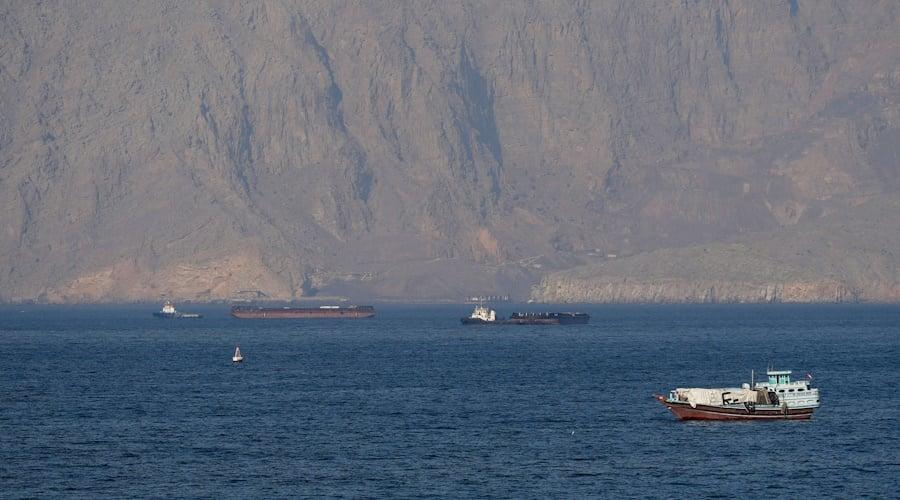
PBS also says the U.S. president floated a plan to reopen the Strait of Hormuz, where “about a fifth of the world's trade in oil and natural gas typically passes,” tying the proposal to the broader maritime dispute.
Reuters, as quoted by SBS Australia, adds that a senior Iranian official said the proposal would “open shipping in the Strait of Hormuz and end the US blockade of Iran while leaving talks on Iran's nuclear program for later.”
The BBC account frames the same moment through Trump’s legal argument, stating that “The hostilities that began on February 28, 2026 have terminated,” while the proposal itself remains under review.
In parallel, the Times of Israel describes Trump saying “They want to make a deal, but I’m not satisfied with it,” and notes that Iran’s proposal is linked to control of the Strait of Hormuz under “competing Iranian and US naval blockades.”
Legal fight and congressional clock
Alongside the diplomacy, the U.S. political and legal dispute over whether Congress must authorize continued hostilities is a central thread.
BBC reports that Trump told Congress the ceasefire meant he did not need their approval for the Iran war, arguing that the ceasefire “paused the clock on any such obligation.”
BBC says the War Powers Resolution requires presidential approval “within sixty calendar days” of notifying lawmakers of military action, and it describes Trump’s letter as asserting he did not have to comply because the ceasefire agreed with Iran “had paused the clock.”
BBC quotes Trump’s letter to congressional leaders on Friday: “There has been no exchange of fire between the United States Forces and Iran since April 7, 2026.”
BBC also includes a direct counterpoint from Georgetown University Law professor Heather Brandon-Smith, who said, “A ceasefire is not a permanent end to the conflict,” and added, “To my mind, a permanent end to the conflict is what would actually sort of close up the 60 days.”
The BBC account describes the conflict’s start as “February 28, 2026,” and it notes that lawmakers faced questions about whether they intended to schedule a vote in each chamber.
Il Sole 24 ORE frames the same dispute through Democrats and the White House’s position, saying Trump wrote to the Speaker of the House, Republican Mike Johnson, explaining that the “hostilities” in Iran are “over” and therefore no authorisation is needed.
Energy markets and blockade pressure
Multiple outlets connect the Iran proposal and the possibility of renewed strikes to the Strait of Hormuz and the economic pressure from the blockade.
PBS says the U.S. president floated a new plan to reopen the Strait of Hormuz, and it ties the strait to global energy flows by noting that “about a fifth of the world's trade in oil and natural gas typically passes.”
Radio Free Europe/Radio Liberty and Arab News both describe the strait’s closure as driving energy disruption, with Arab News stating the closure has caused “unprecedented disruption to energy markets, choking off 20 percent of the world’s oil and gas supplies.”
TRT World adds market detail, saying Brent crude surged “as much as 7.1 percent to above $126 a barrel” after Axios reported Admiral Brad Cooper would brief Trump on new military options.
TRT World also says the U.S. blockade warning sent crude soaring and quotes Trump telling Axios that the blockade was “somewhat more effective than the bombing,” adding that Iran was “choking” and that things would get “worse for them.”
The BBC account notes that the “key shipping channel is still effectively closed - causing economic impacts around the world,” and it ties this to the U.S. Treasury notice warning that paying Iran a “toll” for passage through the Strait of Hormuz could violate sanctions.
In the background of these market pressures, TRT World says the U.S. Central Command reported redirecting “42 commercial vessels” and that “41 tankers carrying 69 million barrels of Iranian oil” were unable to reach buyers.
Competing narratives and next steps
While Trump reviews the proposal, outlets diverge in how they portray the immediate trajectory and the stakes, especially around renewed strikes and the diplomatic process.
Radio Free Europe/Radio Liberty emphasizes Trump’s skepticism and the possibility of restarting strikes, quoting him: “I don't want to say that. I mean, I can’t tell that to a reporter. If they misbehave, if they do something bad, right now we’ll see. But it’s a possibility that could happen.”
The New York Post frames the same moment as a “non-starter,” quoting Trump: “We just had a conversation with Iran, let’s see what happens. But I would say that I am not happy,” and adding that “all options, including further military strikes, are on the table.”
The Times of Israel similarly reports Trump’s dissatisfaction, but it also adds a specific detail about the proposal’s structure as described by the Wall Street Journal.
Arab News highlights the diplomatic bottleneck through Pakistan’s role, saying Pakistan received the proposal late on Thursday and forwarded it to the US, while Trump said, “At this moment I’m not satisfied with what they’re offering.”
The BBC, meanwhile, focuses on the legal and congressional dimension, quoting professor Heather Brandon-Smith that “The courts or Congress, she said, would be the only means to stop the war if the Trump administration continues the conflict.”
Looking beyond the Iran file, PBS also reports that the U.S. warned shipping companies about sanctions for paying Iran to pass safely through the Strait of Hormuz, and it includes a separate but contemporaneous human-rights development involving imprisoned Iranian rights lawyer Narges Mohammadi, whose health was at “very high risk.”
More on USA
Trump Threatens To Take Control Of Cuba With USS Abraham Lincoln After Iran Operations
15 sources compared

Former Employee Drives Explosives-Filled Car Into Multnomah Athletic Club, Kills Driver in Portland
11 sources compared
Trump Triggers Backlash Over Cutting U.S. Troops From Germany, Lawmakers Warn Putin
28 sources compared

Donald Trump Reviews Iran’s 14-Point Peace Proposal as Israel Strikes Southern Lebanon
84 sources compared