
Trump Reviews Iran’s 14-Point Peace Proposal, Questions Whether Tehran Paid Enough Price
Key Takeaways
- Trump will review Iran's 14-point peace proposal but doubts its acceptability.
- Iran submitted a 14-point plan to end the war, seeking security guarantees.
- Trump warned air strikes could resume if Tehran misbehaves.
Trump reviews Iran plan
U.S. President Donald Trump said Saturday that he would review a new Iranian peace proposal but cast doubt over whether it would be acceptable, telling reporters he was “going to review a new Iranian peace proposal” while adding that Tehran had “not yet paid a big enough price.”
“President Trump told Congress this week that hostilities "have terminated”
Trump’s comments came after Iran’s Tasnim and Fars news agencies said Tehran had submitted a 14-point proposal to mediator Pakistan.

The Guardian reported that Trump said, “I’ll let you know about it later,” before boarding Air Force One, and that he would receive “the exact wording now.”
In a separate account, CBS News said Trump told reporters on the tarmac of Palm Beach International Airport, “I haven’t seen it,” and then said, “I’m looking at it up here… I’ll let you know about it later…They told me about the concept of the deal. They’re going to give me the exact wording now.”
Trump also posted on Truth Social that he “can’t imagine that it would be acceptable in that they have not yet paid a big enough price for what they have done to Humanity, and the World, over the last 47 years.”
The proposal, as described by multiple outlets, was framed as a response to a prior U.S. proposal and as a framework for ending the war “on all fronts,” including Lebanon.
What Iran’s 14 points say
Iran’s reported 14-point proposal, delivered to the United States via Pakistan, was described by Iranian-linked media as centering on a permanent end to hostilities and a new framework for the Strait of Hormuz.
The Guardian said two semiofficial Iranian news outlets, Tasnim and Fars, believed close to Iran’s paramilitary Revolutionary Guard, reported that Iran had sent the U.S. a new 14-point proposal via Pakistan.

CNN reported that Iran’s Islamic Revolutionary Guard Corps-affiliated Tasnim news agency said the proposal called for “ending the war on all fronts, including Lebanon,” and that Tasnim said the U.S. proposed a two-month ceasefire while Iran believed “that the issues should be resolved within 30 days.”
The Guardian itself listed elements said to be included: withdrawal of U.S. forces from areas surrounding Iran, lifting the U.S. blockade on the strait of Hormuz, releasing Iran’s frozen assets, payment of compensation, lifting sanctions, and ending the war on all fronts, including Lebanon.
The Guardian also reported that Iranian media said the proposal included “a new control mechanism for the strait of Hormuz.”
TRT World similarly said Iranian media said Tehran had submitted a new 14-point proposal for a permanent end to the war, and that the plan reportedly demanded the withdrawal of U.S. forces, the lifting of sanctions, and compensation for damages.
Diplomacy vs confrontation
Iran’s response to the U.S. posture was presented through statements from Iranian officials and military figures, with the central message that the “ball is in the United States’ court” to choose between diplomacy and confrontation.
France 24 and The Guardian both quoted Iran’s deputy foreign minister Kazem Gharibabadi saying Iran was ready for either further peace talks or war, and that “the ball is in the United States’ court.”
The Guardian added that Gharibabadi told diplomats in Tehran “the ball is in the United States’ court to choose the path of diplomacy or the continuation of a confrontational approach,” and that Iran was “prepared for both paths.”
Gulf News reported that Gharibabadi told diplomats in Tehran “the ball is in the United States' court to choose the path of diplomacy or the continuation of a confrontational approach,” and repeated that Iran was “prepared for both paths.”
Gulf News also cited a senior Iranian military officer, Mohammad Jafar Asadi, saying “a renewed conflict between Iran and the United States is likely,” and adding that “Evidence has shown that the United States is not committed to any promises or agreements.”
Trump’s own statements left room for renewed force, with NDTV quoting him saying, “If they misbehave, if they do something bad, but right now, we'll see. But it's a possibility that could happen, certainly.”
Strait of Hormuz and sanctions
The reported peace framework and the surrounding standoff were repeatedly tied to the Strait of Hormuz, with outlets describing both Iran’s control and U.S. countermeasures.
The Guardian said Iran has maintained a stranglehold on the strait since the war began, choking major flows of oil, gas and fertiliser to the world economy, and that the U.S. responded with a naval blockade of Iranian ports.

The Guardian also reported that oil prices are about 50% above prewar levels and that the U.S. warned shipping companies they could face sanctions for paying Iran to pass safely through the strait of Hormuz.
It further said the U.S. warned against payments to Iran, not only in cash but also in “digital assets, offsets, informal swaps, or other in-kind payments,” including charitable donations and payments at Iranian embassies.
Gulf News added that the vice speaker of Iran's parliament, Ali Nikzad, said that under draft legislation being considered for managing the waterway, 30 percent of tolls collected would go towards military infrastructure, with the rest earmarked for "economic development," and that “Managing the Strait of Hormuz is more important than acquiring nuclear weapons.”
CNN’s reporting on the proposal described “a new mechanism for the Strait of Hormuz,” and TRT World said Iranian media reported the plan demanded a new framework for the crucial Strait of Hormuz.
What happens next
The next phase of the U.S.-Iran standoff, as described across the reporting, hinged on Trump’s review of the proposal and on whether either side would accept a path toward a permanent settlement.
“What to know about the Iran war today: - President Trump told reporters Saturday he is reviewing a new 14-point peace proposal that was submitted by Iran”
Trump said he would soon be reviewing the plan Iran sent, while repeatedly stressing that he could not imagine it being acceptable because, in his view, Iran had not paid “a big enough price” over “the last 47 years.”

The Guardian reported that Trump rejected a previous Iranian proposal this week and that a ceasefire in the war launched by the United States and Israel in late February had been in effect since 8 April, with one failed round of peace talks having taken place in Pakistan.
Gulf News said the war has been on hold since April 8 and cited Mohammad Jafar Asadi’s warning that renewed conflict is likely, while also quoting Gharibabadi that Iran was “prepared for both paths.”
CBS News reported that the White House confirmed Nick Stewart had joined the diplomatic team working to end the war with Iran, describing him as “a sharp, seasoned policy expert who is a valuable asset to Special Envoy Steve Witkoff's talented team.”
At the same time, Trump’s statements kept the possibility of renewed strikes in play, with NDTV quoting him that “If they misbehave… it’s a possibility that could happen, certainly,” and with Gulf News quoting him that “If they misbehave, if they do something bad… But it's a possibility that could happen, certainly.”
More on Iran
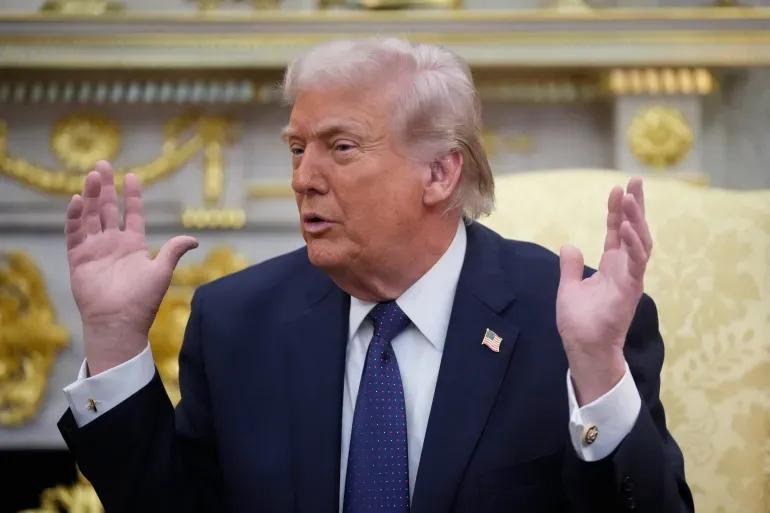
Iran Accuses The United States Of Nuclear Non-Proliferation Treaty Violations, Qatar Urges Hormuz De-Escalation
17 sources compared
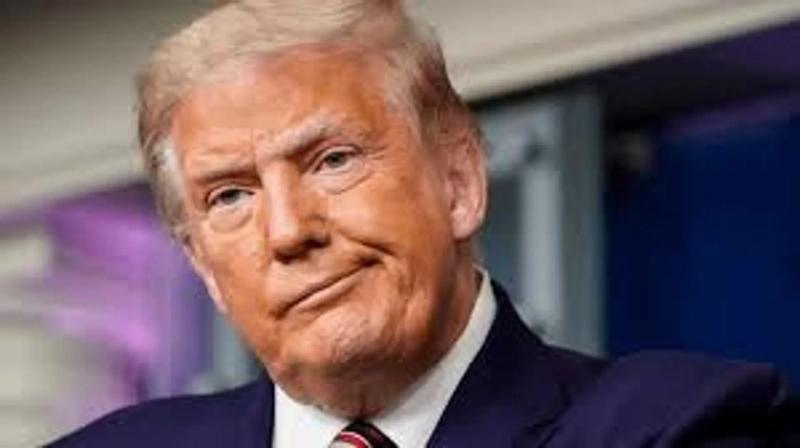
Trump Administration Bypasses Congress, Approves $8.6 Billion Arms Sales to Israel, Qatar, Kuwait, UAE
14 sources compared
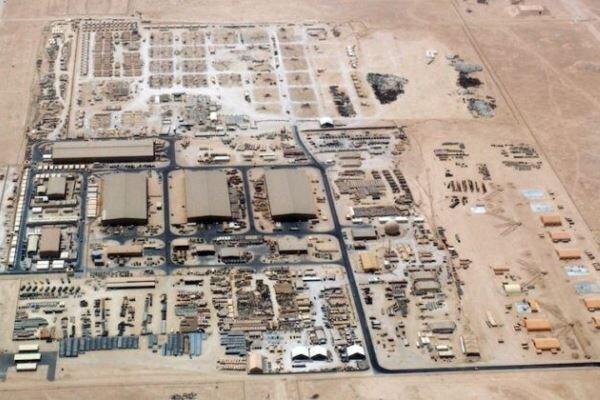
Iran Damaged At Least 16 U.S. Military Sites Across Eight Middle Eastern Countries, CNN Says
10 sources compared
Donald Trump Reviews Iran’s 14-Point Peace Proposal as Israel Strikes Southern Lebanon
84 sources compared