Iran Accuses The United States Of Nuclear Non-Proliferation Treaty Violations, Qatar Urges Hormuz De-Escalation
Key Takeaways
- Iran warns renewed US-Iran hostilities likely after rejecting de-escalation proposals.
- Strait of Hormuz tensions persist, with calls for de-escalation amid potential closure risk.
- Global markets face Gulf war risk-driven volatility and capital flow concerns.
Treaty Accusations and Maritime Pressure
Iran has formally accused the United States of violating the Nuclear Non-Proliferation Treaty (NPT), with Tehran’s mission to the United Nations arguing that nuclear powers have failed to meet disarmament obligations while pointing to long-standing concerns under Articles I and VI of the treaty.
“Billions of meals at risk due to Iran war, says fertiliser boss The interruption to supplies of fertiliser and its key ingredients due to the war in Iran could cost up to 10 billion meals a week globally and will hit poorest countries hardest, according to the boss of one of the world's biggest fertiliser producers”
The Sunday Guardian reports that Iranian officials claim the US continues to maintain “thousands of nuclear warheads” while pressuring other states on compliance, and it describes Washington’s stance as “hypocritical.”

In parallel, the same report says Qatar stepped in diplomatically, urging Iran to follow international law and avoid escalating tensions in the Strait of Hormuz, where Prime Minister Sheikh Mohammed bin Abdulrahman Al-Thani described freedom of navigation as a “non-negotiable principle.”
Doha also stressed that mediation remains the only viable path forward, as the report notes “diplomatic negotiations stalled” and “growing pressure over the Strait of Hormuz.”
The Sunday Guardian adds that US Central Command said “48 vessels have been redirected in the Persian Gulf over the past 20 days” due to enforcement actions linked to Iranian maritime restrictions.
It further states that CENTCOM confirmed the USS New Orleans is operating in the Arabian Sea as part of ongoing naval monitoring operations near Iranian ports, quoting: “USS New Orleans (LPD 18) sails in the Arabian Sea during the US blockade of Iranian ports, April 28. Over the past 20 days, 48 vessels have been redirected to ensure compliance with the blockade.”
The report also says Iran is reportedly considering new maritime restrictions targeting Israeli-linked vessels and states it considers hostile, with a proposed framework allowing passage only under strict conditions or financial penalties.
Trump Rejects Proposal, Iran Says War Likely
Iranian officials and state media framed the latest diplomatic effort as rejected by Washington, warning that renewed conflict is likely even as a ceasefire is described as fragile.
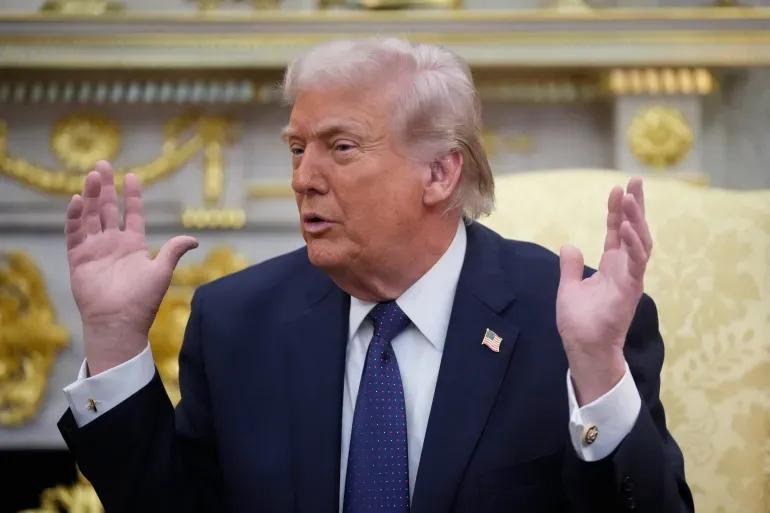
The Daily Pioneer reports that a senior Iranian military official warned that renewed conflict between Iran and the United States is “likely,” after US President Donald Trump rejected Tehran’s latest proposal, and it identifies Mohammad Jafar Asadi as a senior commander within Iran’s central military command.

It says the proposal outlined a phased approach to ending the war, including reopening shipping routes in the Strait of Hormuz and lifting US restrictions on Iranian maritime trade, while deferring negotiations over Iran’s nuclear program to a later stage.
The Daily Pioneer quotes Trump at the White House saying, “They’re asking for things that I can’t agree to,” and it adds that Trump did not specify which aspects were unacceptable.
The Media Line similarly reports that Asadi told Fars news agency that “a renewed conflict between Iran and the United States is likely,” after Trump dismissed a proposal that included reopening the Strait of Hormuz, ending fighting and the naval blockade, and deferring discussions on Iran’s nuclear program.
The Media Line quotes Trump saying, “They want to make a deal,” and “I’m not satisfied with it.”
Caliber.Az and The New Arab both describe Asadi warning that renewed confrontation remains a strong possibility, with Caliber.Az quoting him: “A renewed conflict between Iran and the United States is likely,” and adding that “evidence has also shown that the United States does not adhere to any commitments or agreements.”
Ceasefire Claims and Legal Deadlines
While Iranian officials warned that fighting could resume, US statements and congressional processes were described as creating legal and political uncertainty.
“Economic concerns about the spillovers from the Iran war have focused on the global flow and availability of critical materials”
The Media Line says the White House informed Congress on Friday that fighting with Iran has ended, even as it reports continued exchange of statements suggesting uncertainty about the situation.
It states that on Friday President Trump sent a letter to Congress saying that “The hostilities that began on February 28, 2026, have terminated,” as the War Powers Resolution deadline passed without action.
The Media Line explains that the 1973 law requires congressional approval within 60 days of military engagement, or 90 days with an extension, and it notes that Congress took no enforcement steps as lawmakers left Washington after a failed Democratic effort to force the end of the conflict.
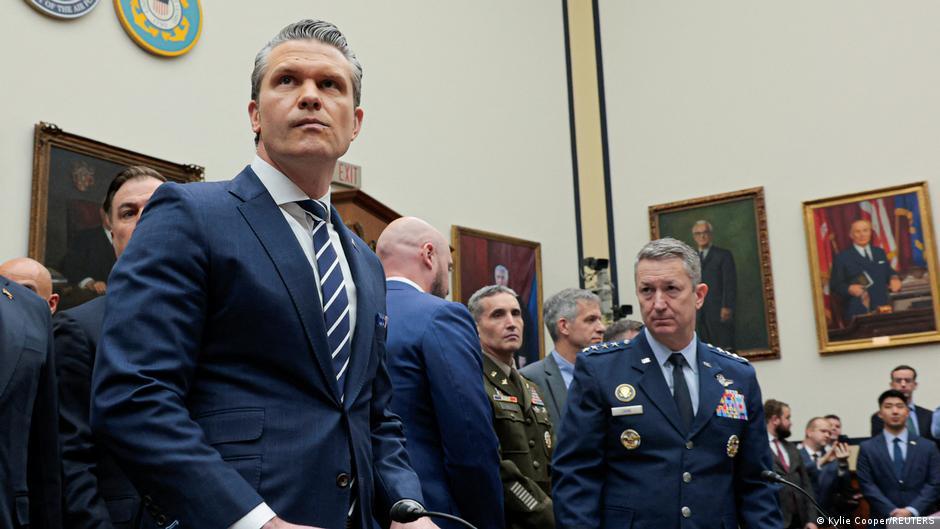
The Media Line also quotes Defense Secretary Pete Hegseth saying, “We are in a ceasefire right now, which our understanding means, the 60-day clock pauses or stops.”
It adds that Trump said, “Every other president considered it totally unconstitutional, and we agree with that.”
In parallel, The Economic Times reports that “There has been no exchange of fire between United States Forces and Iran since April 7, 2026,” quoting Trump in letters to congressional leaders, and it says the hostilities “have terminated.”
Economic Fallout: Food, Fuel, and Dollars
The war and the Strait of Hormuz disruptions were presented across multiple reports as producing economic shocks that extend beyond energy markets into food security and financial flows.
The BBC reports that Svein Tore Holsether, chief executive of Yara, told the BBC that hostilities in the Gulf, which have blocked shipping through the Strait of Hormuz, are jeopardising global food production and could cost up to 10 billion meals a week globally.
Holsether said, “We're up to half a million tons of nitrogen fertiliser not being produced in the world right now because of the situation we are in,” and he warned that not applying nitrogen fertiliser would reduce crop yields for some crops by as much as 50% in the first season.
The BBC also quotes Holsether warning about a “bidding war for food” and says the price of fertiliser has soared by 80% since the beginning of the US and Israel's war on Iran.
In the same BBC report, Professor Paul Teng said some countries might have enough fertiliser for the immediate planting season “but if the crisis drags on any longer, we will be seeing impact on crops such as rice in the coming months”.
The Sunday Guardian described pressure on global supply chains and energy markets, saying officials have warned that traffic through the Strait of Hormuz may not return to pre-conflict levels and that Washington cautioned global shipping companies against paying transit fees to Iran.
Separately, the Council on Foreign Relations report describes a “disappearing Gulf Capital” risk, saying GCC economies host “some of the world’s largest SWFs,” with around a dozen sovereign funds managing “somewhere between $4–$6 trillion in assets.”
Strategic Stakes: Stockpiles and Regional Planning
Beyond immediate diplomacy and economics, the sources describe strategic stakes for US military readiness and for how Israel may plan if the United States changes its posture.
“What you need to know: The US-Israel war against the Islamic Republic of Iran began on Saturday, 9 Esfand 1404”
The East Asian-language report from Al-Sharq Al-Akhbar says US officials estimate Washington may not be able to fully implement emergency plans to defend Taiwan in the event of a near-term Chinese invasion, attributing the concern to ammunition consumption in the war with Iran.

It states that officials said the United States has fired more than 1,000 long-range Tomahawk missiles since the start of the war with Iran on February 28, along with between 1,500 and 2,000 air-defense missiles, including THAAD, Patriot, and Standard interceptors.
The report says fully replenishing these stockpiles could take up to six years, and it describes internal debates within the administration about adjusting operational plans for Taiwan.
It also includes competing views, quoting Admiral Samuel Paparo as testifying: ‘Right now, I do not see any real cost being imposed on our ability to deter China.’
In parallel, Al Jazeera Net reports that Israel is preparing to rearrange its military plans to confront the possibility that the United States may withdraw from the war against Iran, while preserving its ability to make military decisions independently.
It quotes Israeli affairs expert Nahad Abu Ghosh saying Tel Aviv will adhere to the American decision on the Iranian front, while granting itself a wide margin on the Lebanese front to take independent steps in air and offensive operations, “'whatever the outcome of the war in Iran.'”
More on Iran

Trump Administration Bypasses Congress, Approves $8.6 Billion Arms Sales to Israel, Qatar, Kuwait, UAE
14 sources compared
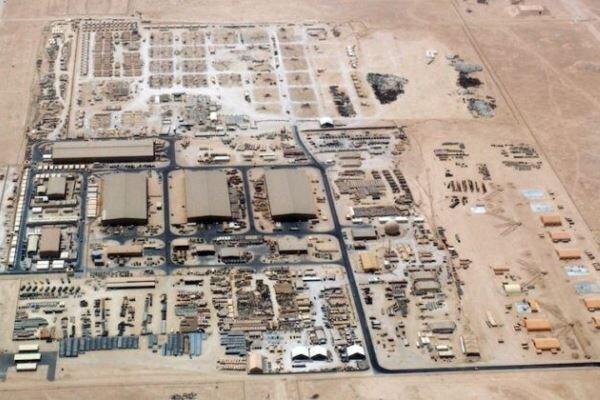
Iran Damaged At Least 16 U.S. Military Sites Across Eight Middle Eastern Countries, CNN Says
10 sources compared
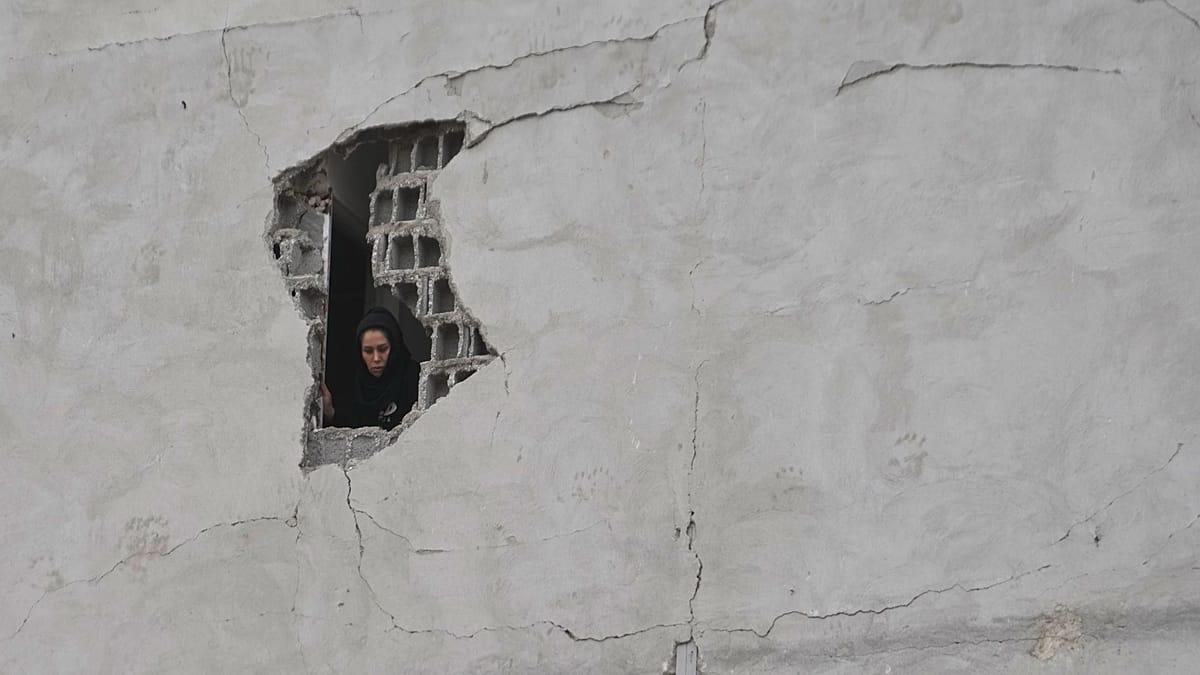
Iran Submits 14-Point Response to U.S. Proposal to End War After Feb. 28 Attacks
60 sources compared
Iran Sends Seyed Abbas Araghchi to Pakistan, Oman, and Russia to Strengthen Deterrence
11 sources compared