Iran Sends Seyed Abbas Araghchi to Pakistan, Oman, and Russia to Strengthen Deterrence
Key Takeaways
- Iran fuses diplomacy with deterrence to deter potential U.S. and Israeli attacks.
- Iran supports diplomatic efforts to de-escalate tensions and ensure regional stability.
- Iran seeks to redefine regional-global power balance and advance its regional role.
Diplomacy Meets Deterrence
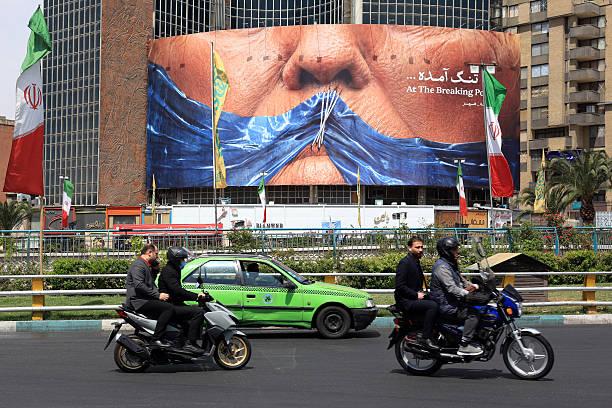
Iran’s approach to the United States and Israel in the current stalemate is being framed in Tehran as a “fusion of active diplomacy and strengthened deterrence,” with IRNA describing the Islamic Republic as seeking to “redefine the balance of power” while “reducing the impact of external pressure.”
“Iranian Deputy Foreign Minister for Legal and International Affairs, Kazem Gharibabadi, briefed resident ambassadors in Tehran on Saturday on the Islamic Republic’s latest proposal to end what it described as the war and aggression launched by the United States and “Israel” against Iran”
IRNA, citing an analytical note from Yemen’s Al-Masirah network, says Iran’s diplomatic moves include visits by Seyed Abbas Araghchi to Pakistan, Oman, and Russia, with the trips aimed at creating “new channels of dialogue” and strengthening “bilateral and multilateral cooperation.”
In Islamabad, IRNA says Araghchi met “senior political and military officials of Pakistan,” where proposals were discussed to reduce tensions and resolve regional crises, including “issues related to the Lebanon front and other hotspots.”
IRNA also says the Oman stop was important because Oman is described as “a key communication channel between Tehran and Washington,” and that security of the Strait of Hormuz was addressed.
Iranian officials, IRNA reports, emphasized the need for an “independent regional security system free from external meddling” and stated that “regional security must be provided by regional countries themselves.”
The same IRNA report says Araghchi then traveled to Moscow to meet Russian officials to discuss “expanding strategic cooperation” and “regional and international developments,” describing Tehran–Moscow relations as having expanded “especially in political, economic, and security spheres.”
IRNA further states that Iranian officials treat the Strait of Hormuz as a “red line of security” and say “any threat to it will be met with a decisive response,” presenting this as a signal of Iran’s role in defining deterrence norms.
War Logic and Nuclear Fear
A different strand of coverage, attributed to The Guardian by الجزيرة نت, argues that the United States and Israel’s war against Iran could push Tehran toward nuclear weapons rather than prevent proliferation.
The piece says The Guardian’s foreign affairs columnist Simon Tisdall wrote that “the war makes Iran convinced that nuclear deterrence is its only guarantee of survival.”
It also criticizes the Trump administration’s justification for launching the war, quoting Tisdall’s contention that it is “a defective justification because 'Iran does not possess nuclear weapons, while the United States and Israel do.'”
The article says Tisdall argued that “with every bomb dropped, every ship seized, and every terrifying threat of annihilation,” Iran’s incentive to reject diplomacy and seek nuclear weapons “grows.”
It further claims the United States and Israel attacked Iran “twice (in June 2025 and in February 2026) without warning,” including “in the midst of diplomatic negotiations, which shattered trust in any future settlement.”
The Guardian assessment, as presented by الجزيرة نت, also says Tisdall warned that Trump’s strategy aimed at “erasing” the Iranian nuclear program by force cannot easily destroy “scientific knowledge.”
Finally, the article frames the stakes beyond Iran by warning that if Tehran pursues the bomb, regional powers such as Saudi Arabia, Egypt, and Turkey “may follow,” and that the world could return to a “Cold War nightmare of mutually assured destruction.”
Qatar’s Halt and Tehran’s Mistrust
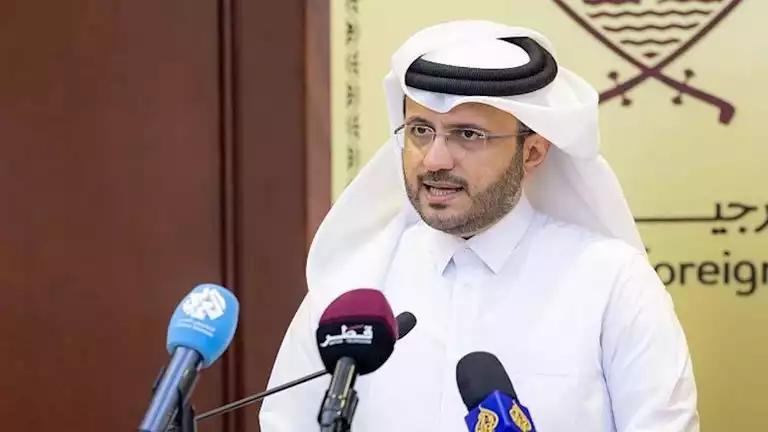
Qatar’s position in the Iran crisis is presented by Masrawy through the statements of Majed bin Mohammed Al-Ansari, who says Doha has reaffirmed “full support for all diplomatic efforts aimed at de-escalating military tensions and ensuring regional stability.”
“Etemad newspaper wrote: Based on the latest estimates by the International Crisis Group for spring, Iran and the United States are moving out of the 'no war, no peace' state and into a 'uncontrollable friction' state”
During a press briefing, Al-Ansari stresses that “diplomacy remains the best option for addressing regional crises,” and he calls the negotiating table “the natural place to resolve disputes.”
Masrawy reports that Al-Ansari said Qatar regards any attack on its territory as “a direct violation of its sovereignty,” and that the priority is to “fend off daily attacks before talking about mediation.”
In a specific claim about Iran–Qatar contact, Al-Ansari says the “only official contact between Doha and Tehran since the start of the war was limited to a phone call” between Mohammed bin Abdulrahman bin Jassim Al Thani and Abbas Araghchi.
Masrawy also says Al-Ansari described Iranian promises not to attack Arab states as not translating into “tangible reality,” citing attacks followed by “similar assaults on the UAE and Bahrain.”
Al-Ansari further says Qatar’s armed forces continue to repel “daily Iranian attacks with high efficiency,” and that Qatar halted oil production at some facilities as “a precautionary step for the first time in its history.”
He warns that targeting energy facilities or disrupting maritime navigation is “a dangerous precedent with effects extending to world markets,” and he adds that targeting water facilities, desalination plants, and “warehouses of food and medicine” poses “a grave danger to civilian life.”
Negotiations in Muscat and Geneva II
Middle East News, as carried by ميدل ایست نیوز, says attention is focused on “Geneva II,” described as the venue for the “second round of negotiations between Iran and the United States” after a first round “held on February 6 in Muscat,” with Oman mediating.
The report says the negotiations are expected to be held “today,” and it links the talks to “ongoing regional tensions” and “continued reciprocal threats” with a possibility of escalation into military conflict.

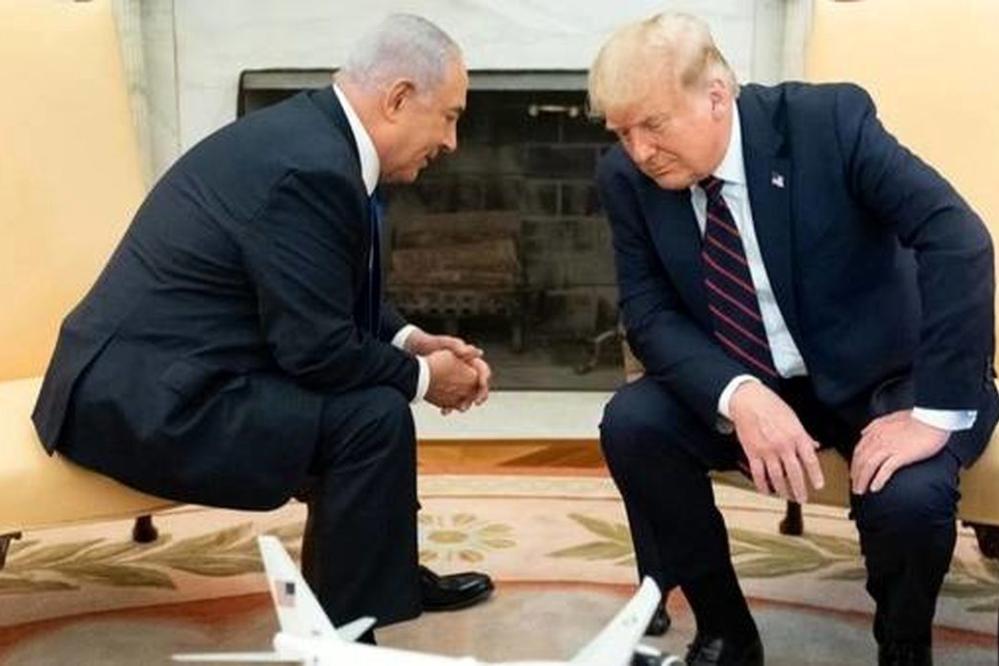
It adds that the rising tensions follow Israeli Prime Minister Benjamin Netanyahu’s trip to Washington, and it says former U.S. President Donald Trump wants a deal while warning that its alternative could mean “bad things.”
The report says the formal framework has not been announced, but that statements attributed to Marco Rubio indicate Washington is trying to include on the agenda “not only the nuclear file but also the ballistic missile program, Iran's regional influence, and how the regime engages with the country's internal affairs.”
By contrast, it says Iran’s foreign minister Seyed Abbas Araghchi reiterates opposition to including the missile program and emphasizes Tehran is ready to return to the nuclear path “from an equal footing.”
The report also says the previous round mediated by Oman “not only failed to deliver decisive progress,” and it states that “in June 2025, just before the planned sixth round and amid signs that any new failure could set the stage for more dangerous scenarios, war broke out between Iran and Israel.”
It then describes Iran’s approach as focusing on “intensifying political contacts” and expanding “its circle of climate diplomacy,” while warning that any U.S. attack could lead to regional war.
Options, Bridges, and Readiness
As escalation talk grows, جريدة الرياض describes a scenario in which the United States and Israel target bridges in Iran “in preparation for a ground military operation,” and it ties the pressure to a deadline from U.S. President Donald Trump “to strike the Strait of Hormuz” that it says is “draws near.”
“Today the Middle East seems on the brink of a decisive moment, where major interests intersect with regional tensions, where military calculations mingle with careful diplomacy, and where the strategies of international powers intertwine with the policies of regional players”
The report says an official told it that the United States targeted “more than 50 targets on Kharg Island off Iran's southern coast,” describing Kharg Island as “a major hub for Iranian oil exports,” and it adds that the strikes were carried out “at dawn today, Eastern Time.”

It also says the strikes “did not target oil infrastructure,” and it quotes the report’s framing that “latest in Trump’s remarks that the entire Iranian civilization would die” signals a “shift to a more sensitive phase.”
The same account says military experts “do not rule out a heavy ground operation against Tehran,” while noting that Washington has “routinely favored precise air strikes and naval deployments.”
It quotes international relations expert Dr. Mohammed Shukreed as explaining that talk of a ground operation comes within a “pressure strategy” aimed at pushing Tehran to accept an agreement or a truce, while preserving Washington’s “prestige.”
Dr. Shukreed also says a broad ground intervention would require “massing large numbers of troops, as in the Iraq invasion,” and he adds that he does not rule out limited ground operations by special forces “commandos.”
In parallel, Al-Manar TV Lebanon reports that Iran’s Deputy Foreign Minister for Legal and International Affairs Kazem Gharibabadi briefed resident ambassadors in Tehran and said Iran maintains “full and decisive readiness to deter any attack on its territory and people.”
More on Iran
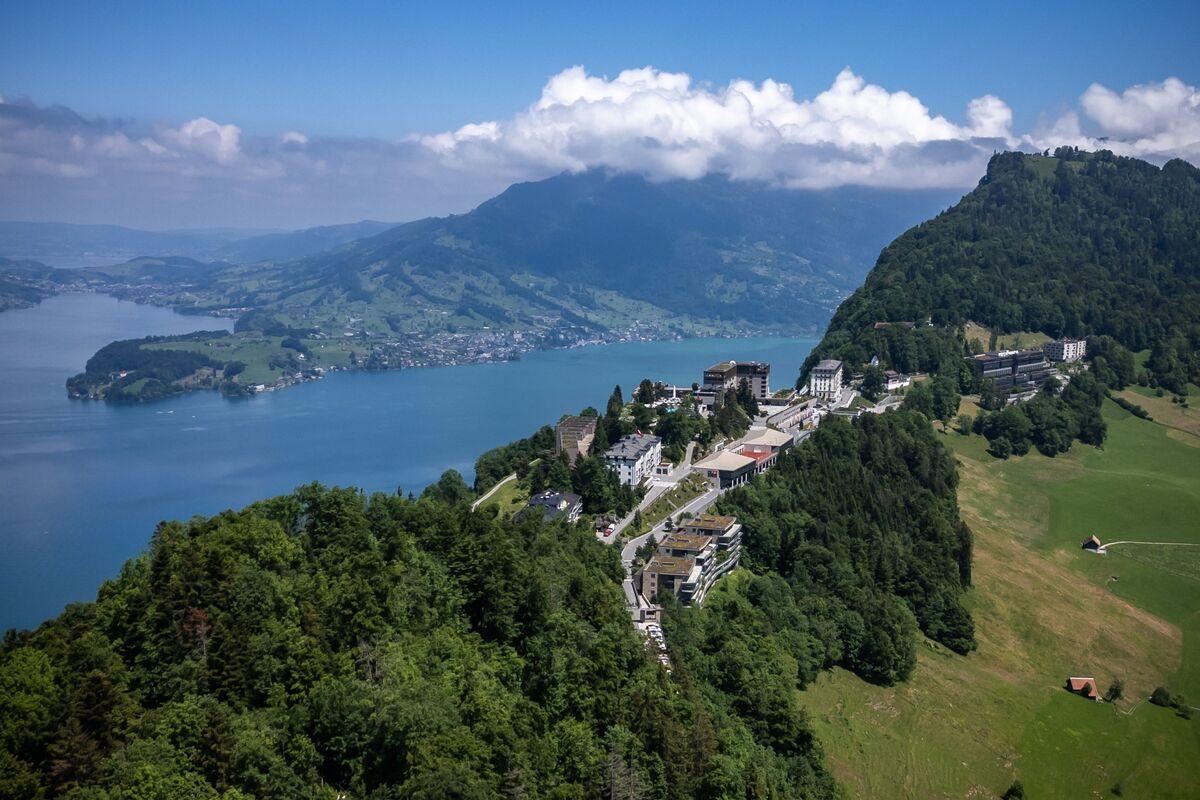
Switzerland Facilitates US-Iran Memorandum Signing At Burgenstock Resort On Friday
15 sources compared

Abbas Araghchi Says U.S.-Iran Deal Requires Israel Withdraw From Lebanon
11 sources compared

Purported U.S.-Iran Memorandum Of Understanding Circulates, Including Lebanon War End And Strait Reopening
12 sources compared

JD Vance Says Trump Could Give Iran Access To $300 Billion Reconstruction Fund
23 sources compared