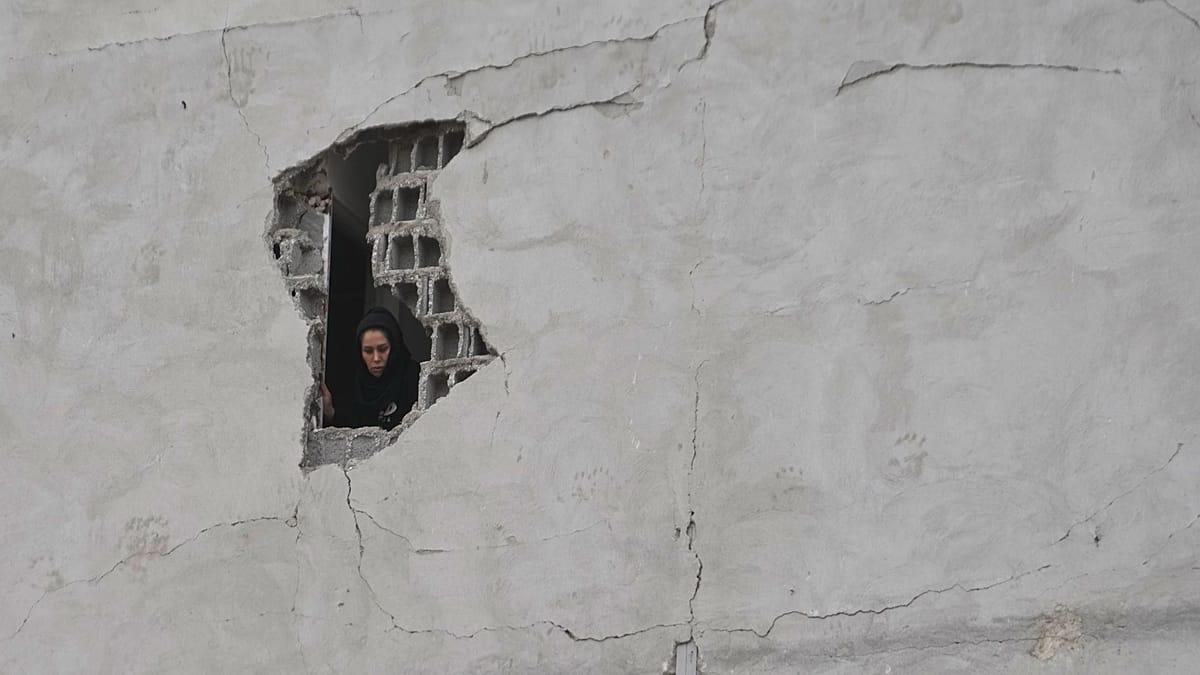
Donald Trump Reviews Iran’s 14-Point Peace Proposal After Pakistan Delivery
Key Takeaways
- Trump reviewing Iran's 14-point peace proposal and says he's not satisfied.
- Iran's proposal calls for reopening the Strait of Hormuz and lifting the blockade.
- Nuclear talks would be postponed or deprioritized relative to the war-ending deal.
A new proposal, a stalled war
President Donald Trump said Saturday that he is reviewing a new 14-point peace proposal submitted by Iran, as Iranian state media reported Tehran delivered the plan to the United States.
“United States President Donald Trump has voiced frustration with Iran’s latest peace proposal, saying “they’re asking for things I can’t agree to”, and cautioning against ending the conflict too early, only for tensions to resurface “in three more years””
CBS News reported that Trump told reporters on the tarmac of Palm Beach International Airport, “I haven’t seen it,” and then added, “I’m looking at it up here,” before saying, “They’re going to give me the exact wording now.”

CNN similarly reported that Trump said he will soon review the plan but “can’t imagine that it would be acceptable,” after Tasnim reported Iran submitted a 14-point proposal in response to a nine-point U.S. proposal.
NewsNation framed Trump’s position as doubt that the proposal would “pass muster,” quoting his Truth Social post: “I will soon be reviewing the plan that Iran has just sent to us, but can’t imagine that it would be acceptable.”
Reuters reported that Trump said he was dissatisfied with the proposal as rifts with allies deepened, while The Guardian described Trump telling reporters, “Right now, we have talks going on, they’re not getting there,” and that his options remained “either blast them away or make a deal.”
The diplomatic channel runs through Pakistan in multiple accounts: CNN said Iran’s proposal was submitted through a Pakistani intermediary, and PBS and The Guardian both described Iran sending the proposal via Pakistan to reach Washington.
The same reporting also tied the proposal to a broader effort to end hostilities “on all fronts, including Lebanon,” with CNN citing Tasnim’s claim that Iran’s response calls for that end-state.
What Iran’s plan asks for
Multiple outlets described what Iran’s reported proposal would change, even as Trump signaled he could not accept it.
CNN reported that Tasnim said Iran’s response calls for “ending the war on all fronts, including Lebanon,” and that it also addresses guarantees against military aggression and the withdrawal of U.S. military forces from the region surrounding Iran.
CNN further said Tasnim reported the U.S. proposed a two-month ceasefire, but that Iran believes “that the issues should be resolved within 30 days” and that negotiations should focus on the “termination of the war” rather than extending a ceasefire.
NewsNation added that a major sticking point is the Trump administration’s insistence that Tehran abandon its nuclear ambitions, while U.S. officials want the Strait of Hormuz opened to oil tanker traffic as soon as possible.
PBS and Arabian Business both described the Strait of Hormuz as central to the latest proposals: PBS said Trump has floated a new plan to reopen the Strait of Hormuz, and Arabian Business reported that an Iranian proposal so far rejected by Trump would open shipping in the Strait of Hormuz and end the U.S. blockade while leaving nuclear talks for later.
Arabian Business also quoted a senior Iranian official saying the framework would end the war with a guarantee that Israel and the United States would not attack again, and that Iran would open the strait while the United States would lift its blockade.
The Guardian described the submission to Pakistan as part of a wider diplomatic effort, and it also reported that the U.S. Treasury Office warned that any shipping companies that paid tolls to Iran for passage through the strait—including “charitable donations to organisations such as the Iranian Red Crescent Society”—would risk punitive sanctions.
Trump’s leverage and US pressure
While Trump said he is reviewing Iran’s proposal, the reporting also showed the administration continuing pressure through arms sales, naval posture, and legal arguments about war powers.
CNN reported that the U.S. fast-tracked “$8 billion” in arms sales to Middle East allies while Trump said he would soon review the plan from Iran.
NewsNation described the legal backdrop, saying it has been 60 days since the Trump administration notified Congress of U.S. military operations involving Iran and that under federal law presidents must seek congressional authorization to continue military action beyond that period.
It also said Trump sent a letter to Congress arguing the 60-day clock was paused after the ceasefire began April 7, and that “Some Democrats and Republicans have raised concerns about that interpretation.”
PBS reported that the U.S. has warned shipping companies they could face sanctions for paying Iran to pass safely through the Strait of Hormuz, and it said the U.S. Central Command on Saturday said “48 commercial ships have been told to turn back.”
The Guardian similarly reported the U.S. Treasury Office warning about toll payments through the strait, and it tied the warning to the idea that Tehran proposed charging fees on vessels passing through the strait.
CNBC added a market angle, saying oil prices fell after Iran sent an updated peace proposal to mediators in Pakistan, and it quoted Trump again: “Iran wants to make a deal, but I’m not satisfied with it.”
Voices from Iran and diplomacy
Iranian officials and intermediaries described their own aims for the negotiations, while Trump continued to question the proposal’s acceptability.
CNN quoted Iran’s deputy foreign minister, Kazem Gharibabadi, saying Iran’s proposal was “aimed at the permanent end” of the war, and it added that “Now the ball is in the United States’ court to choose either the path of diplomacy or continuation of a confrontational approach.”

Axios reported that Iranian Foreign Minister Abbas Araghchi said in a phone call with counterparts from Turkey, Egypt and Qatar that Iran is ready to pursue diplomacy “if the excessive demands, threatening rhetoric, and provocative actions of the American side change,” per Tehran’s readout.
The Guardian described Pakistan’s role as the primary conduit for negotiation and quoted Tahir Andrabi, the spokesperson for Pakistan’s foreign ministry, saying, “The clock on diplomacy has not stopped,” before the reports of the new Iranian proposal.
It also quoted Masood Khan, Pakistan’s former ambassador to the US, saying Pakistan was “not only transmitting messages between the two sides,” and that Islamabad’s intervention had led to an initial two-week ceasefire and a US-Iran meeting with Pakistani officials as referees.
Reuters and The Guardian both described how the diplomatic process had hardened positions after high-level engagement in Islamabad in April, with The Guardian saying the April all-night negotiation session was the “highest-level engagement between the two sides since the 1979 revolution.”
CBS News added a separate diplomatic development in Washington, confirming that Nick Stewart joined the diplomatic team working to end the war with Iran, and it quoted the White House spokeswoman Olivia Wales saying, “Nick Stewart is a sharp, seasoned policy expert who is a valuable asset to Special Envoy Steve Witkoff's talented team.”
Human stakes and what comes next
Beyond the diplomatic standoff, the reporting also highlighted human and legal stakes inside Iran and the consequences for regional security.
“An Iranian proposal so far rejected by US President Donald Trump would open shipping in the Strait of Hormuz and end the US blockade ofIranwhile leaving talks on Iran’s nuclear program for later, a senior Iranian official said on Saturday”
PBS reported that the health of imprisoned Iranian rights lawyer Narges Mohammadi was at “very high risk,” with her foundation and family saying Iran’s Intelligence Ministry was opposing her transfer to Tehran for treatment by her own doctors.

It said Mohammadi, a Nobel Peace Prize laureate in her early 50s, was urgently transferred to a hospital in Zanjan in Iran’s northwest on Friday after a cardiac crisis and fainting, and that her Paris-based husband, Taghi Rahmani, said the Intelligence Ministry opposed the transfer for angiography.
PBS also quoted the Norwegian Nobel Committee’s statement urging Iranian authorities to immediately transfer Mohammadi to her medical team, saying, “She has the mental resilience for imprisonment, but her body does not have the readiness. The Ministry of Intelligence wouldn't even mind if (she) died.”
The same PBS report described the legal sentence Mohammadi was serving, saying that before her arrest on Dec. 12 she had been serving a sentence of 13 years and nine months on charges of collusion against state security and propaganda against Iran's government.
It also said the U.S. naval blockade of Iranian ports deprived Tehran of oil revenue it needs to shore up its ailing economy, and that the U.S. Central Command on Saturday said “48 commercial ships have been told to turn back.”
Looking ahead, NewsNation said Trump is considering options including additional military strikes on Iran that would end the cease-fire, while The Guardian described Trump’s options as “either blast them away or make a deal,” and Axios reported that CENTCOM commander Adm. Brad Cooper and Joint Chiefs Chairman Gen. Dan Caine briefed Trump and his team on new plans for possible military action against Iran.
More on Iran
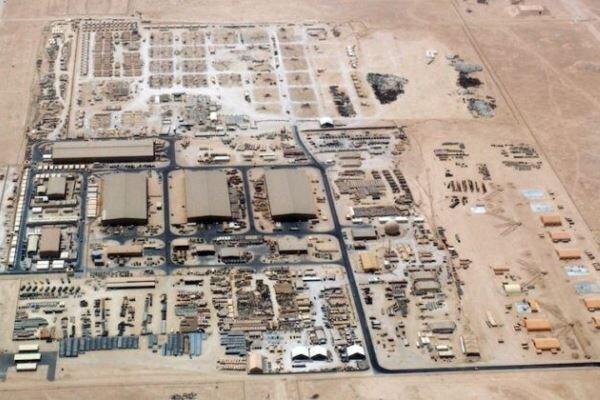
Iran Damaged At Least 16 U.S. Military Sites Across Eight Middle Eastern Countries, CNN Says
10 sources compared
Iran Sends Seyed Abbas Araghchi to Pakistan, Oman, and Russia to Strengthen Deterrence
11 sources compared
Iran Delivers New Draft to Pakistan as Mohammad Jafar Asadi Says US War Likely Restart
12 sources compared
Trump Says Iran Hostilities Have Terminated as Germany Anticipates 5,000 Troop Withdrawal
21 sources compared