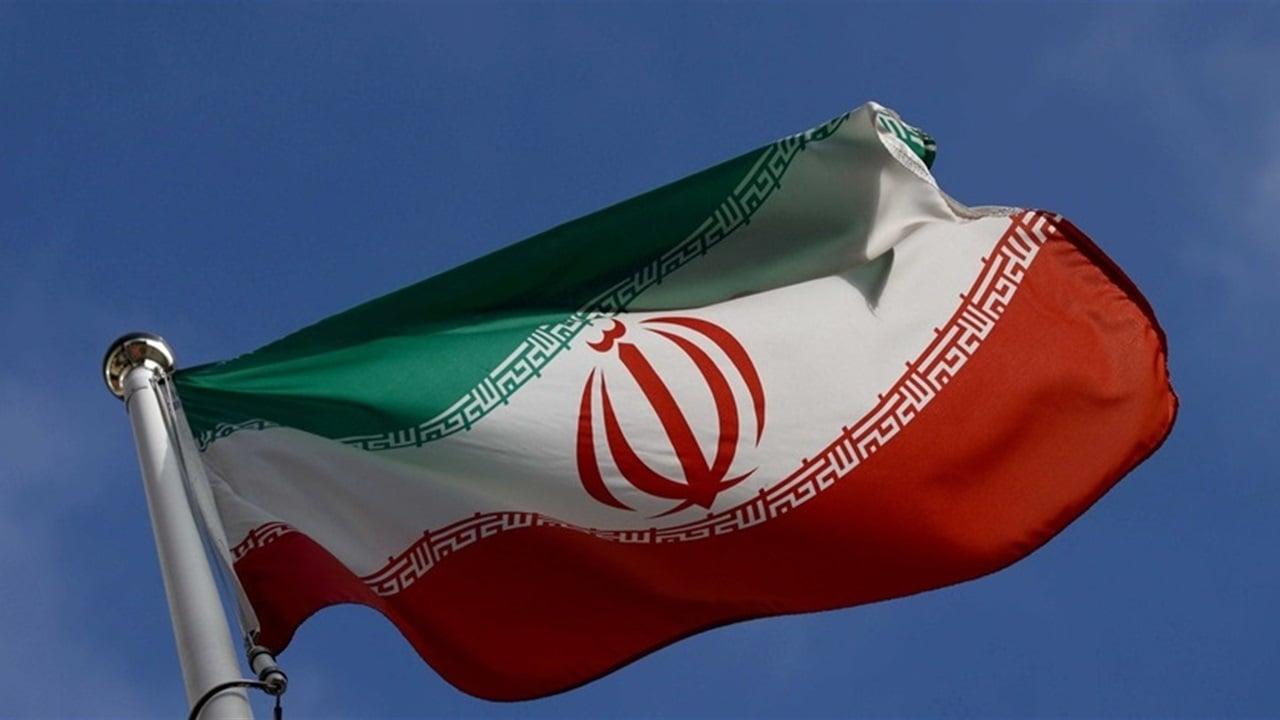
Iran Delivers New Draft to Pakistan as Mohammad Jafar Asadi Says US War Likely Restart
Key Takeaways
- Iran delivered a new draft to mediator Pakistan Thursday evening; contents undisclosed.
- Senior Iranian military officer says renewed US war likely after Trump's dissatisfaction with proposal.
- War launched by US and Israel in late February; talks in Pakistan failed.
Draft proposal and war talk
Iran delivered a new draft to mediator Pakistan on Thursday evening, state media reported, without detailing its contents, as the US-Israeli war launched in late February remained on hold since April 8.
“ANI |Updated:May 03, 2026 02:43IST New York [US], May 3 (ANI): Iran's mission to the United Nations in New York on Saturday (local time) sharply criticised the United States over nuclear weapons policy, accusing Washington of "hypocritical behaviour" and "non-compliance" of its obligations under the Nuclear Non-Proliferation Treaty (NPT)”
In Washington, President Donald Trump told reporters, “At this moment I’m not satisfied with what they’re offering,” and blamed stalled talks on “tremendous discord” within Iran’s leadership.

Trump said he faced a choice between whether to “just blast the hell out of them” or to “try and make a deal”, adding he would rather not take the first option.
On Saturday morning, Mohammad Jafar Asadi, a senior figure in the Iranian military’s central command, told Iran’s Fars news agency that “a renewed conflict between Iran and the US is likely,” saying, “Evidence has shown that the US is not committed to any promises or agreements.”
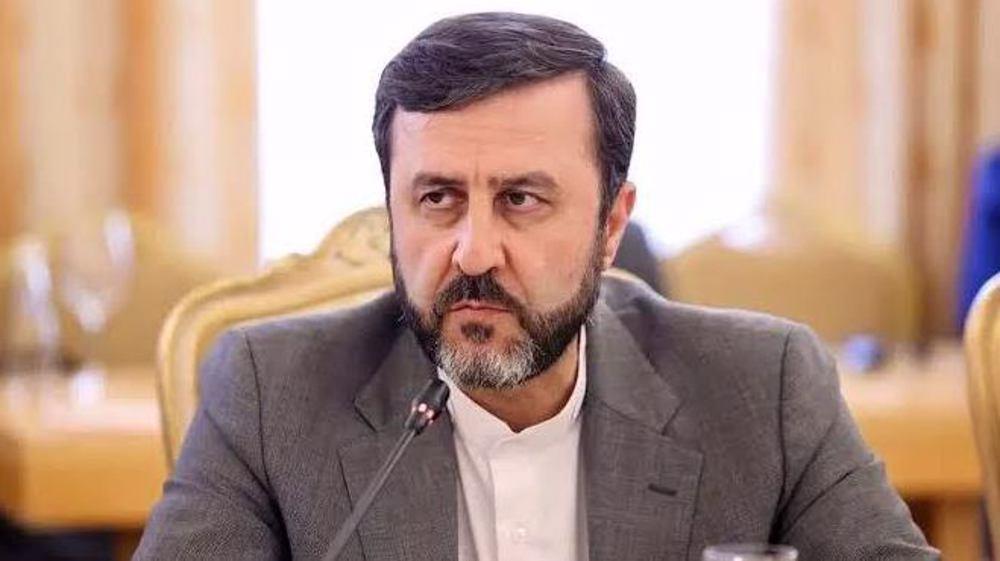
Deputy foreign minister Kazem Gharibabadi told diplomats in Tehran that “the ball is in the US court to choose the path of diplomacy or the continuation of a confrontational approach,” and said Iran was “prepared for both paths.”
Iran’s judiciary chief Gholamhossein Mohseni Ejei said on Friday that his country had “never shied away from negotiations” but would not accept the “imposition” of peace terms.
The White House declined to provide details on the latest Iranian proposal, while news site Axios reported that US envoy Steve Witkoff had submitted amendments to a previous one putting Tehran’s nuclear programme back on the negotiating table.
Nuclear dispute at the UN
Iran’s UN mission in New York sharply criticised the United States over nuclear weapons policy, accusing Washington of “hypocritical behaviour” and “non-compliance” of its obligations under the Nuclear Non-Proliferation Treaty (NPT).
In a post on X, the Iranian mission said, “Extremely Shameful! For 56 years, the US--possessor of thousands of nuclear warheads and the No. 1 proliferator of such weapons--has been in clear non-compliance with its nuclear non-proliferation and nuclear disarmament obligations under Articles I and VI of the NPT.”
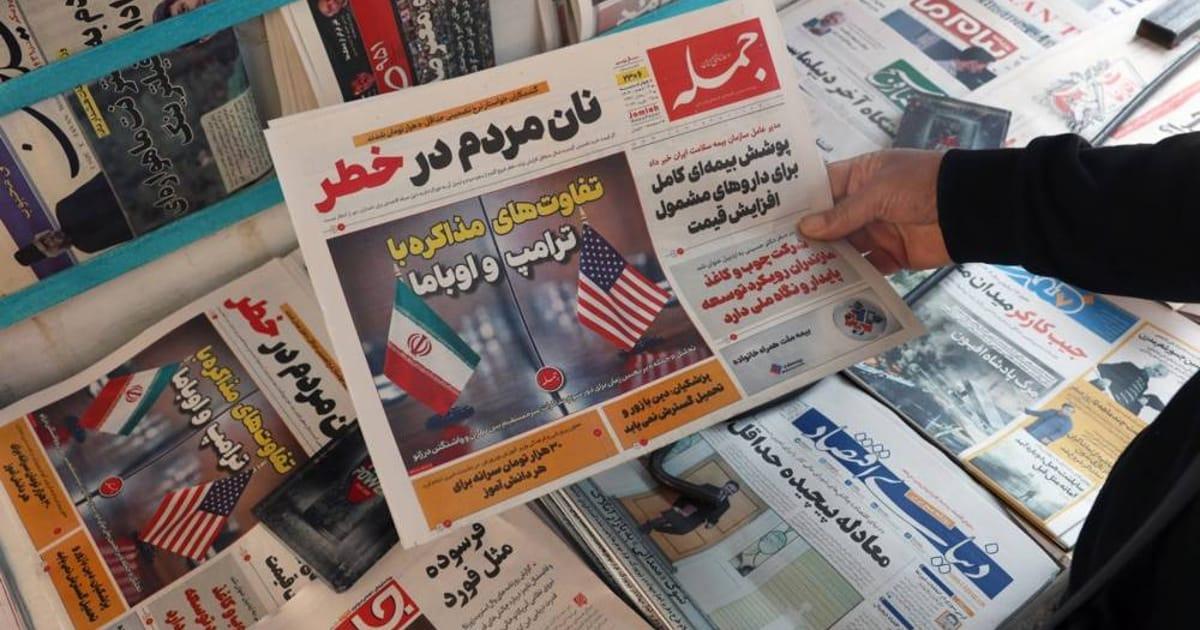
The mission added, “The US should not be given any cover for its outrageous and hypocritical behaviour.”
It also defended Iran’s uranium enrichment activities, insisting, “Legally, there is no restriction on the level of uranium enrichment, so long as it is conducted under the IAEA's supervision, as was the case with Iran.”
The same line was repeated in other reports, with TRT World quoting the mission’s statement that “Legally, there is no restriction on the level of uranium enrichment, so long as it is conducted under the IAEA’s (International Atomic Energy Agency) supervision.”
The Iranian mission’s position was framed against the NPT’s structure, with ANI describing that non-nuclear-weapon States parties committed not to manufacture or otherwise acquire nuclear weapons, while nuclear-weapon States parties committed not to assist such efforts.
While Iran’s mission attacked US nuclear policy, it also said its latest proposal aimed at advancing negotiations to end the ongoing West Asia conflict with the US, with Axios reporting that US Special Envoy Steve Witkoff sent amendments focused on reintroducing the nuclear issue into the draft framework.
Enrichment timelines and conditions
Reports on the negotiations described competing enrichment timelines and conditions, with Washington seeking a long suspension and Tehran proposing a shorter one.
“TEHRAN, May 02 (MNA) – Iran’s Permanent Mission to the United Nations has stated that there is no limitation on the level of uranium enrichment from a legal standpoint”
PressTV and other coverage said Iran submitted its plan to Pakistan as mediator, with Deputy Foreign Minister Kazem Gharibabadi telling ambassadors in Tehran that “the ball is in the US court to choose between a diplomatic solution or a continuation of the confrontational approach.”
In parallel, the PressTV account described Iran’s distrust of Washington’s track record in previous rounds, while also saying Iran was “fully and resolutely prepared to repel any renewed act of aggression.”
In the enrichment dispute, AFP-linked reporting via صحيفة الخليج said Washington asked Tehran to agree not to enrich uranium for 20 years, and that the 20-year enrichment halt would be paired with a relaxation of sanctions, according to The Wall Street Journal.
That same report contrasted the Iranian proposal, saying Iran proposed suspending its nuclear activities for five years, according to The New York Times.
Another report described that the announced proposals were softened versions of Trump’s previous demands that Iran permanently abandon its nuclear ambitions, and it noted Trump withdrew in 2018 from a deal that lifted sanctions in exchange for guarantees Tehran would not manufacture a nuclear bomb.
The enrichment issue was also tied to the Strait of Hormuz, with the same AFP-linked report saying the sticking points included the opening of the Strait of Hormuz and Iran’s nuclear program.
Strait of Hormuz and oil pressure
The negotiations and the wider conflict were repeatedly linked to the Strait of Hormuz, which Iran has maintained closed since the war began and which multiple reports described as central to both economic pressure and any prospective deal.
Free Malaysia Today said Iran has maintained a stranglehold on the strait since the war began, choking off major flows of oil, gas and fertiliser to the world economy, while the US imposed a counter-blockade on Iranian ports.

It added that news of the new Iranian proposal had briefly pushed oil prices down nearly 5%, though they remained about 50% above pre-war levels amid the ongoing closure of the Strait of Hormuz.
The same report quoted Trump at a rally on Friday saying “we’re like pirates” as he described an earlier helicopter raid on an oil tanker under the blockade.
The vice speaker of Iran’s parliament, Ali Nikzad, said Iran would not “relinquish our rights in the Strait of Hormuz, and the movement of vessels in the Strait of Hormuz will not be the same as before,” and he said that under legislation before parliament for managing the waterway, 30% of tolls collected would go towards military infrastructure, with the rest earmarked for “economic development.”
In a separate account, PressTV said earlier reports suggested Iran had submitted a plan containing its conditions for negotiating a deal that could allow the reopening of the Strait of Hormuz in the Persian Gulf, which Iran has closed since the early days of the war of aggression.
The economic toll inside Iran was described by a Tehran resident, Amir, who told an AFP reporter based outside the country that inflation had surged past 50% and that “Everyone is trying to endure it, but… they are falling apart,” adding, “When they run out, things will change.”
Ceasefire claims and next risks
While the Gulf conflict was described as paused, multiple reports said fighting continued elsewhere, and lawmakers and officials disputed whether the war had formally ended.
“Iran says it has submitted a comprehensive proposal to bring about a permanent end to the US-Israeli aggression against the country, insisting that it is now up to the United States to decide whether it wants a deal or confrontation”
Free Malaysia Today said “There has been no exchange of fire between US Forces and Iran since April 7, 2026,” quoting Trump in letters to congressional leaders, and it added that Trump said the hostilities “have terminated.”
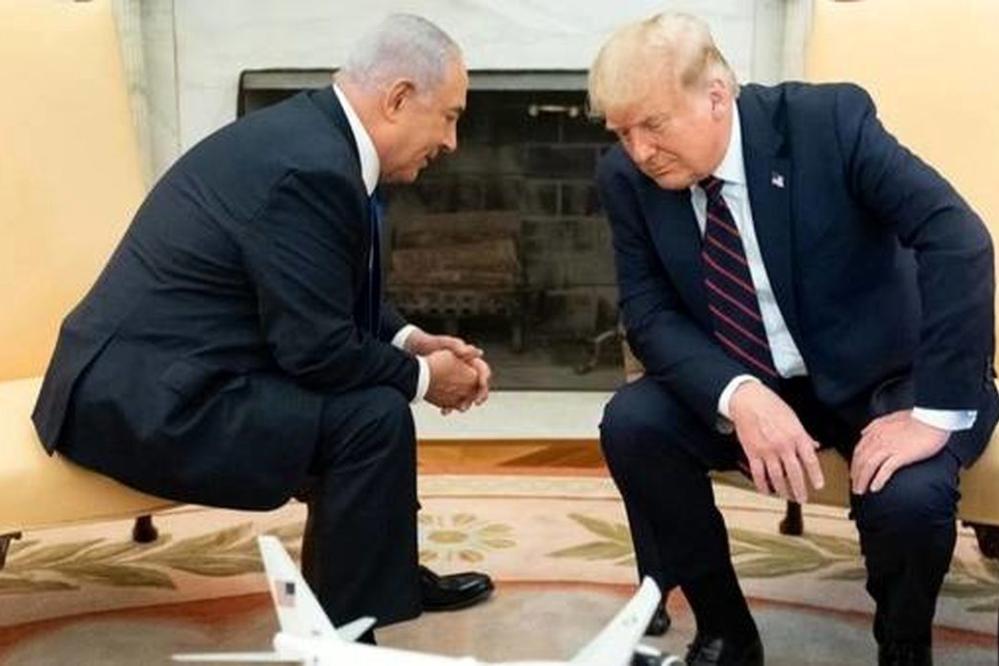
The same report described a legal dispute in Washington over whether Trump breached a deadline to seek congressional approval for the war, with administration officials arguing that the ceasefire pauses a 60-day limit after which congressional authorisation would be required, a claim disputed by opposition Democrats.
It also said that despite the ceasefire in the Gulf, fighting continued in Lebanon, where Israel carried out deadly strikes despite a separate truce with the Iran-backed armed group Hezbollah, with Lebanese state media reporting fresh strikes in the south on Saturday and Hezbollah claiming new attacks targeting Israeli troops.
In parallel, the New Indian Express reported that Trump said “At this moment I'm not satisfied with what they're offering,” and it described Iran’s military officer Mohammad Jafar Asadi saying a renewed conflict was “likely,” while also repeating Trump’s “we’re like pirates” line about the helicopter raid.
The New Indian Express also said Washington announced late Friday it had approved major arms sales to its allies in the Middle East, including a $4 billion Patriot missile deal with Qatar and nearly $1 billion in precision weapons systems to Israel.
The stakes were framed in terms of economic strain and the risk of renewed conflict, with Amir telling AFP that inflation had surged past 50% and that “We still have not seen much of the economic effects because everyone had a bit of savings.”
More on Iran
Iran Sends Seyed Abbas Araghchi to Pakistan, Oman, and Russia to Strengthen Deterrence
11 sources compared
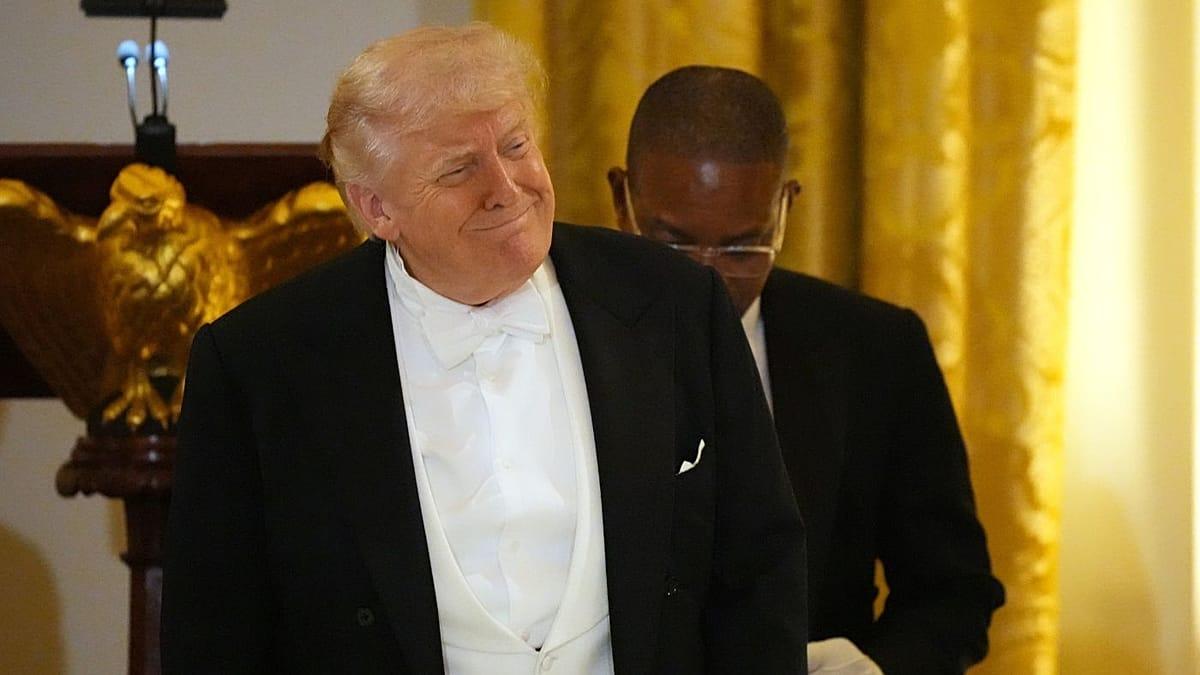
Trump Says Iran Hostilities Have Terminated as Germany Anticipates 5,000 Troop Withdrawal
21 sources compared

Trump Says U.S. Navy Is Like Pirates During Hormuz Blockade And Ship Seizure
44 sources compared

Donald Trump Tells Congress U.S. Hostilities With Iran Have Terminated After 60-Day War Powers Deadline
33 sources compared