
Trump Says U.S. Navy Is Like Pirates During Hormuz Blockade And Ship Seizure
Key Takeaways
- Trump announced the U.S. Navy seized an Iranian vessel and its oil.
- The blockade targets Iranian ports in the Strait of Hormuz.
- Trump called the actions 'like pirates' and described them as a profitable operation.
Trump’s “Pirates” Remark
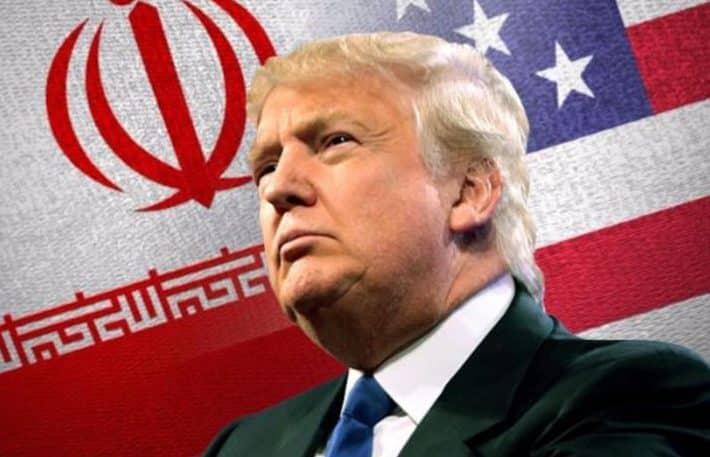
U.S. President Donald Trump compared the U.S. Navy to “pirates” while describing Washington’s naval blockade of Iranian ports and the seizure of an Iranian-linked ship during the U.S. and Israel’s war against Iran.
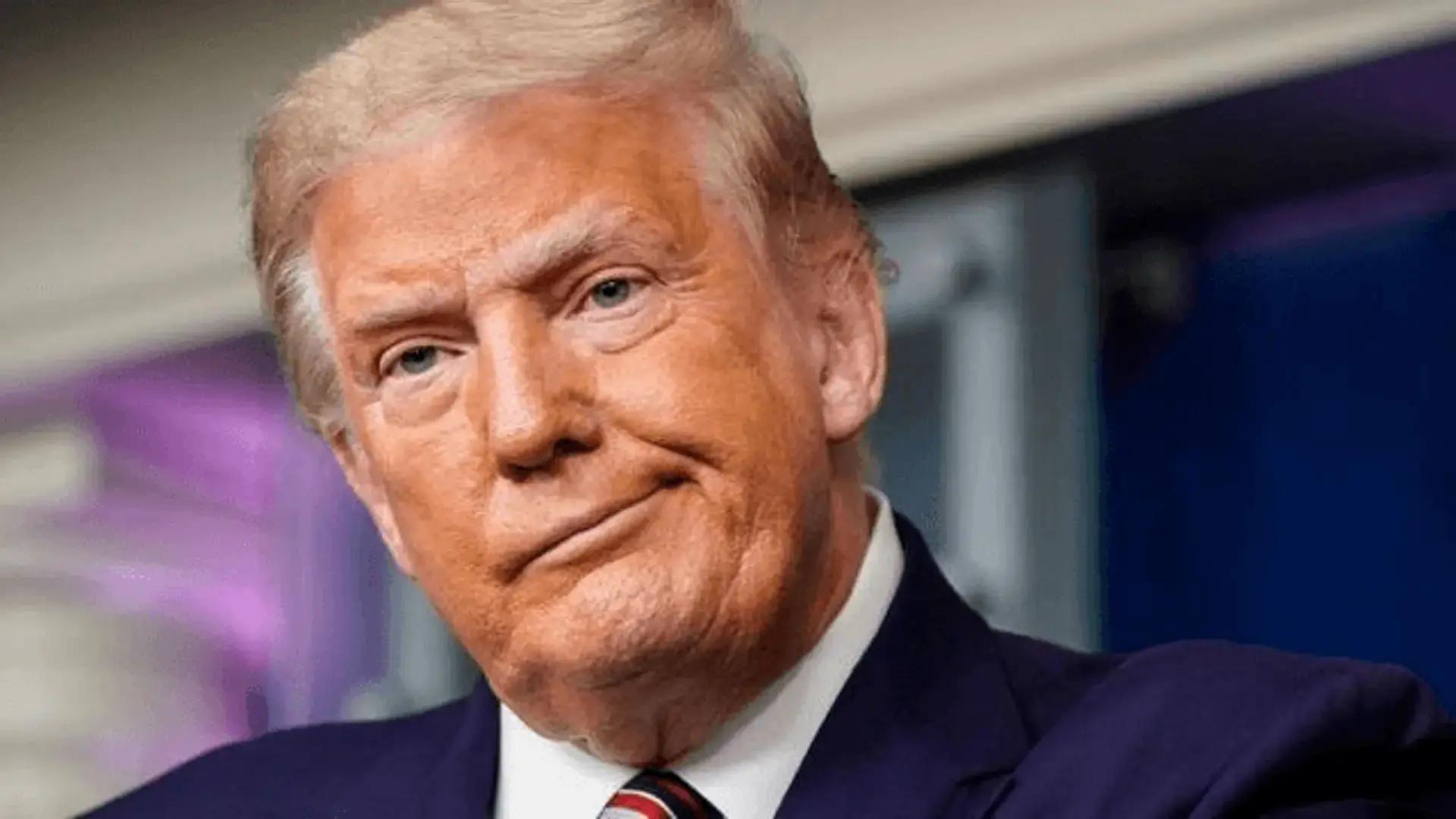
Speaking at a rally in Florida on Friday, Trump said, “We took over the ship, we took over the cargo, we took over the oil. It’s a very profitable business,” and added, “We’re like pirates. We’re sort of like pirates, but we are not playing games.”
The same remarks were repeated in multiple accounts, including Trump’s line that “We … land on top of it and we took over the ship. We took over the cargo, took over the oil. It’s a very profitable business,” and his follow-up, “We’re like pirates,” which came “to cheers from the crowd.”
The Guardian likewise quoted Trump saying, “We’re like pirates,” and “We’re sort of like pirates. But we’re not playing games.”
The Express Tribune reported that Trump made the comments while describing the seizure “of a ship a few days ago.”
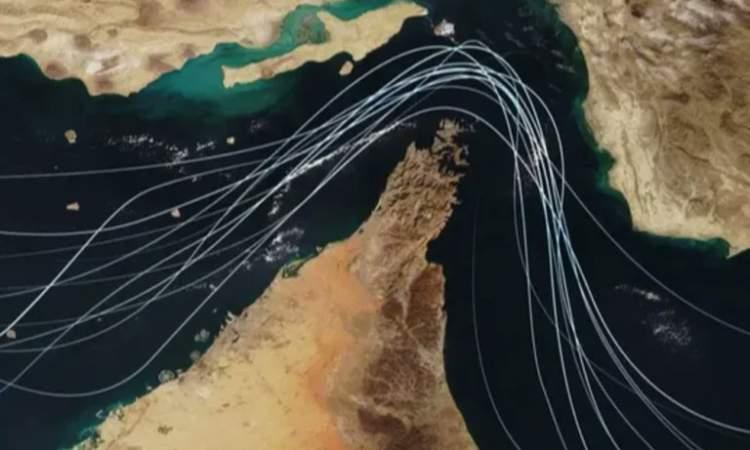
The remarks came as the Strait of Hormuz remained a central pressure point in the tit-for-tat maritime standoff described across the coverage.
Blockade, Seizures, and Numbers
The “pirates” comments landed amid a broader escalation over shipping through the Strait of Hormuz and over U.S. actions targeting Iranian ports.
Multiple outlets described how the U.S. seized Iranian vessels after they left Iranian ports, including “sanctioned cargo ships and Iranian tankers in Asian waters,” while Iran blocked nearly all ships passing through the strait apart from its own since the start of the war.
The Guardian reported that the U.S. Central Command said it had “redirected 45 vessels to ‘ensure compliance’ with its blockade as of Friday,” and it also cited Pentagon chief Pete Hegseth saying the blockade would last “as long as it takes.”
The same article quoted GenDan Caine saying the measure “applies to all ships, regardless of nationality, heading into or from Iranian ports.”
The Jerusalem Post added figures attributed to the U.S. Department of Defense and Axios, saying Iran had lost nearly five billion dollars in oil revenue and describing “31 tankers carrying 53 million barrels of Iranian oil” stuck in the Gulf of Oman.
Separately, the NDTV account said the Strait of Hormuz was “a chokepoint for almost 20% of the world’s shipments of liquefied natural gas and oil,” and it tied the blockade to increased oil prices globally.
Iran’s Response and Legal Claims
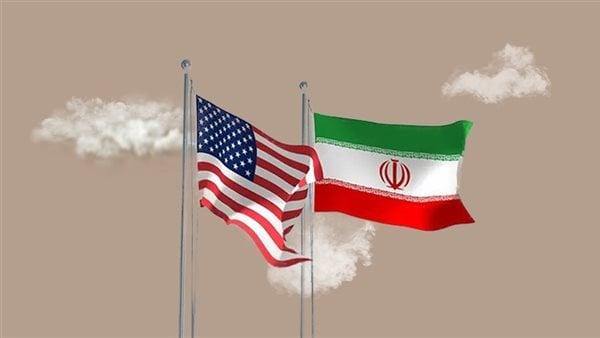
Iran’s response to the U.S. blockade and vessel seizures was framed in legal and rhetorical terms, with Iranian officials describing the interceptions as piracy and armed robbery.
NDTV reported that Iran reacted strongly on Tuesday, branding the move “armed robbery on the high seas” and accusing Washington of breaching international law, quoting Foreign Ministry spokesperson Esmaeil Baghaei as saying the operation effectively endorsed piracy.
In the same NDTV account, Baghaei described it as “the outright legalisation of piracy and armed robbery on the high seas,” and he wrote on X that “Welcome to the return of the pirates — only now, they operate with government-issued warrants, sail under official flags, and call their plunder “law enforcement.””
MehrNews similarly carried a statement from Iran’s Foreign Ministry spokesperson Ismail Baqai, saying the plundering of Iranian oil tankers is “American maritime piracy,” and it quoted Baqai’s claim that this action is “nothing but official legislation for maritime piracy and armed robbery in international waters.”
MehrNews also quoted Baqai saying, “This means a return to the era of pirates controlling the seas!” and it added Baqai’s point that “the difference is that now they operate under government provisions, sail under an official banner, and call their looting operations by the name
law enforcement.
The reporting ties Iran’s condemnation directly to the U.S. seizure and detention actions described in the same coverage.
Escalation, Negotiations, and Threats
Beyond the immediate seizure episode, the coverage links the maritime dispute to the broader U.S.-Iran conflict and to the status of peace proposals.
The Express Tribune reported that a senior Iranian military official said renewed conflict with the U.S. is “possible” after Donald Trump rejected the latest peace proposal from Tehran, quoting Brig Gen Mohammad Jafar Asadi as saying, “Evidence has shown that the United States is not committed to any promises or agreements,” and adding, “Surprise measures are planned for the enemy, beyond their imagination.”
POLITICO.eu reported that a senior Iranian military official said on Saturday that a return to war was “likely,” citing the semi-official Iranian news agency Fars, and it quoted Mohammad Jafar Asadi saying, “U.S. officials' actions and statements are largely media-oriented, aimed first at preventing a drop in oil prices and second at escaping the predicament they have created for themselves.”
The Express Tribune described Iran’s official stance on navigation through the Strait of Hormuz, quoting Tasnim as saying, “the IRGC (Revolutionary Guards) Navy will make this water area a source of livelihood and power for the dear Iranian people and a source of security and prosperity for the region.”
It also tied the escalation to attacks on February 28, saying “The US and Israel attacked Iran on February 28,” and that Iran responded with strikes on Israel and the Gulf states that host U.S. bases.
The Times of India added that Trump said the U.S. carried out military action against Iran’s nuclear programme to ensure Israel and the Gulf region were protected, quoting Trump: “Because we have to take a little journey down to a beautiful country known as Iran, and we have to make sure that they don't have a nuclear weapon.”
Stakes: Oil, Sanctions, and Timing
The reporting repeatedly returns to the stakes of the Hormuz standoff, describing both the energy impact and the legal pressure on shipping companies.
The Express Tribune said the war “has raised oil prices and led to the blockade of the Strait of Hormuz,” describing it as “a chokepoint for about 20% of global oil and liquefied natural gas shipments.”
POLITICO.eu added that the remarks came as the U.S. Office of Foreign Assets Control warned shipping companies they could face sanctions for paying tolls to Iran to safely pass through the Strait of Hormuz.
The Guardian similarly described legal concerns, noting that “legal experts raise alarms about Iran’s blockade of the vital strait of Hormuz and its plans to charge a fee for ships passing through it.”
The Times of India said Trump’s remarks came as a U.S. naval blockade of the strait entered “its third week,” and it quoted Iranian President Masoud Pezeshkian describing the pressure on ports as “intolerable.”
Across the coverage, the stakes are presented as immediate—redirected vessels, seized ships, and sanctions risk—and longer-term, with the blockade’s duration described as “as long as it takes.”
More on Iran
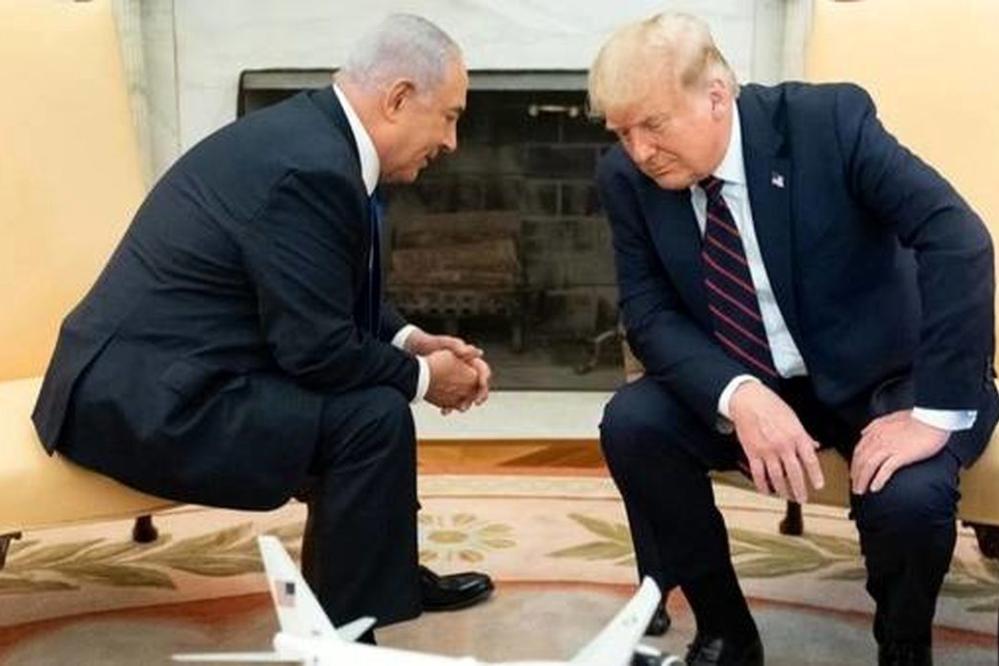
Iran Sends Seyed Abbas Araghchi to Pakistan, Oman, and Russia to Strengthen Deterrence
11 sources compared
Iran Delivers New Draft to Pakistan as Mohammad Jafar Asadi Says US War Likely Restart
12 sources compared
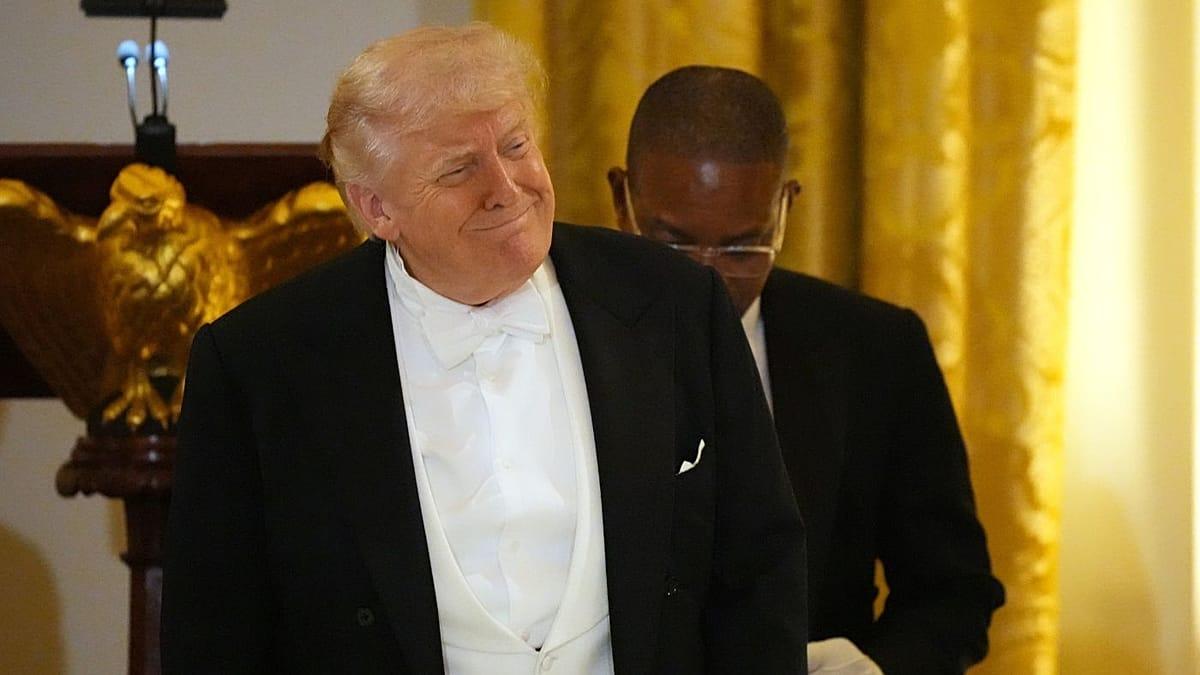
Trump Says Iran Hostilities Have Terminated as Germany Anticipates 5,000 Troop Withdrawal
21 sources compared

Donald Trump Tells Congress U.S. Hostilities With Iran Have Terminated After 60-Day War Powers Deadline
33 sources compared