
Donald Trump Tells Congress U.S. Hostilities With Iran Have Terminated After 60-Day War Powers Deadline
Key Takeaways
- Trump informs Congress that US hostilities with Iran have terminated.
- White House says ongoing ceasefire means no congressional authorization is needed.
- Friday marks the 60-day War Powers deadline for Iran operations.
Ceasefire, Deadline, Letters
President Donald Trump told congressional leaders in letters on Friday that U.S. hostilities with Iran have “terminated,” even as the conflict reached a 60-day milestone under the 1973 War Powers Resolution.
The AP reported that the White House asserted to Congress in a letter that hostilities with Iran have “terminated” despite the continued presence of U.S. armed forces in the region.
Reuters and other outlets in the set describe the same core claim using Trump’s wording that “The hostilities that began on February 28, 2026, have terminated.”
BBC likewise said Trump argued he did not need to meet a deadline for legislative approval because the ceasefire agreed with Iran “had paused the clock on any such obligation.”
CBS News framed the moment as a “critical phase” in which the law’s limits and ambiguities were being tested “in real time.”
In the same reporting, the CBS account said the 60-day clock was triggered by the president’s notification to lawmakers on March 2 and reached its deadline on Friday.
The Hill added that Trump formally notified Congress “on March 2 about U.S. military operations against the country,” which made Friday the 60-day mark.
Across the coverage, the letters were addressed to House Speaker Mike Johnson, R-La., and GOP Sen. Chuck Grassley, R-Iowa, with Trump writing “There has been no exchange of fire between the United States Forces and Iran since April 7, 2026.”
War Powers Dispute
The dispute centers on how the War Powers Resolution should apply to the Iran conflict after a ceasefire.
AP said the War Powers Resolution of 1973 requires Congress to declare war or authorize the use of force within 60 days, noting that Friday was the deadline and that Congress “made no attempt at enforcing that requirement.”

BBC described the legal mechanics as requiring a president to receive Congress' approval within 60 days of notifying lawmakers of military action, or else cease hostilities.
CBS News similarly said the president must notify Congress within 48 hours and terminate hostilities within 60 days unless lawmakers approve an extension.
The Hill reported that the War Powers Act gives the president 60 days of military action to respond to an “imminent threat” before having to end the fighting or receive a vote from Congress, and it also described a possible 30-day extension for “the safe withdrawal of troops.”
Defense Secretary Pete Hegseth argued that the ceasefire stopped the clock, telling the Senate Armed Services Committee that “We are in a ceasefire right now, which our understanding means the 60-day clock pauses or stops in a ceasefire.”
BBC included a Georgetown University Law professor, Heather Brandon-Smith, who said “A ceasefire is not a permanent end to the conflict,” and that “To my mind, a permanent end to the conflict is what would actually sort of close up the 60 days.”
In the set, Trump also argued publicly that the War Powers Resolution is unconstitutional, saying “It’s never been used. It’s never been adhered to. And every other president considered it totally unconstitutional.”
Reactions in Congress
Reactions in Congress split between lawmakers who accept Trump’s ceasefire-based interpretation and those who say the statute would not support it.
BBC reported that Democratic Senator Tim Kaine responded to Hegseth by saying, “I do not believe the statute would support that.”
CBS News echoed Kaine’s position, quoting him that the 60-day deadline “pose a really important legal question for the administration.”
The Hill added that Senate Democrats had tried six times to pass resolutions to halt U.S. military operations against Iran without approval, and it said the most recent vote on Thursday failed 47 to 50.
The Hill also described Sen. Susan Collins as voting for the first time with Democrats on Thursday to halt the war, with Collins saying in a statement that “the 60-day deadline is “not a suggestion, it is a requirement.”
The Hill further reported that Sen. John Curtis expressed concern about the war continuing beyond 60 days without congressional approval, and it quoted Curtis saying the 60-day mark requires “decisionmaking from both the administration and Congress, “and that can happen in league with one another, not in conflict.”
AP said some GOP senators were growing uneasy about the war’s timeline and quoted Sen. Kevin Cramer saying he would vote for an authorization of war if Trump asked for it, while also questioning whether the Vietnam-era resolution was constitutional.
CNBC added a sharper Democratic critique, quoting Schumer on X: “This is an illegal war and every day Republicans remain complicit and allow it to continue is another day lives are endangered, chaos erupts, and prices increase, all while Americans foot the bill,” while also describing Trump’s claim as a “volley” aimed at discouraging lawmakers.
Ceasefire vs. Ongoing Pressure
Even as Trump asserted that hostilities have “terminated,” multiple reports in the set describe continued U.S. actions that lawmakers and others view as inconsistent with a full end to the conflict.
CBS News said that despite the ceasefire, the administration has enforced a naval blockade on Iranian ports, which is considered an act of war, and it said the U.S. has threatened to imminently restart strikes.
The Hill similarly described the U.S. as imposing a blockade on Iranian oil tankers and commercial ships to pressure Iran, and it said Iran is threatening to attack ships that transit the strait without coordination, imposing tolls on some ships.
BBC reported that the key shipping channel is still effectively closed, causing economic impacts around the world, and it said the U.S. Treasury issued a notice warning that any individual or company that pays Iran a “toll” for passage through the Strait of Hormuz was at risk of violating U.S. sanctions.
NBC News added that Trump said he doesn’t need congressional authorization for the Iran conflict, and it tied the broader posture to a maintained blockade on Iranian ports enforced by U.S. naval forces since April 13.
Vox’s alternative framing in the set argued that the ceasefire-based claim does not match the continued blockade, stating that “a US naval blockade of the Strait of Hormuz is still in place.”
BBC also included Trump’s own remarks about negotiations and options, saying he told reporters “We just had a conversation with Iran. Let's see what happens. But, I would say that I am not happy.”
In the same BBC account, Trump said he was briefed with options by U.S. Central Command on Thursday, ranging from “blast the hell out of them and finish them forever” to “make a deal.”
What Happens Next
The reporting set portrays the immediate next steps as a mix of legal maneuvering, continued negotiations, and ongoing military and economic pressure.
“Trump says deadline for Congress to approve Iran war doesn’t apply: Hostilities have ‘terminated’ Trump says deadline for Congress to approve Iran war doesn’t apply: Hostilities have ‘terminated’ WASHINGTON (AP) — The White House asserted to Congress in a letter Friday that hostilities with Iran have “terminated” despite the continued presence of U”
AP said the letter “effectively skirts a May 1 legal deadline” to gain approval from members of Congress to continue the war with Iran, and it described that the Republican debate over the war’s timeline included some GOP senators growing uneasy.
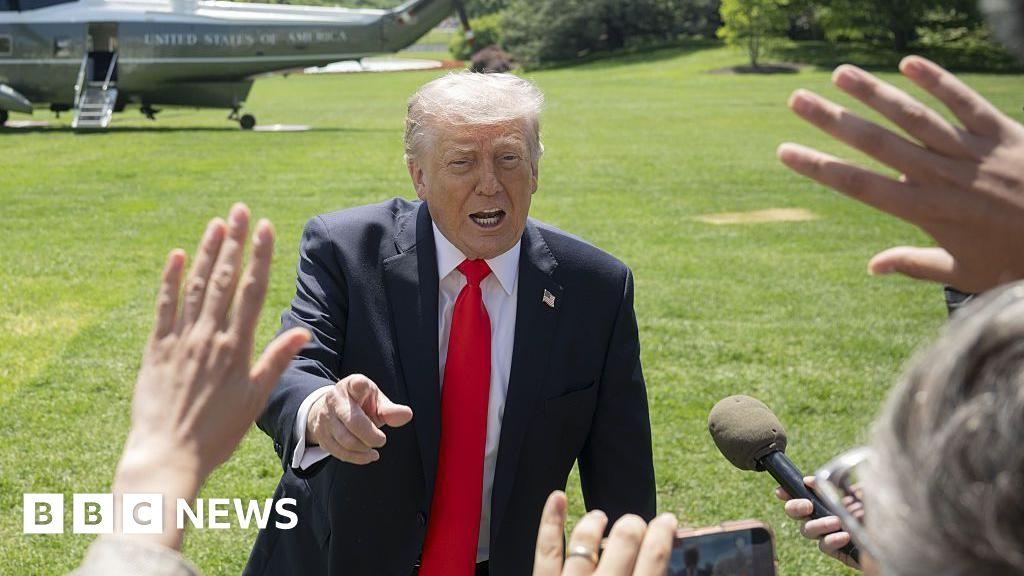
BBC said Iranian media reported a new proposal from Tehran sent via Pakistan on Friday, citing IRNA, while also noting that the news agency did not publish details and it was unclear if the proposal reached the U.S.
CNBC reported that Trump said he is not satisfied with Iran’s latest proposal, quoting him: “Iran wants to make a deal, but I'm not satisfied with it,” and it added that Trump said “They're asking for things that I can't agree.”
CNN’s set entry in the provided material said Trump told CNN before departing for Florida that he was not satisfied with Iran’s latest proposal and quoted him framing options as “go and just blast the hell out of them and finish them forever? Or do we want to try and make a deal?”
The Hill described that Democrats have repeatedly tried to pass resolutions requiring withdrawal or formal authorization, and it said the most recent vote failed 47 to 50, while also noting that House Speaker Mike Johnson said he would be “very reluctant to get in front of the administration in the midst of these very sensitive negotiations.”
NBC News added that Trump repeated his argument against seeking authorization and also said “You know, they don't like the word war,” as he argued about legal problems.
Meanwhile, AP said Trump’s letter also contended that the deadlines set by the law do not apply because the war effectively ended when a ceasefire began in early April, even as Trump insisted “the threat posed by Iran to the United States and our Armed Forces remains significant.”
More on Iran
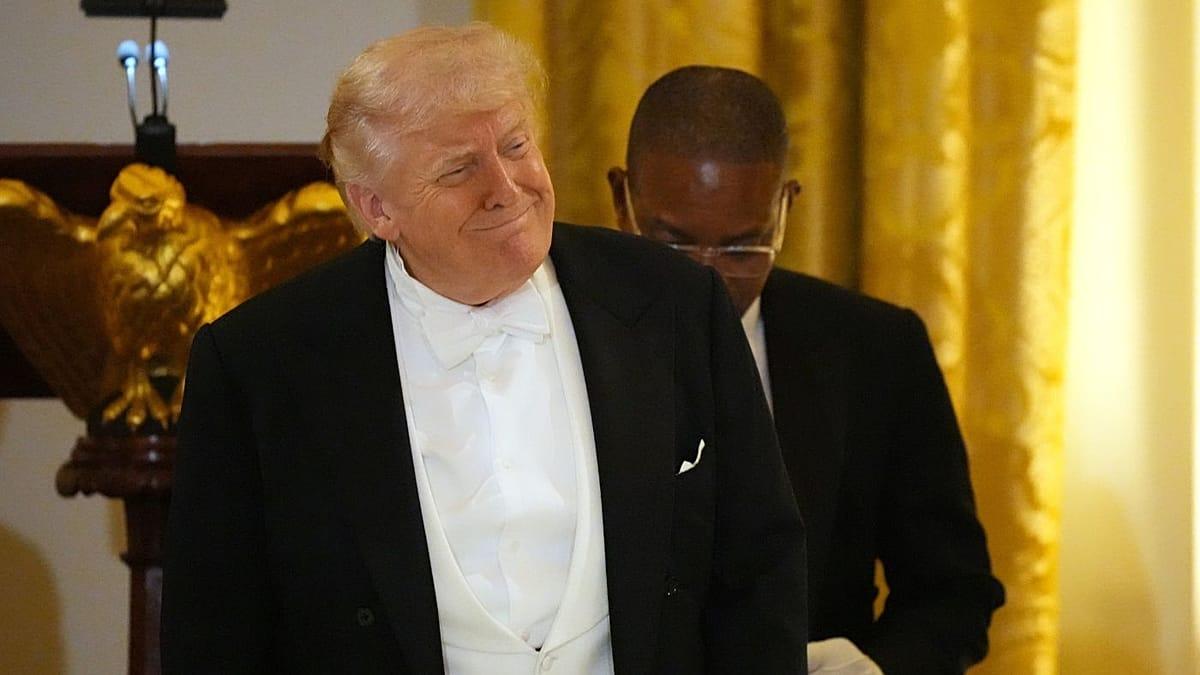
Trump Says Iran Hostilities Have Terminated as Germany Anticipates 5,000 Troop Withdrawal
21 sources compared
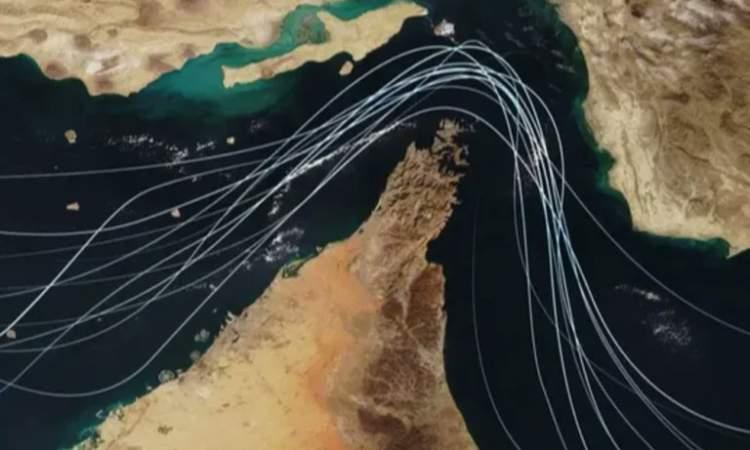
Donald Trump Says US Navy Seized Oil Cargo Like Pirates During Iran Blockade
24 sources compared

U.S. Rebuilds Logistics Supply Chain After Ceasefire, Boosts CENTCOM Airlift From Ramstein
12 sources compared
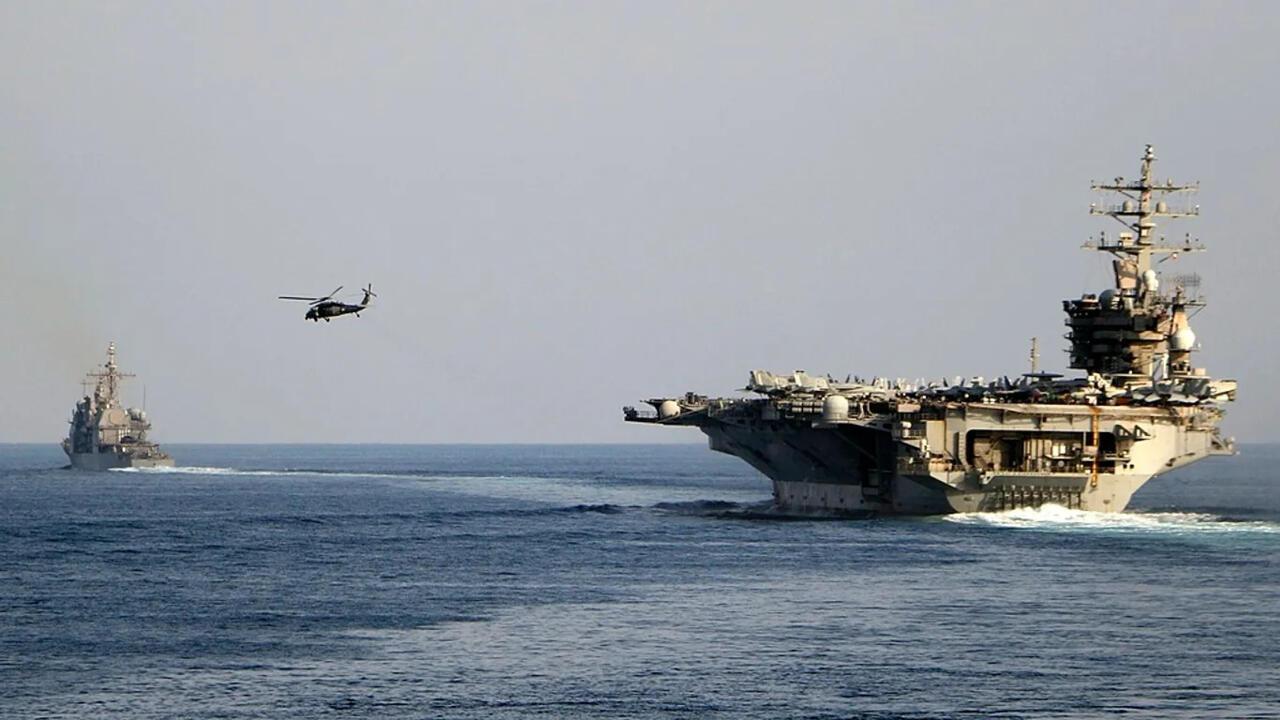
Ayatollah Seyyed Mojtaba Khamenei Orders New Legal Rules for Strait of Hormuz Amid US Blockade
18 sources compared